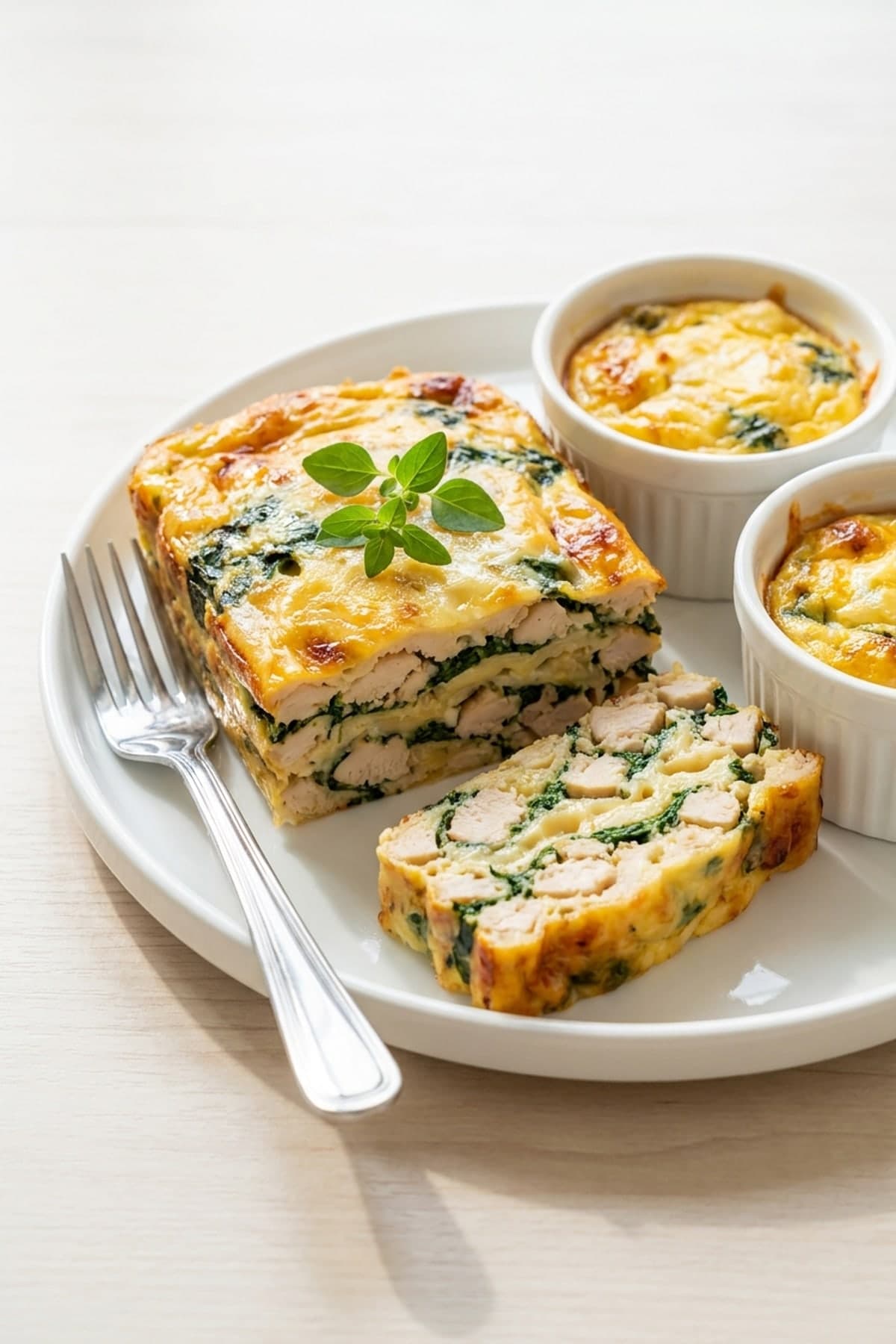
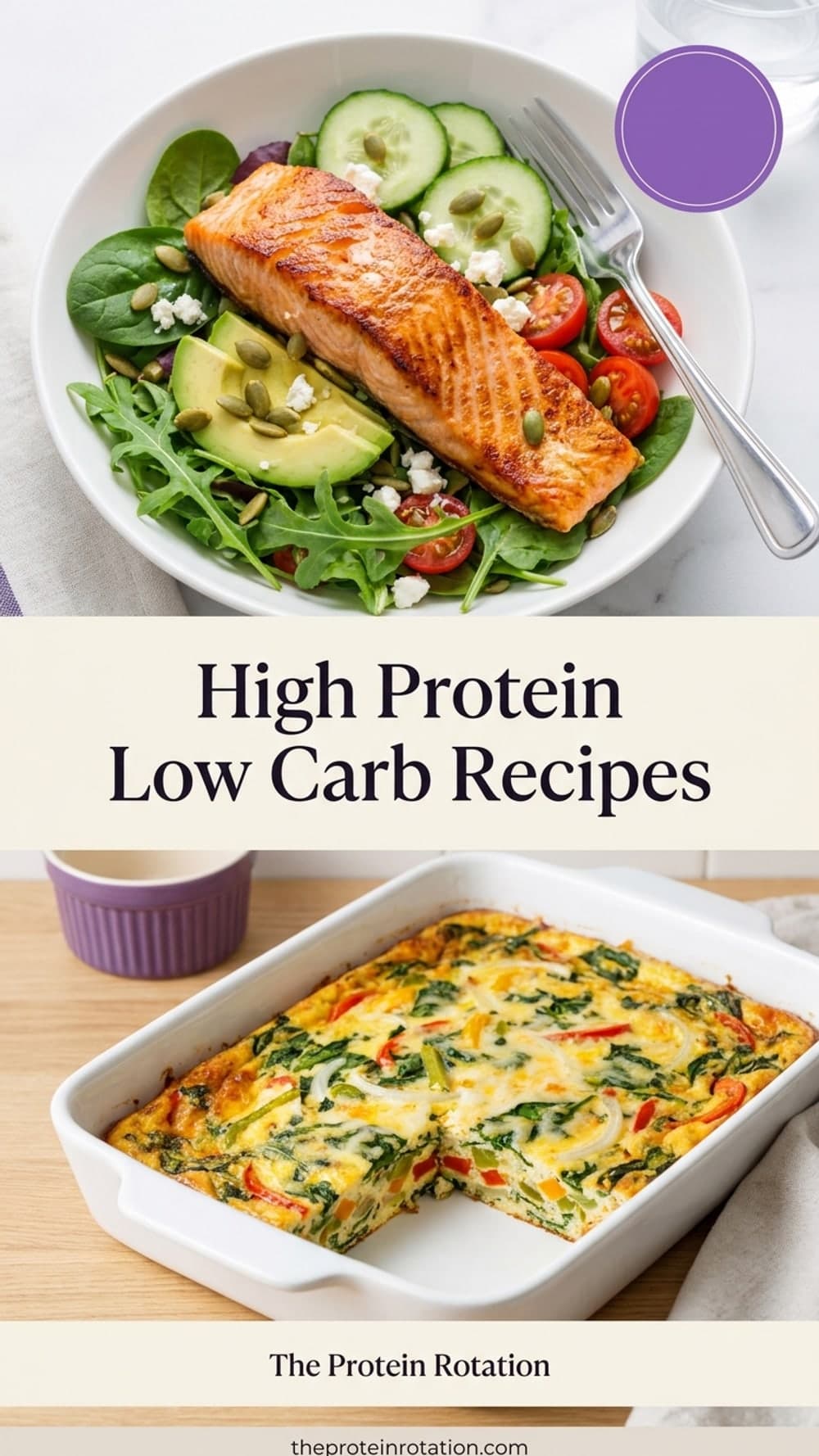
High Protein Low Carb Recipes: 31 With Both Numbers
High protein low carb recipes work best when the plate starts with a measured protein portion, then adds vegetables, sauces, and fats with intention. This collection is structured as a planning guide for 31 dishes, but published nutrition figures require ingredient weights and a verified calculation. No nutrition evidence was supplied here, so protein and carbohydrate grams are not stated as facts. Instead, each entry names the portion variables needed before those figures can be listed accurately.
Use the format to build a protein-forward rotation, then calculate each finished recipe from the exact ingredients you choose.
15 recipes in this roundup
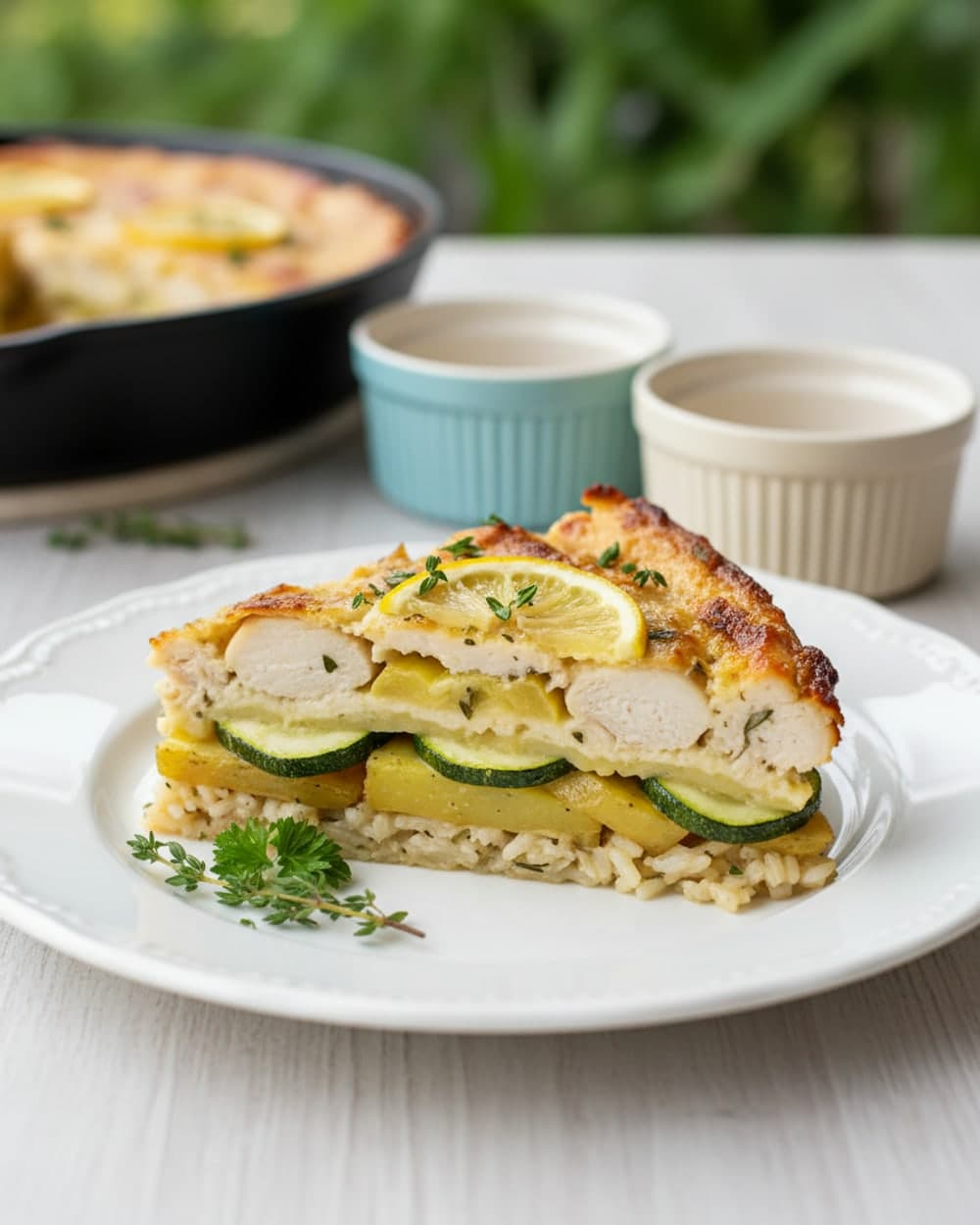
Lemon Chicken Skillet
Use weighed chicken breast, zucchini, lemon juice, olive oil, and herbs. Record the raw chicken weight, cooked yield, and every measured sauce ingredient before calculating. Divide the finished pan by equal portions rather than estimating from plates. This format gives a bright dinner template, but its protein grams and carbohydrate grams must stay unlisted until a verified nutrient calculation is attached. Choose plain yogurt or cream separately, because their amounts change both totals materially.
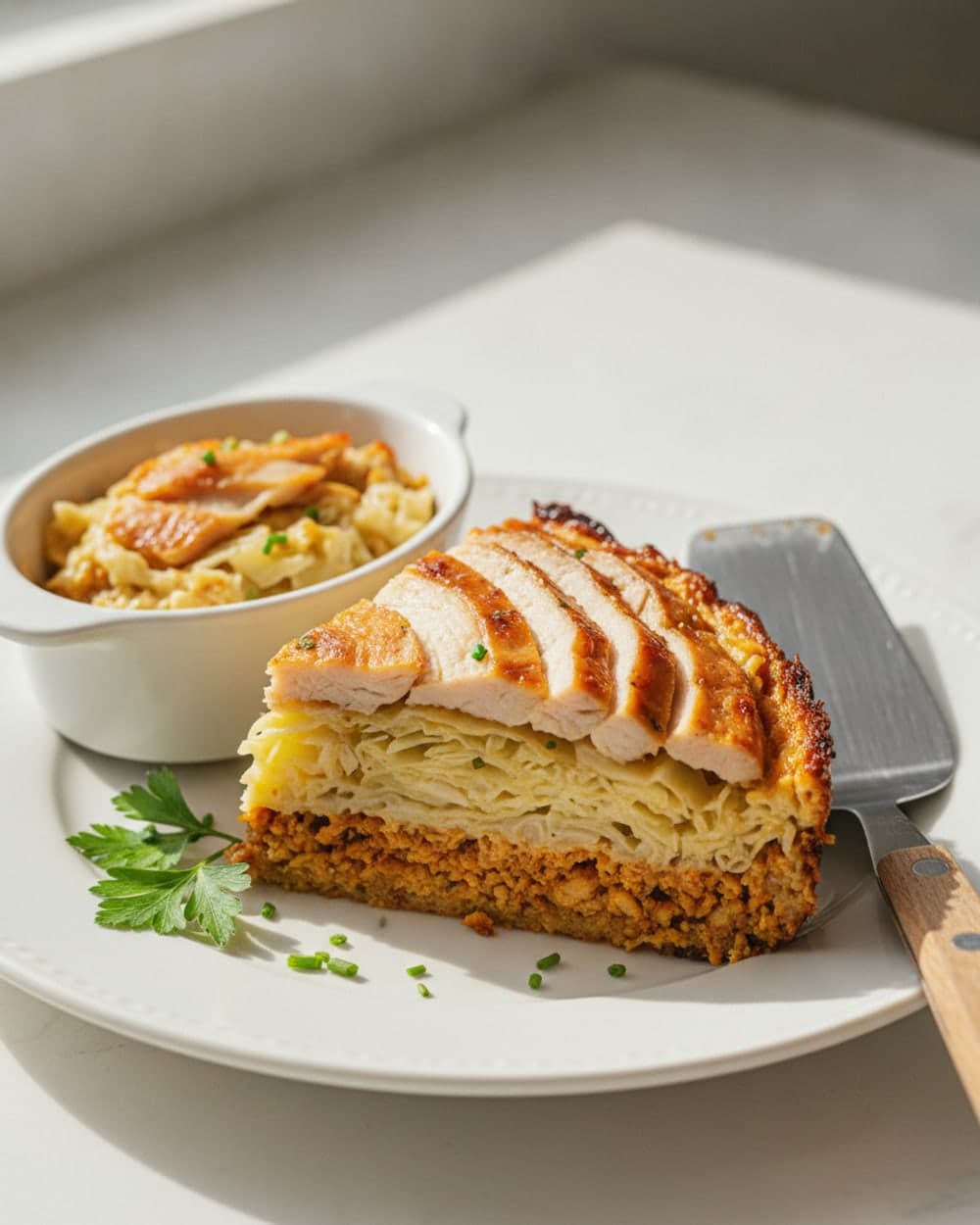
Turkey Cabbage Skillet
Brown weighed ground turkey with shredded cabbage, onion, garlic, and tomato paste. Note the turkey leanness, oil amount, and final portion count, since each shifts the eventual calculation. Keep rice, beans, or tortillas outside the base pan when lower carbohydrates are the goal. The skillet stays flexible for lunches, while protein grams and carbohydrate grams await verified ingredient data. Add pickled jalapeños or mustard for sharper flavor without changing the basic cooking plan.
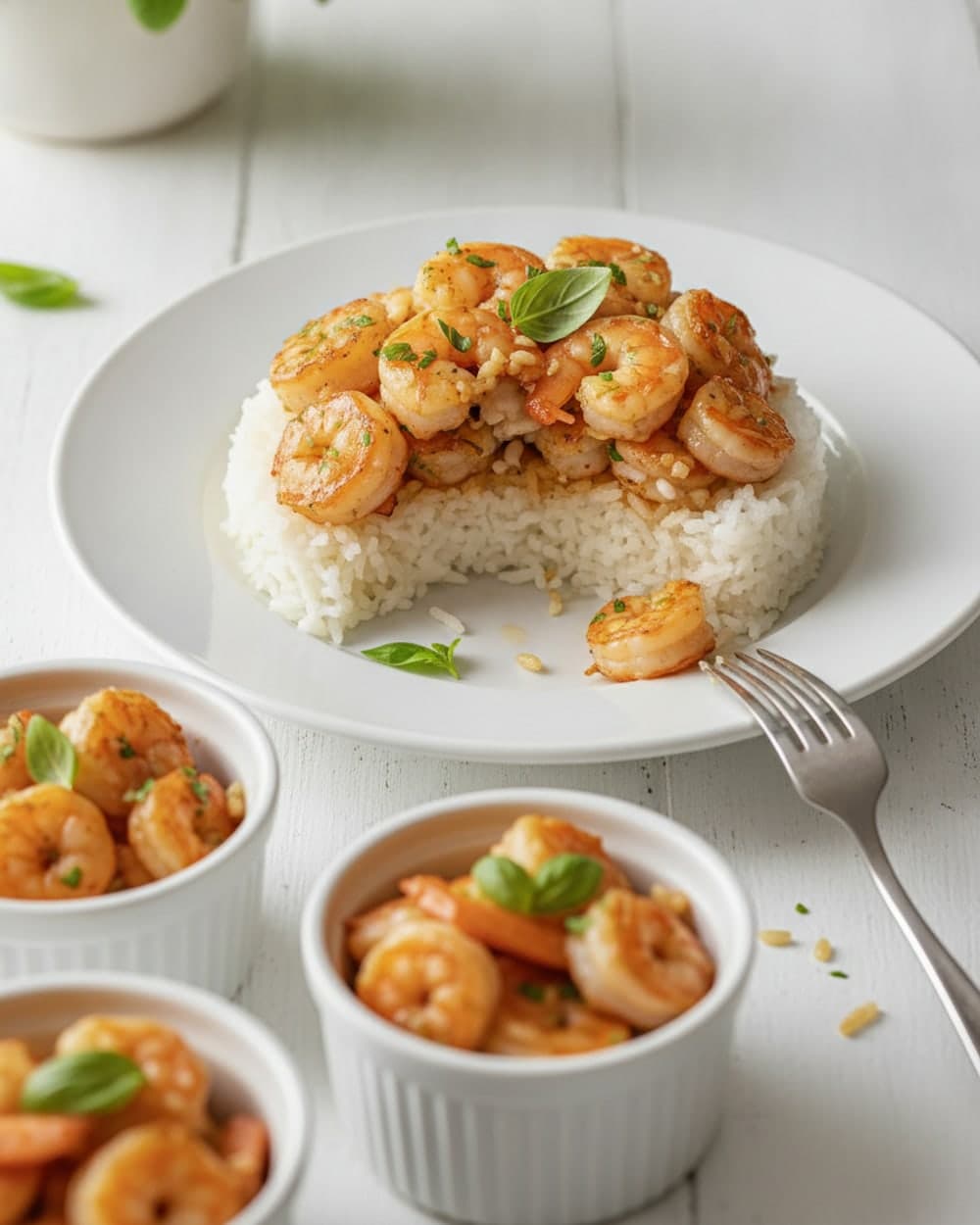
Garlic Shrimp Bowls
Portion peeled shrimp by weight, then pair them with cauliflower rice, spinach, garlic, and butter. Measure butter and any creamy finish rather than relying on a spoonful estimate. Keep the bowl’s base consistent across portions so the calculation has a clear serving divisor. Shrimp cooks quickly, making this a practical dinner framework for a busy rotation. Protein grams and carbohydrate grams belong on the card only after verified ingredient entries are available.
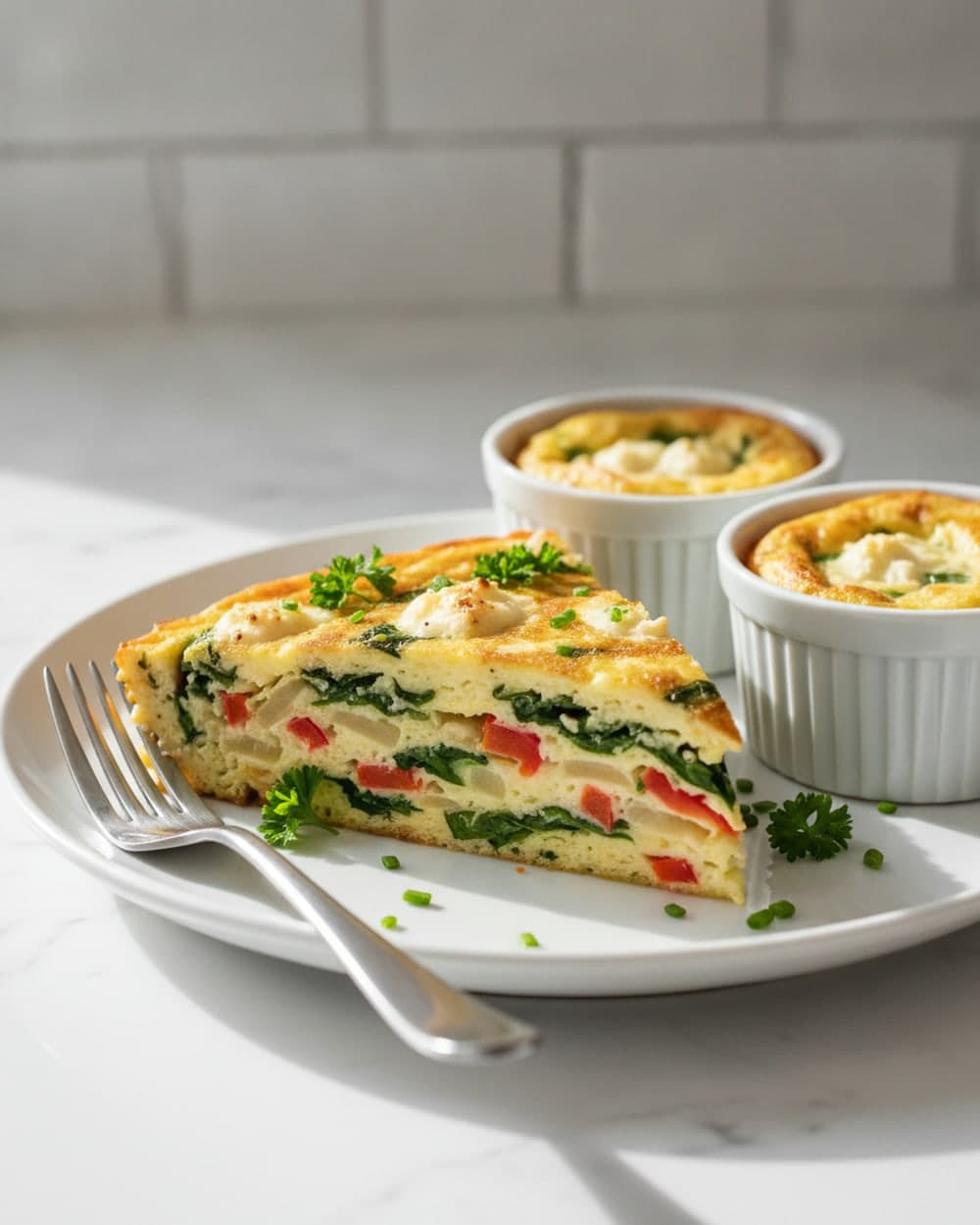
Egg White Frittata
Build this around weighed whole eggs, egg whites, cottage cheese, spinach, and roasted peppers. Record whether the cottage cheese is full fat or reduced fat, because that choice affects the result. Bake in a marked dish, then divide it into equal squares for consistent portions. A frittata fits breakfast prep or a quick dinner with a crisp salad. List protein grams and carbohydrate grams only after verified data covers every measured ingredient used.
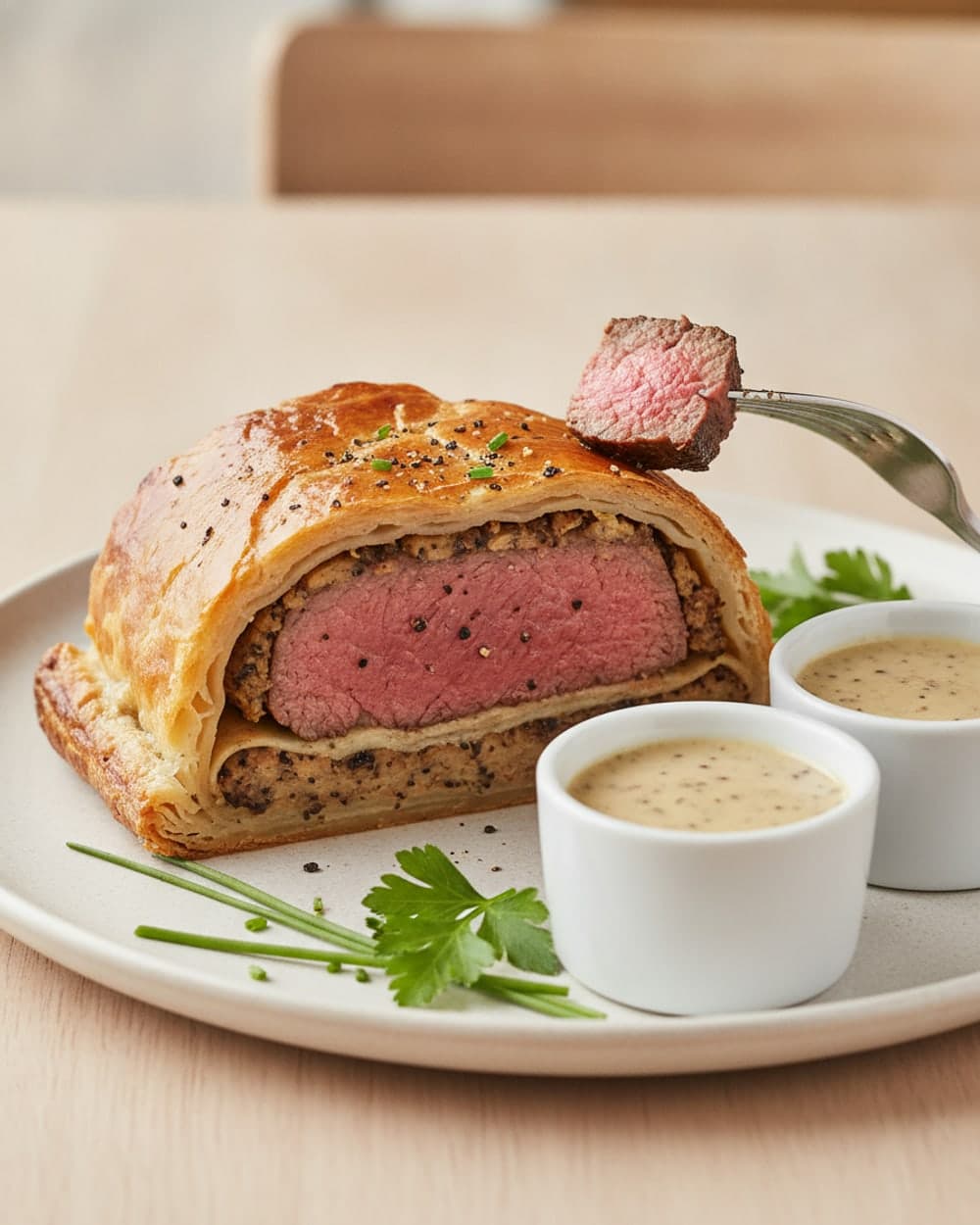
Steak Pepper Plates
Start with weighed sirloin, sliced bell peppers, mushrooms, olive oil, and a measured pan sauce. Keep the steak trim and cooking fat documented, because both affect the final nutrient entry. Serve vegetables from the same skillet by weight instead of eyeballing a pile beside each steak. This structure works when dinner needs direct flavors and minimal components. Protein grams and carbohydrate grams require verified ingredient data before they can appear beside the recipe.
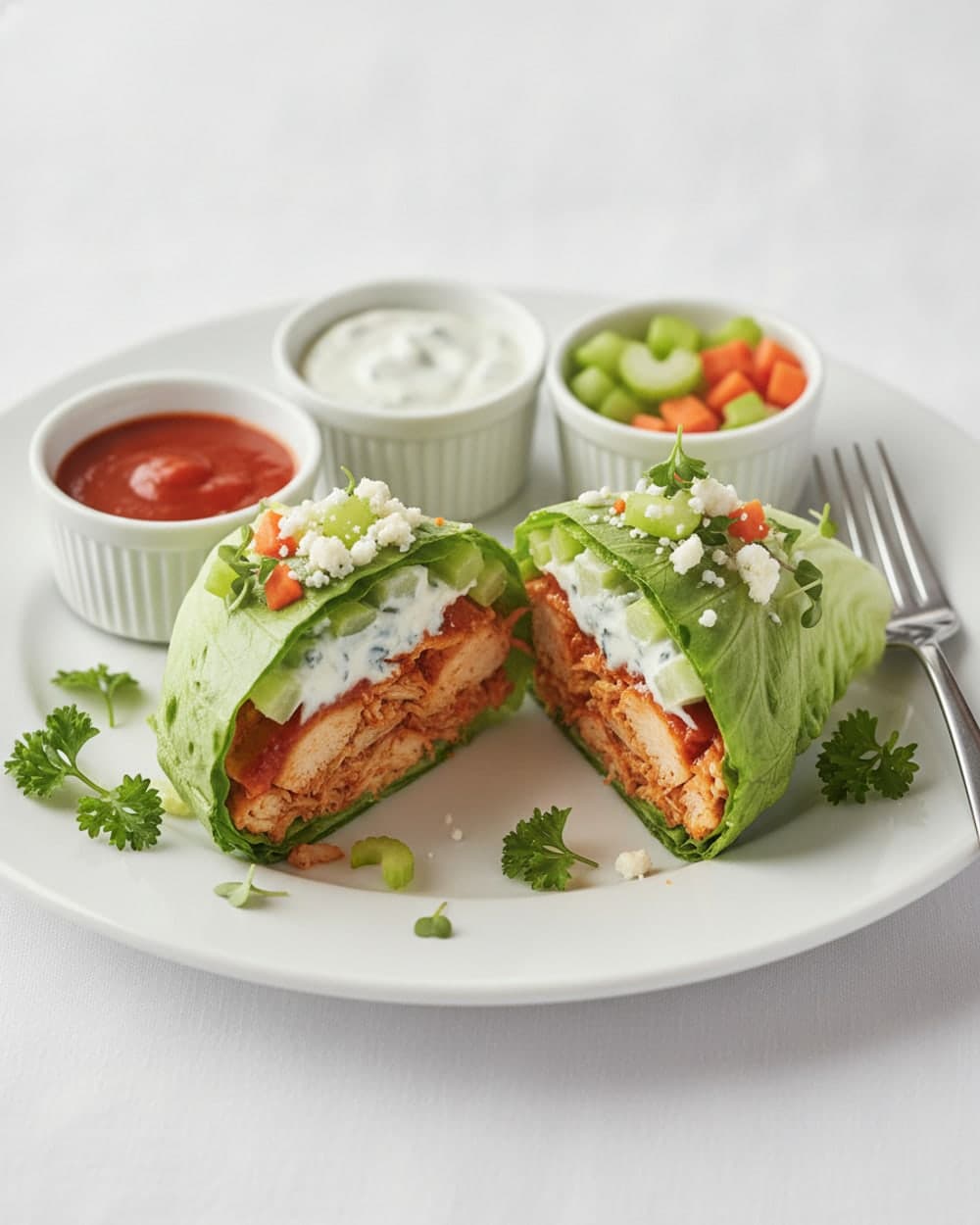
Buffalo Chicken Lettuce Cups
Use weighed cooked chicken, hot sauce, celery, mayonnaise, and lettuce leaves for the base. Record the mayonnaise amount and chicken cut, since those choices change totals more than the seasonings. Keep toppings in separate bowls when portions need individual tracking. These cups bring heat and crunch without requiring a grain-based carrier. Publish protein grams and carbohydrate grams only after every ingredient, including garnish quantities, has verified nutrition data on file beforehand.
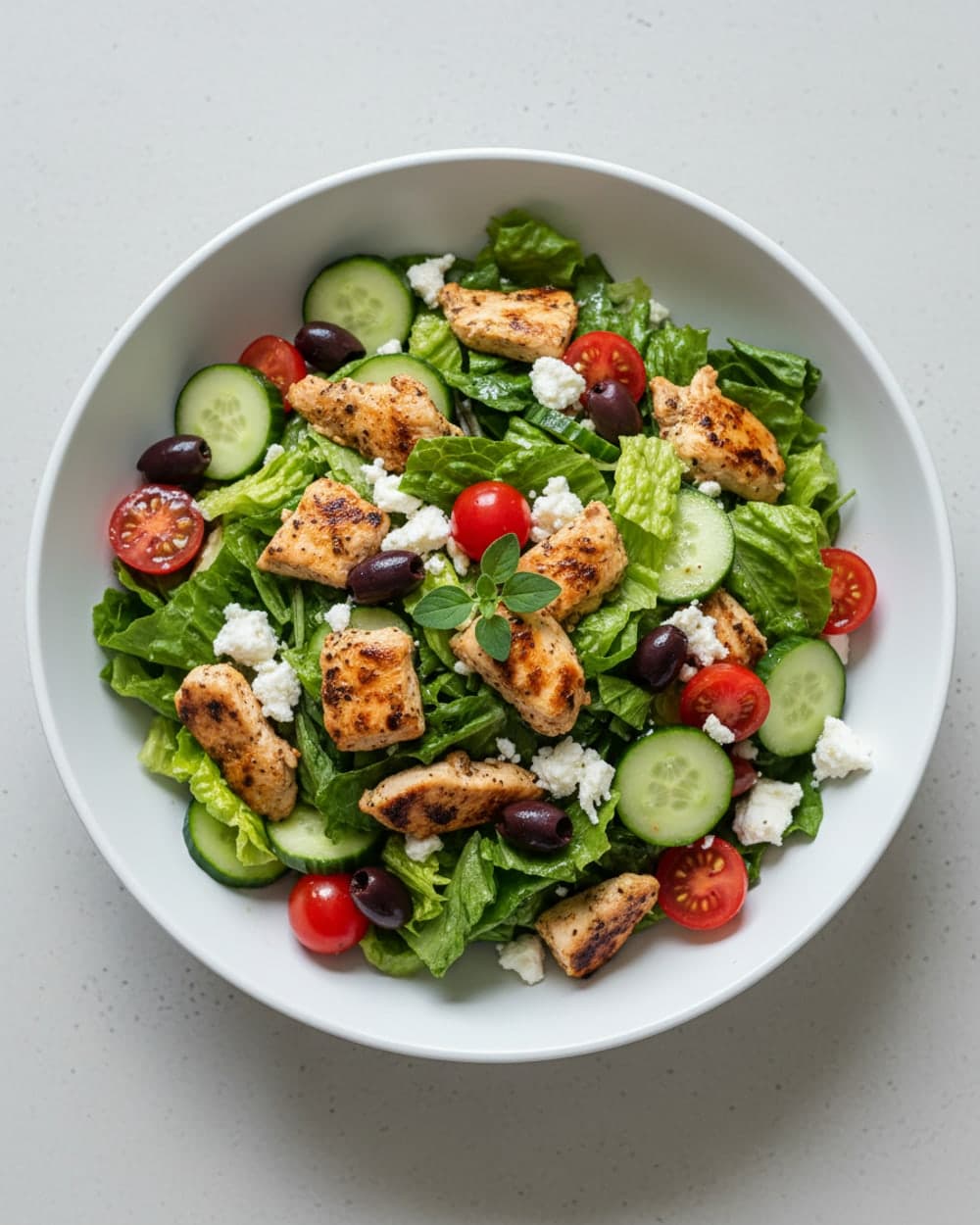
Greek Chicken Salad
Combine weighed chicken breast with cucumber, tomatoes, olives, feta, and a measured vinaigrette. Treat feta and oil as recorded ingredients, not finishing details, because small amounts can shift the calculation. Portion the salad after tossing so each container receives dressing and toppings evenly. It offers a cold lunch framework with bold acid, salt, and herbs. Protein grams and carbohydrate grams can be listed once verified data and the final yield are documented.
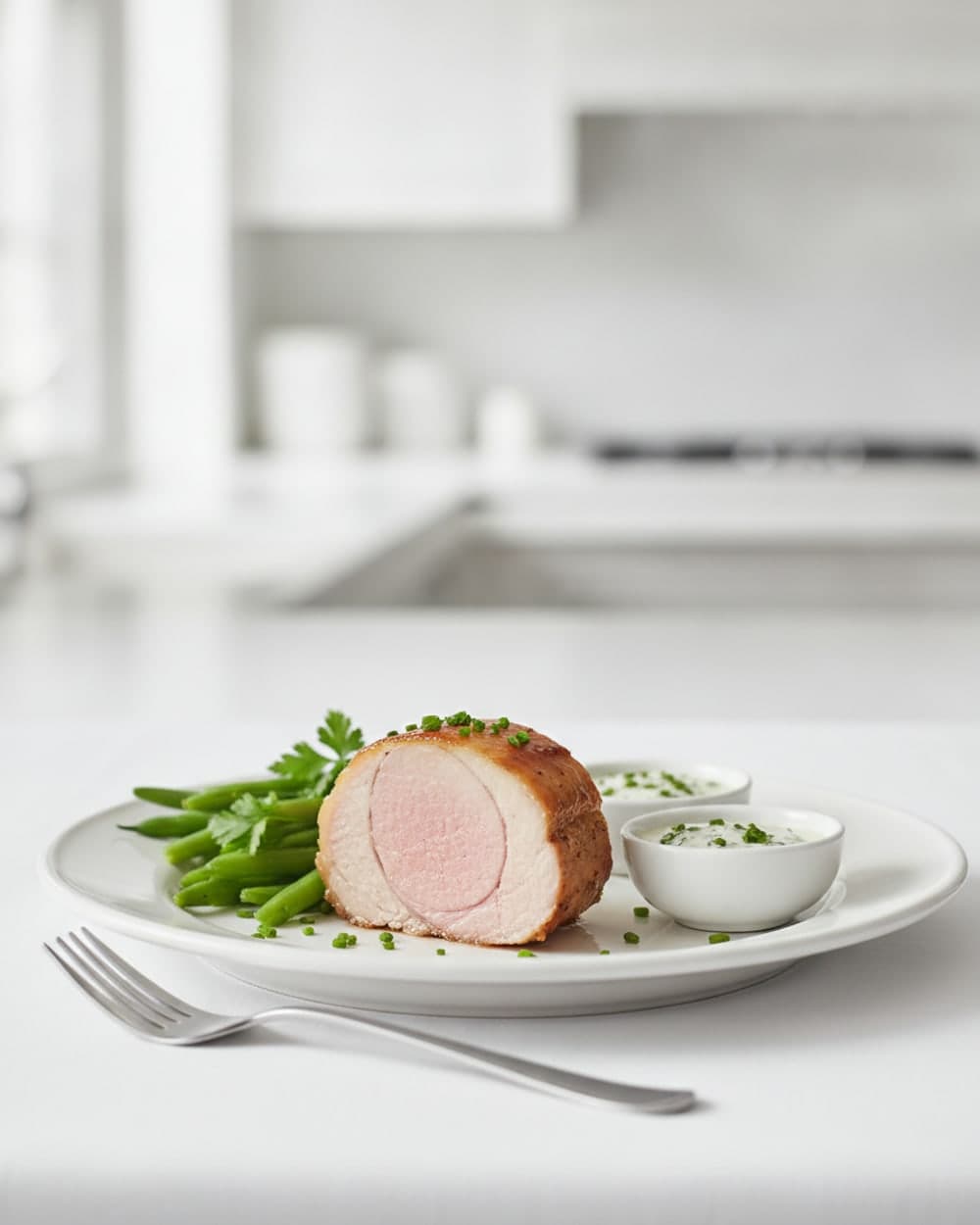
Pork Tenderloin Green Beans
Pair weighed pork tenderloin with green beans, garlic, lemon, and measured olive oil. Keep any glaze separate until its ingredients and amount are recorded for calculation. Slice the rested pork, then divide meat and vegetables by weight across plates. The plate has a simple savory profile that leaves room for a different sauce each week. Protein grams and carbohydrate grams remain pending until verified nutrition data covers the full ingredient list used.
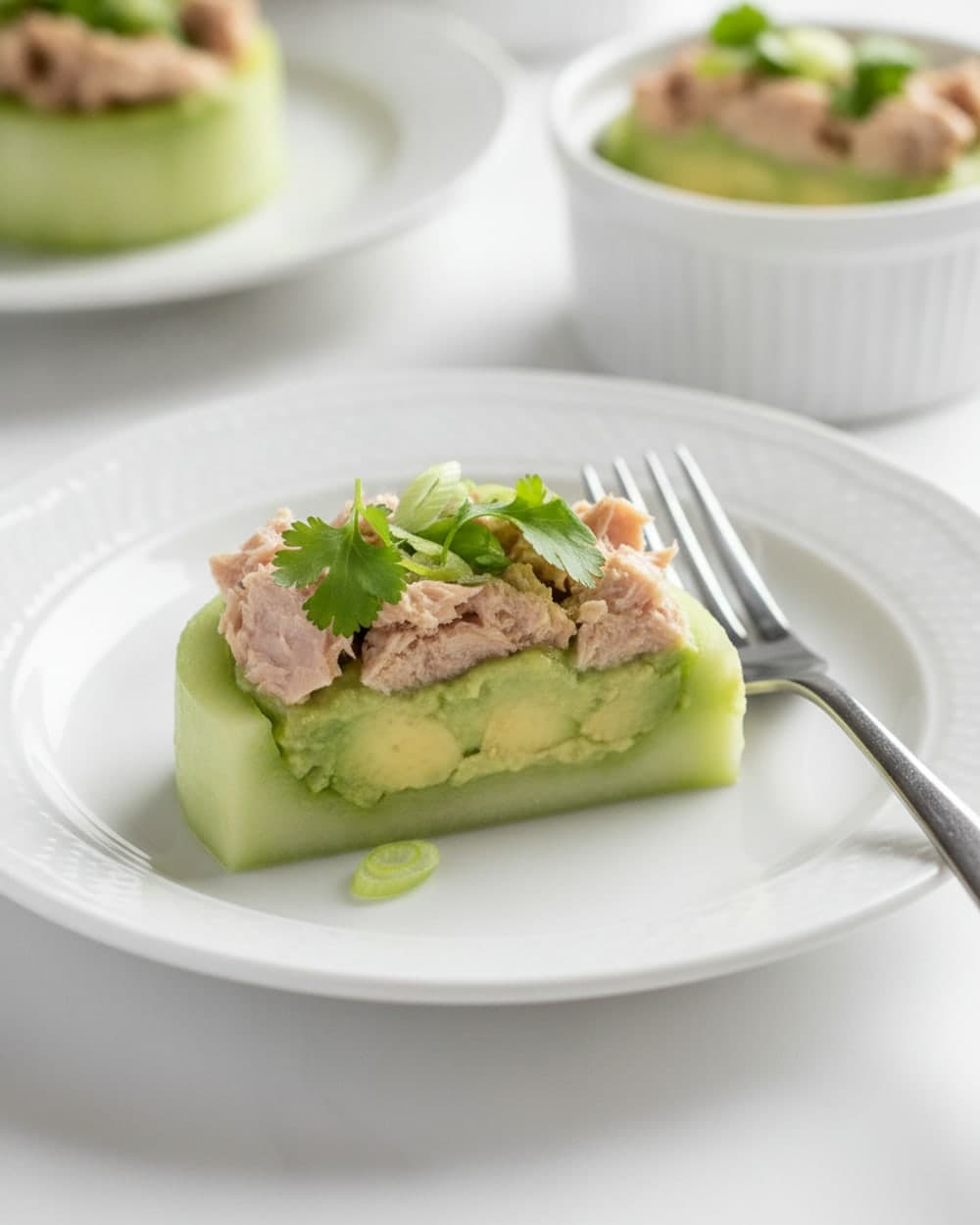
Tuna Avocado Cucumber Boats
Mix weighed tuna with avocado, celery, lemon, herbs, and a measured binding ingredient. Note the tuna packing liquid and drained weight, because labels vary by product format. Spoon the mixture into cucumber halves after weighing the finished filling. This is a useful no-cook lunch structure when crisp vegetables need to carry the meal. Protein grams and carbohydrate grams should wait for verified entries covering the selected tuna and binder amounts too.
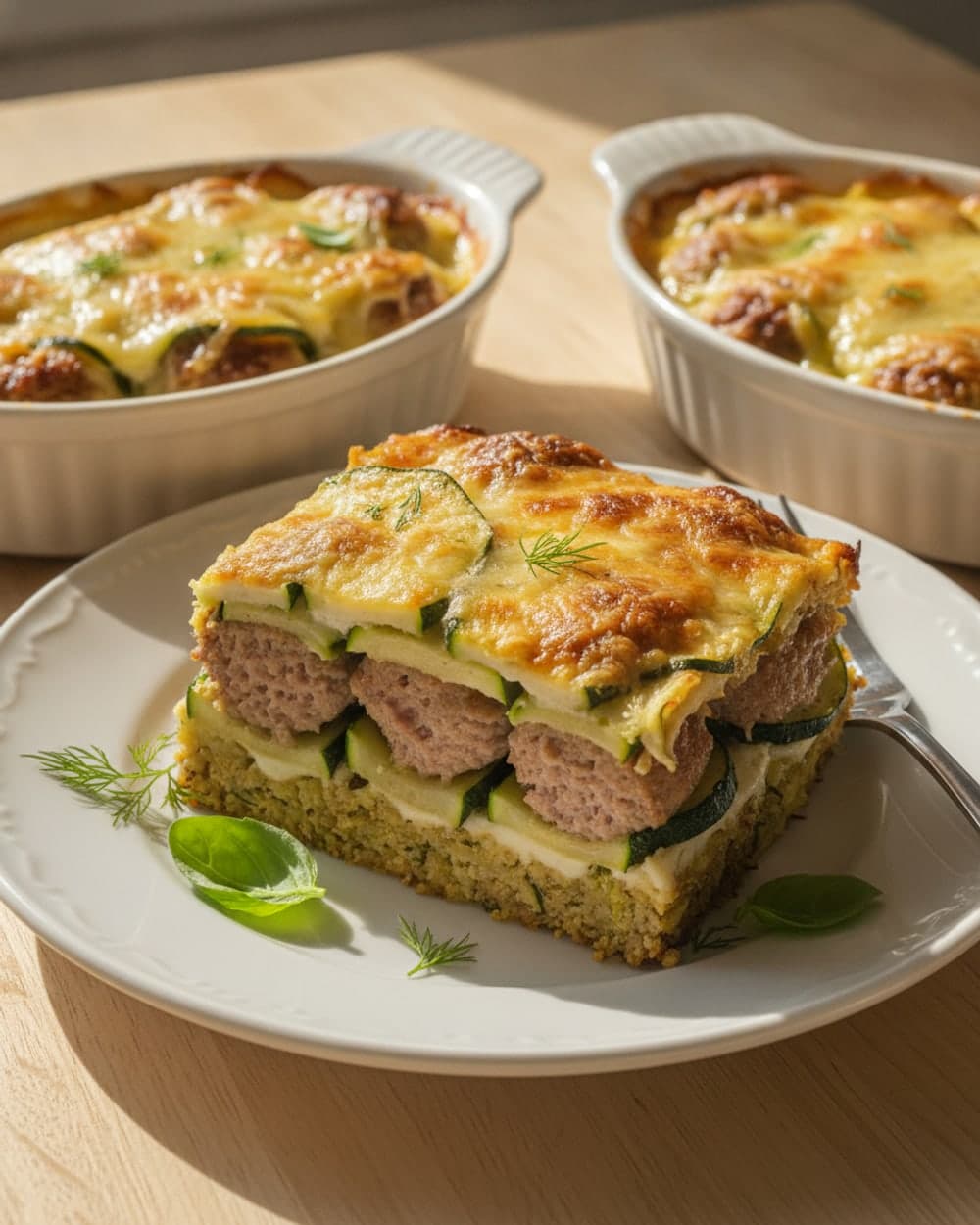
Turkey Meatball Zucchini Bake
Form weighed ground turkey into meatballs with zucchini, egg, parmesan, and herbs. Record the turkey leanness, cheese weight, and whether sauce is included before calculating. Bake the mixture in one dish, then portion by total finished weight for cleaner divisions. The combination suits a dinner rotation that needs familiar seasoning and a vegetable base. Protein grams and carbohydrate grams cannot be confirmed without verified nutrition data for each chosen ingredient in use.
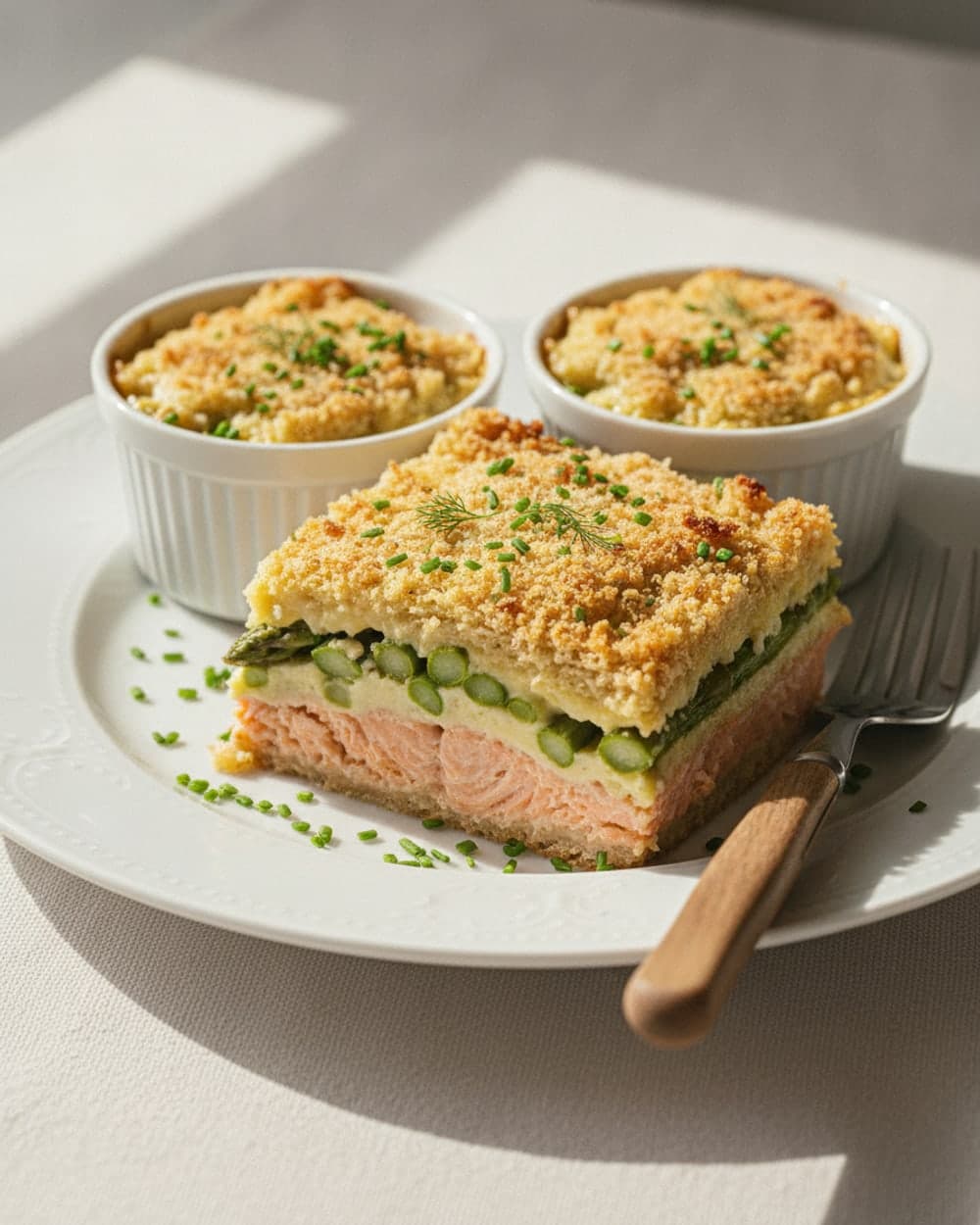
Salmon Asparagus Tray
Arrange weighed salmon fillets with asparagus, lemon, dill, and a measured amount of oil. Choose one salmon portion size before cooking so the final plates follow the recorded plan. Add nuts, cheese, or a creamy sauce only when their weights are captured. A tray format limits cleanup and keeps the main flavors clear. Protein grams and carbohydrate grams need verified nutrition data for the fish, vegetables, oil, and any finish used here.
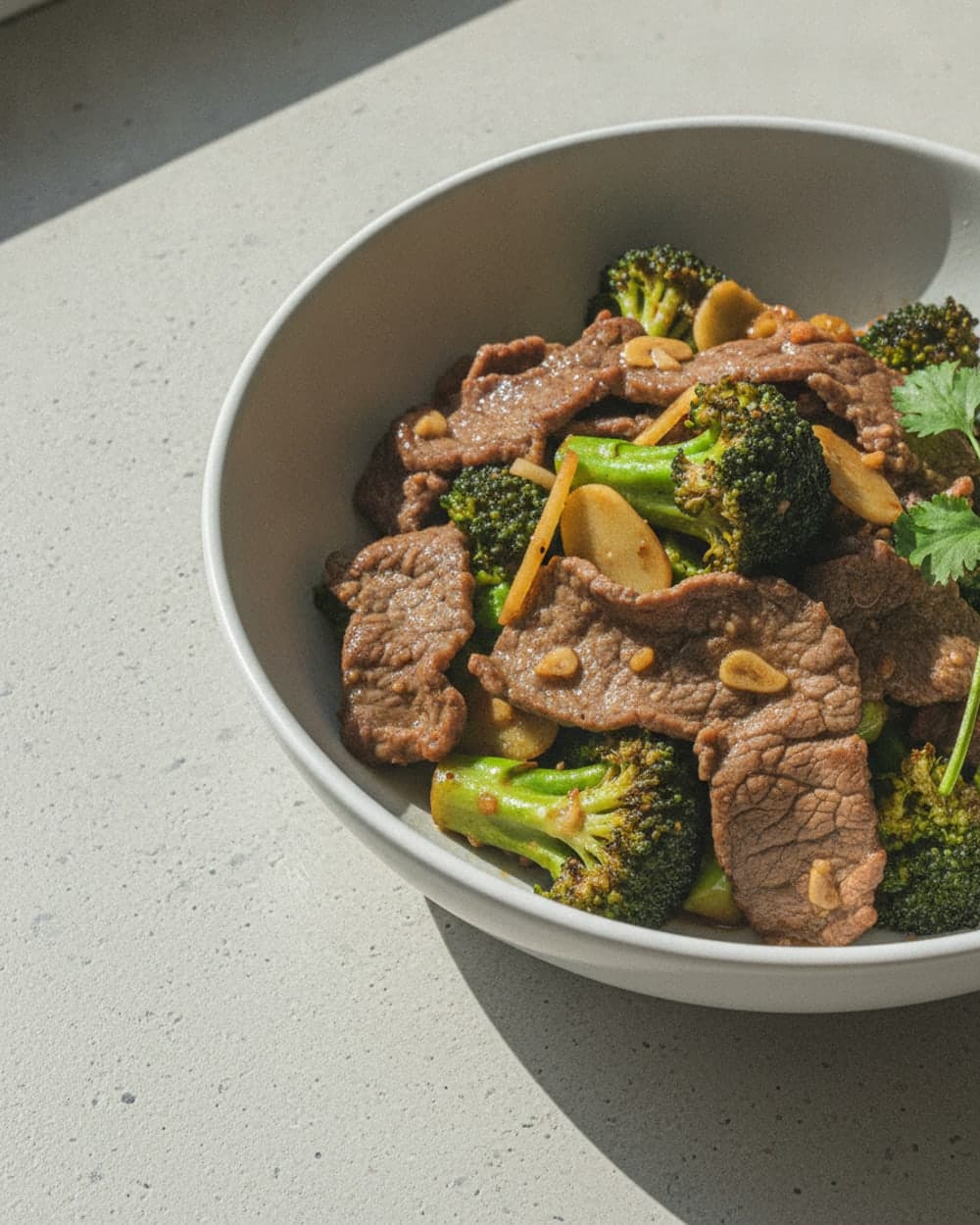
Beef Broccoli Stir Fry
Slice weighed beef with broccoli, ginger, garlic, tamari, and a measured cooking oil. Account for the sauce volume and any sweetener before assigning nutrition figures. Cook components in batches if needed, then combine them before dividing finished portions. The method brings quick heat and savory depth while keeping the ingredient list short. Protein grams and carbohydrate grams remain unverified until complete ingredient data is calculated from the selected foods used today.
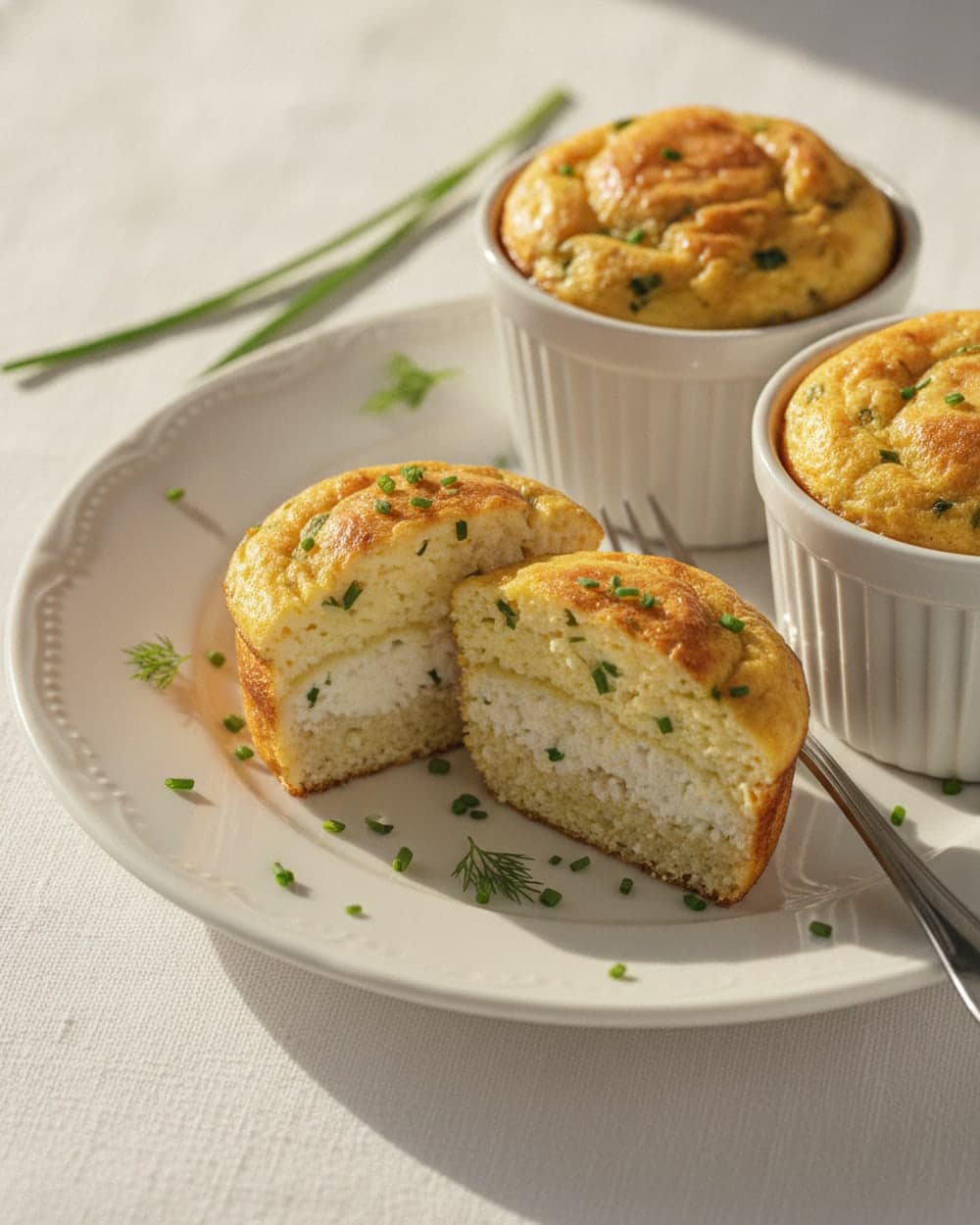
Cottage Cheese Egg Muffins
Whisk weighed eggs with cottage cheese, chopped spinach, cheddar, and diced peppers. Record the egg size, cheese type, and muffin count before dividing the batch. Bake in a standard pan so each portion has a consistent shape and practical packing size. These muffins give breakfast a savory direction without a bread component. Protein grams and carbohydrate grams need verified nutrient entries for every ingredient before publication on the final recipe card.
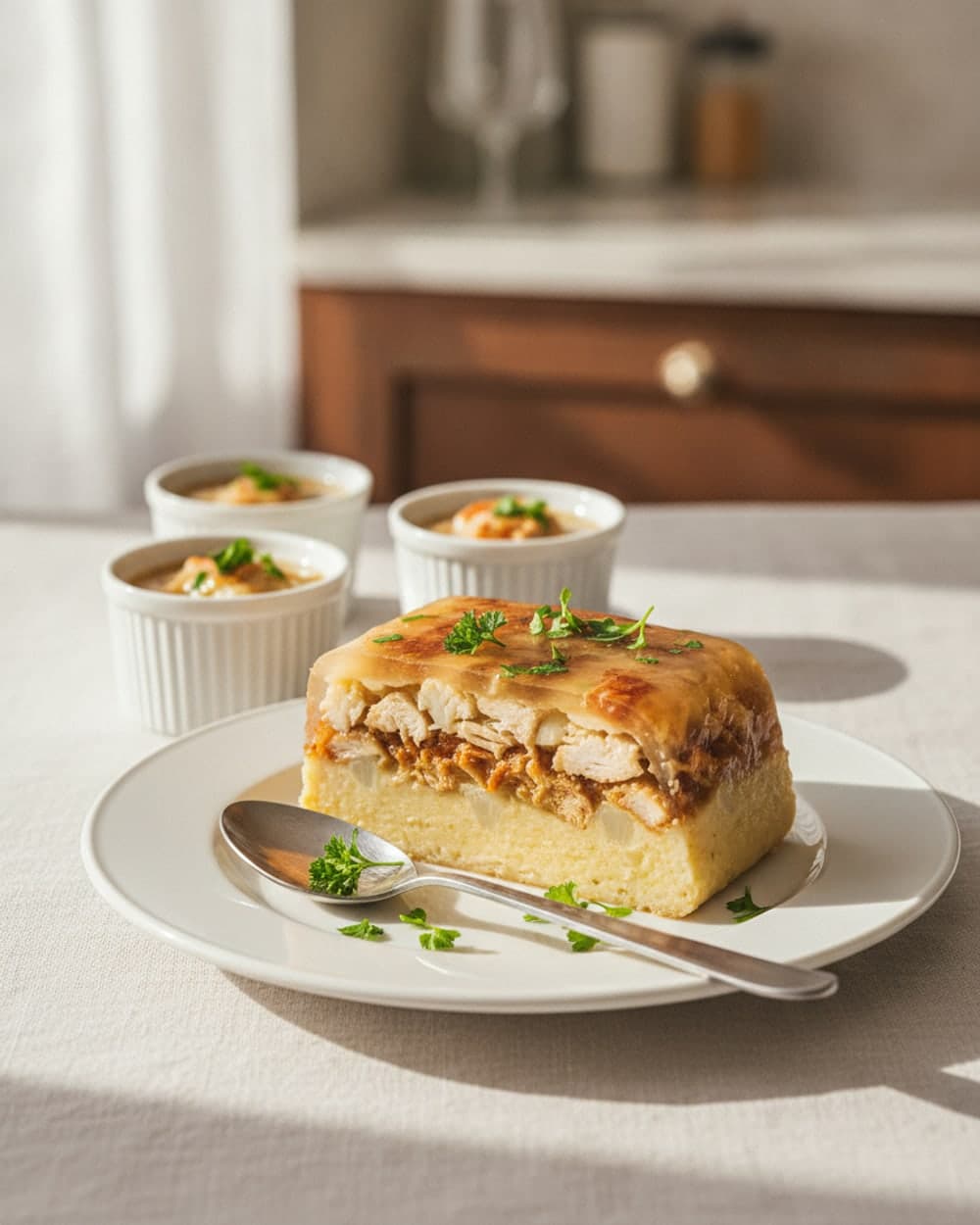
Chicken Cauliflower Soup
Simmer weighed chicken with cauliflower, celery, broth, herbs, and a measured creamy element. Document the broth and dairy selections, because those labels can alter calculated totals. Shred the chicken after cooking, then return it to the pot before portioning. Soup offers a warm lunch option, especially when the rotation needs softer textures. Protein grams and carbohydrate grams require verified nutrition data for the broth, chicken, vegetables, and finish used in the pot.
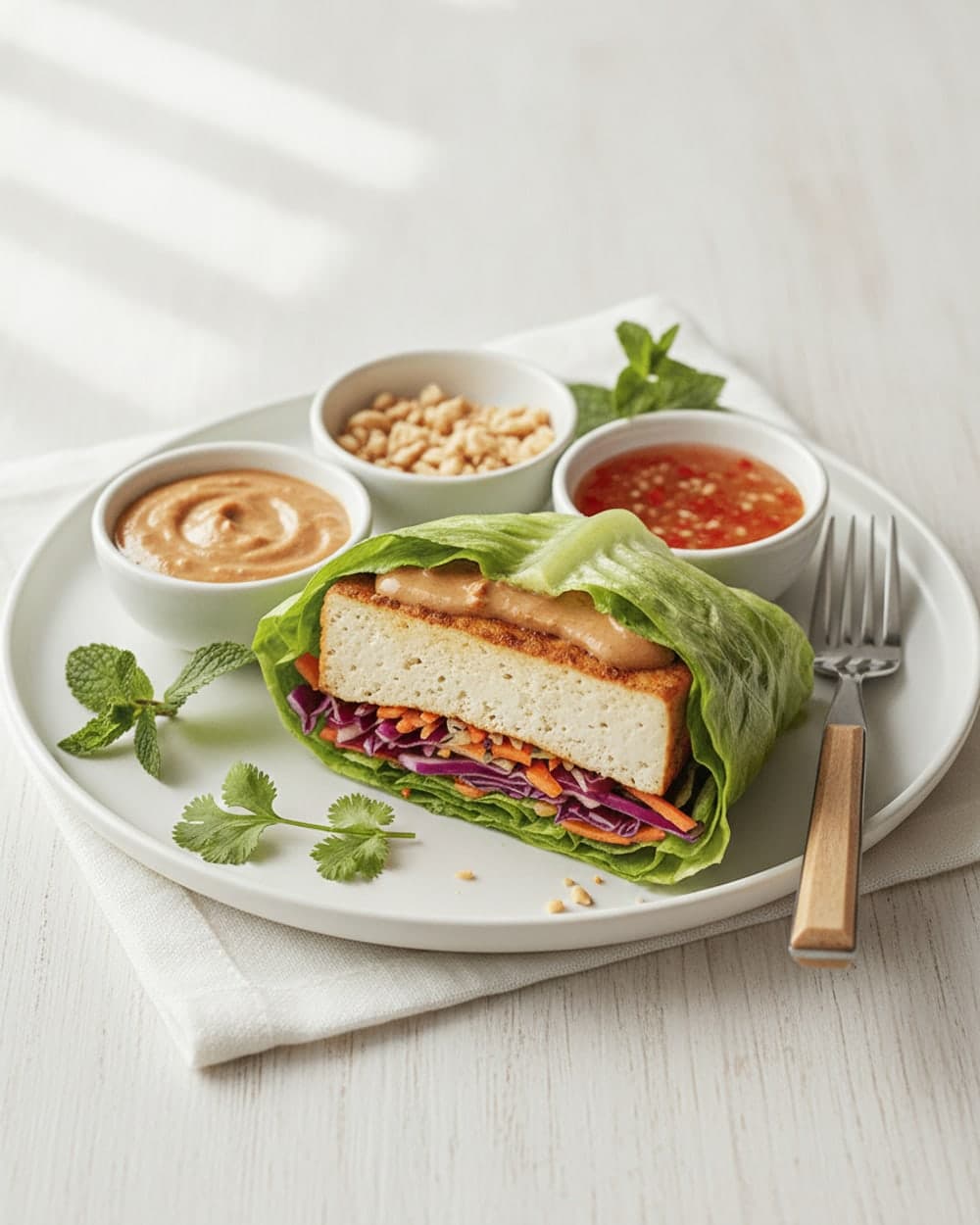
Tofu Peanut Lettuce Wraps
Crumble weighed firm tofu with mushrooms, cabbage, tamari, peanut butter, and lime. Record the tofu label, peanut butter amount, and any sweet chili addition before calculation. Cook the filling until dry enough to spoon neatly into lettuce leaves. The wraps give the list a plant-based option with deep savory flavor and crunch. Protein grams and carbohydrate grams stay unlisted until verified nutrition data covers every component used in the final dish.
Before you go
Save this framework for the week you want clearer recipe cards, not guessed nutrition. Pick three dinner styles, one cold lunch, and one breakfast option, then write down package labels, weights, yields, and portions as you cook. Those notes make future calculations repeatable and help the rotation stay varied. Return when verified ingredient data is ready to turn each outline into a fully numbered recipe.
Save this for later
High Protein Low Carb Recipes
Tags
- high-protein
- low-carb-recipes
- meal-planning
- recipe-calculation
Read next
High Protein
- High-protein
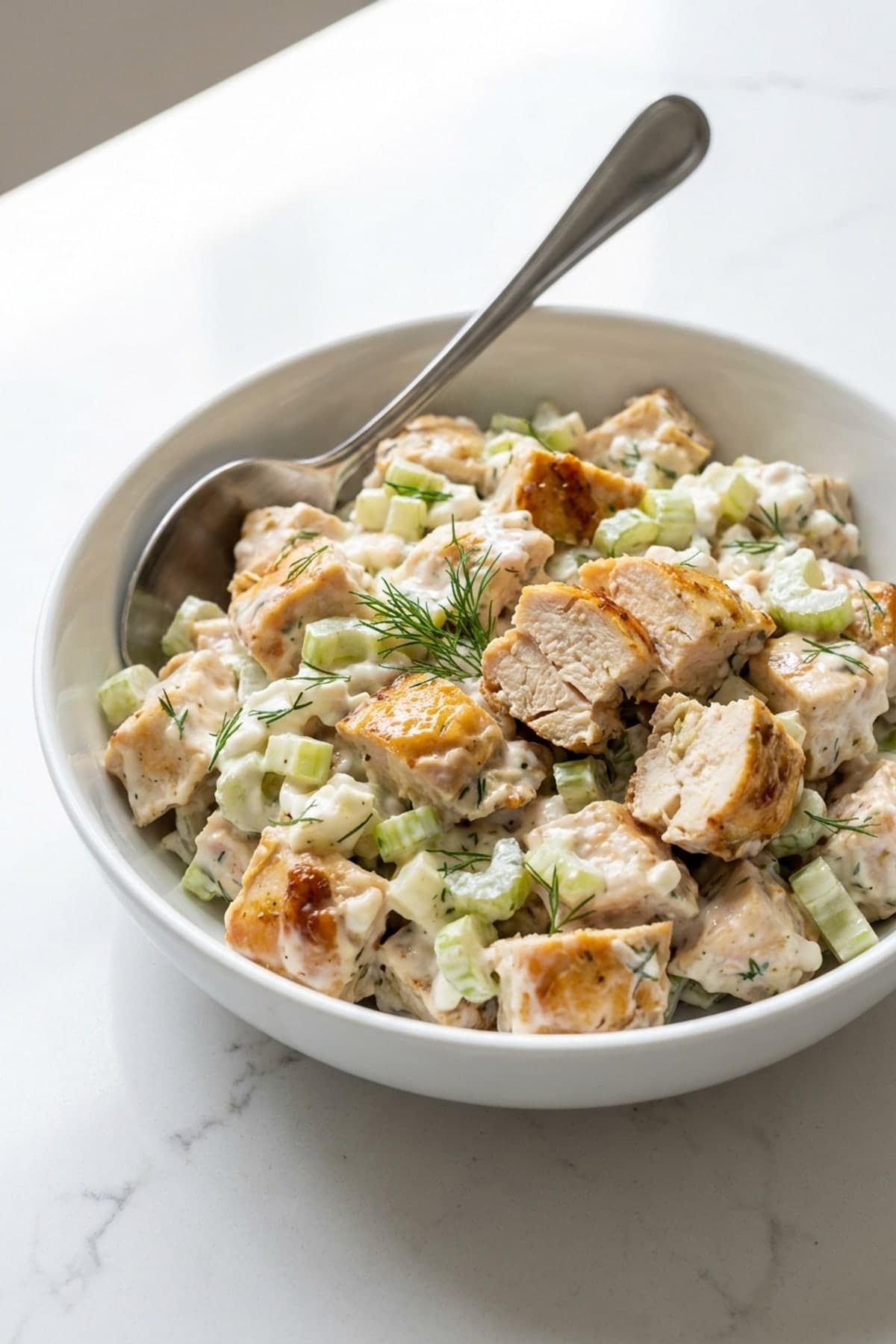
High Protein Chicken Salad With 38g Per Cup
35 min total4 servings49.9g protein357 kcal
Make a protein-rich chicken salad with cottage cheese, Greek yogurt, celery, dill, and almonds for a sturdy lunch with real texture.
Meal Prep
- Low-carb
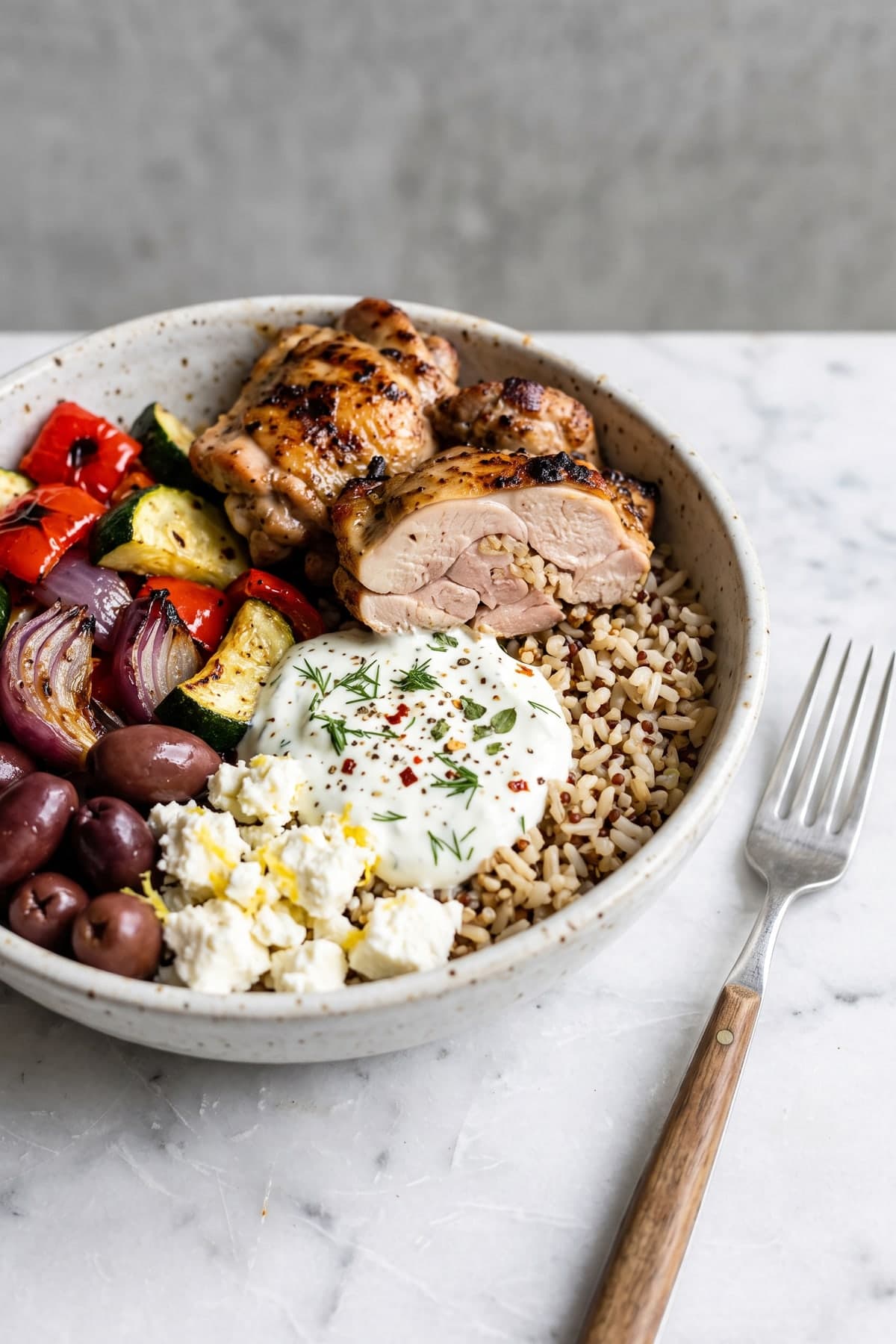
Low Carb Meal Prep: Roast Four Greek Chicken Boxes
45 min total4 servings44.5g protein465 kcal
Roast Greek chicken, peppers, zucchini, and red onion, then pack four low-carb meal-prep boxes with lemon feta yogurt sauce.
Low Carb
- One pan
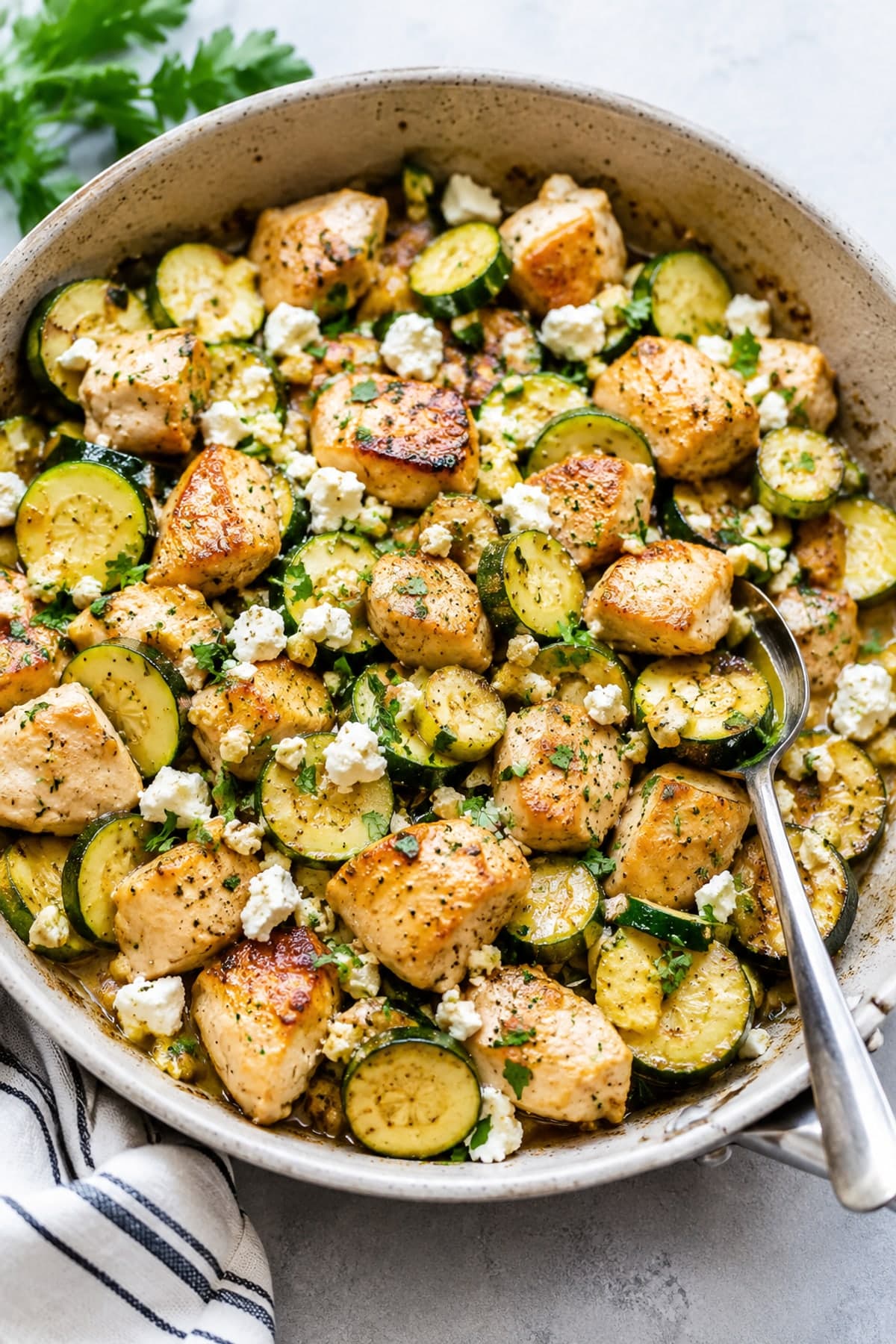
Healthy Low Carb Recipes: Chicken Zucchini Feta Skillet
35 min totalServes 438.2g protein356 kcal
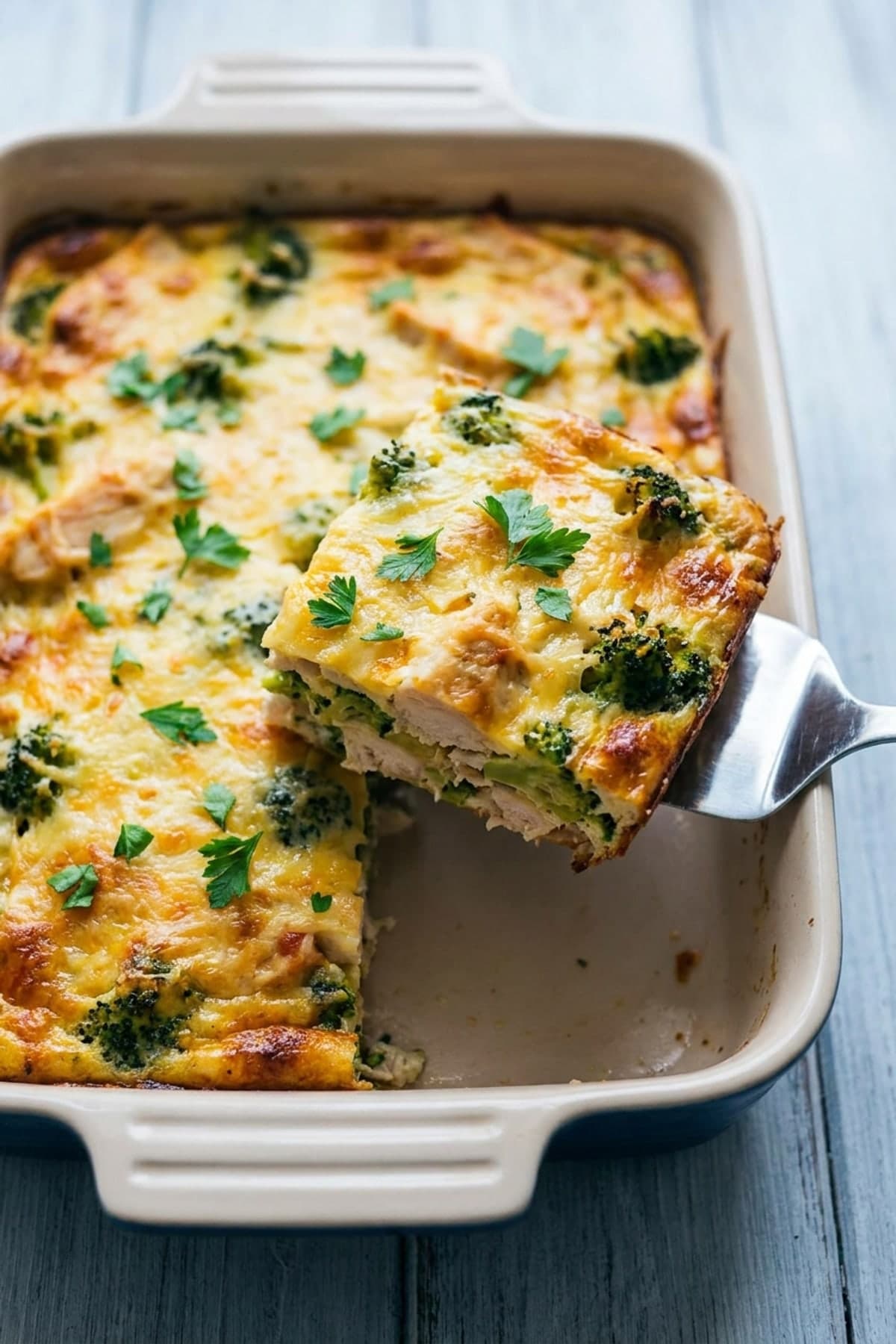
A healthy low carb chicken, zucchini, pepper, and feta skillet with direct seasoning, crisp-tender vegetables, and practical leftovers.
Low Carb
Low Carb Chicken Recipes for Dinner: 15 Options
Plan low carb chicken dinners with skillet meals, casseroles, air-fryer options, and slow-cooker recipes for your weekly menu.
Low Carb
- High-protein
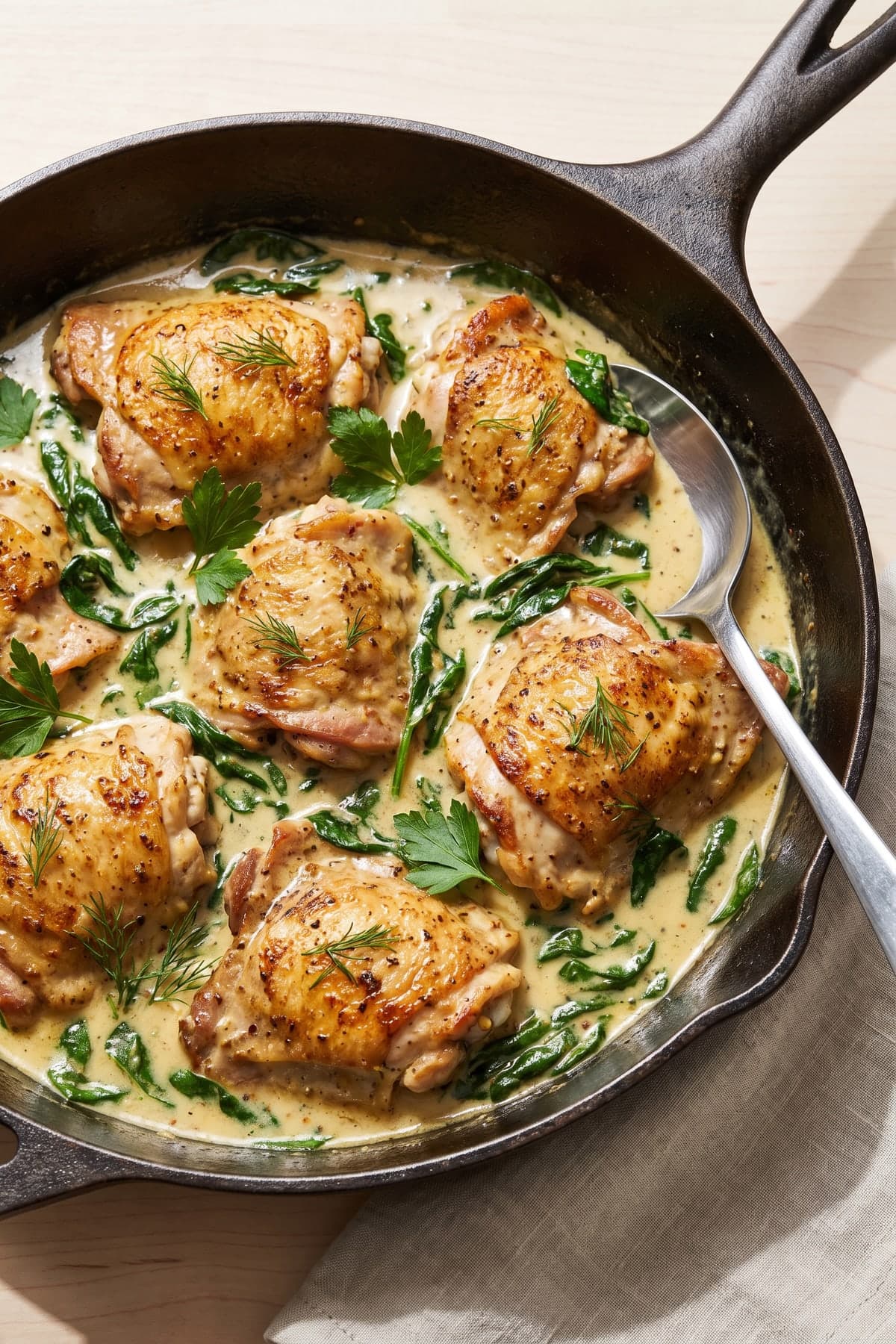
Low Carb Chicken Recipes: Mustard Spinach Skillet
40 min total4 servings57.8g protein603 kcal
Make this low carb chicken recipe with seared chicken cutlets, creamy Dijon sauce, Parmesan, and spinach in one skillet.
Low Carb
- Slow cooker
Low Carb High Protein Crockpot Recipes: Chicken Verde
4 hr 45 min total6 servings33.6g protein277 kcal
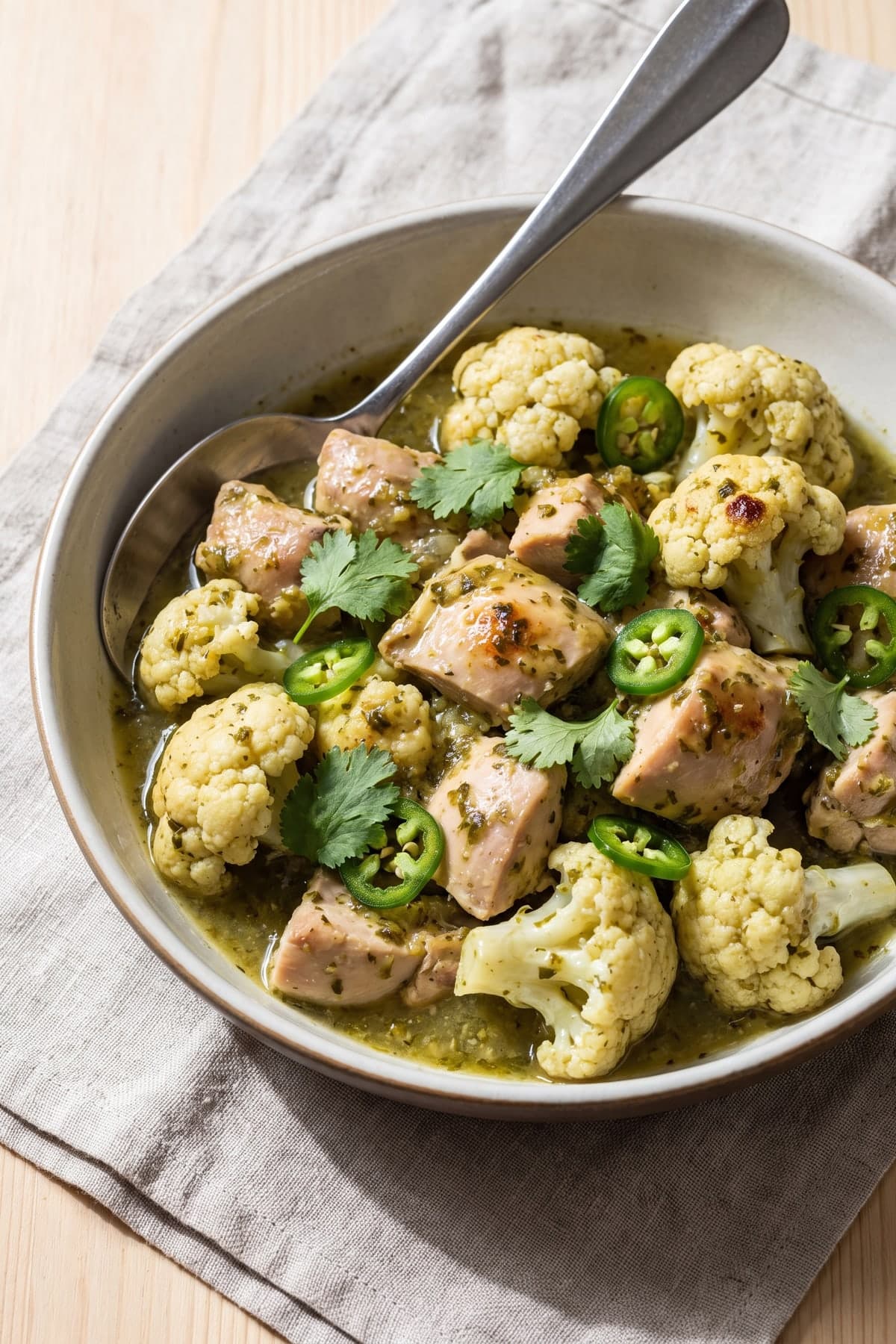
Make slow cooker chicken verde with thighs, salsa verde, cauliflower, and peppers for a structured low-carb dinner with simple prep.