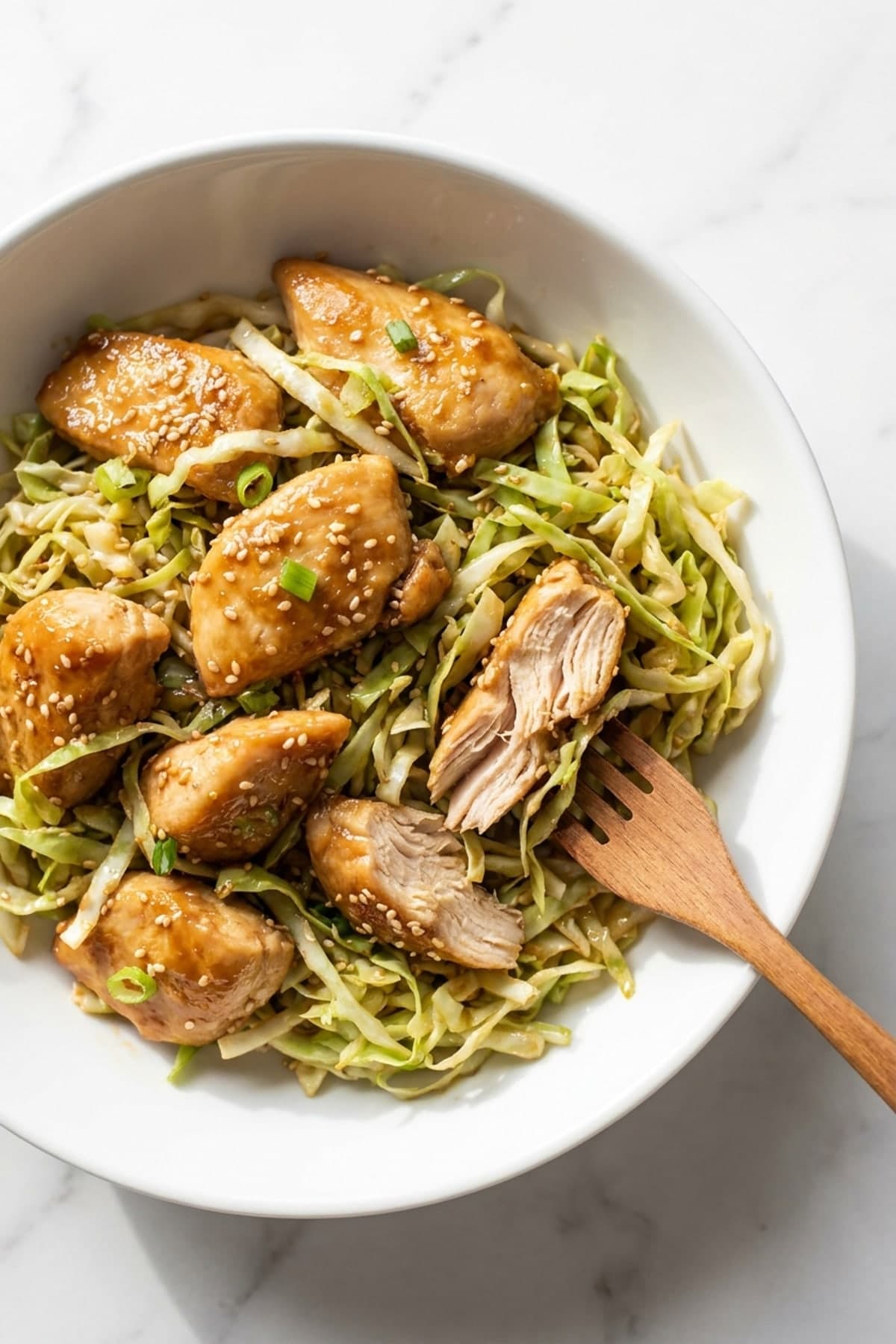
Low Calorie Lunch Ideas: Make Sesame Chicken Bowls
35 min total4 servings35.5g protein288 kcal16.4g carbs9.2g fat
- High-protein
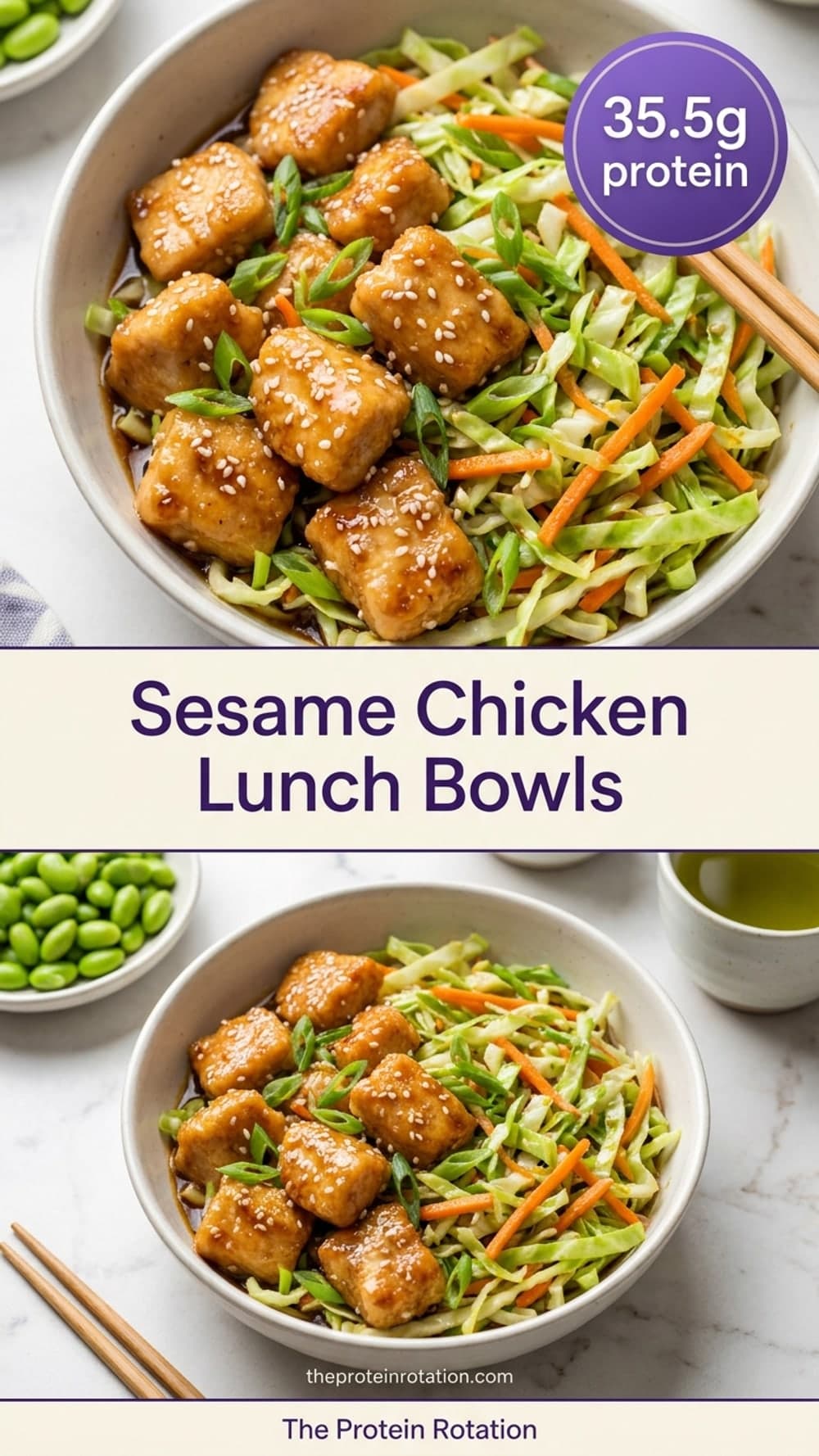
Low calorie lunch ideas work better when the bowl is generous, not when every component feels reduced. Here, a mound of cabbage, cucumber, and carrots supports seared chicken with a sharp sesame-ginger dressing. The chicken provides the protein anchor, while the vegetables supply crunch and enough volume to keep the lunch satisfying.
The dressing is divided deliberately: a small portion glazes the hot chicken, and the rest seasons the vegetables just before serving. That split keeps the pan hot for browning and stops cabbage wilting in storage. It also gives each bowl a glossy finish without a heavy layer of sauce underneath. Per serving: 35.5g protein, 288 calories.
Why this works
- Focused cooking gives chicken breast defined texture before sesame ginger dressing enters, keeping the protein recognizable instead of buried beneath the finish.
- shredded cabbage receives a separate checkpoint, so its color and structure remain visible in the final sesame chicken cabbage bowls while unnecessary liquid cooks away.
- The practical target is deeply browned chicken edges and vegetables dressed only enough to shine. This physical cue is more dependable than a timer because pan width, ingredient temperature, and cut size vary.
Ingredients
- 1 1/4 pounds chicken breast (565 g)
- 6 cups shredded cabbage (420 g)
- 2 medium carrots, shredded (140 g)
- 1 English cucumber, sliced (300 g)
- 3 scallions, thinly sliced (45 g)
- 2 tablespoons reduced-sodium tamari (30 g)
- 2 tablespoons rice vinegar (30 g)
- 1 tablespoon toasted sesame oil (14 g)
- 1 tablespoon lime juice (15 g)
- 2 teaspoons grated ginger (10 g)
- 1 teaspoon honey (7 g)
- 1 tablespoon sesame seeds (9 g)
- 1 tablespoon avocado oil (14 g)
Ingredient notes
- Chicken breast: Choose evenly sized pieces or portions so the stated cooking window remains useful. Blot wet surfaces before browning, since visible moisture must evaporate before color can develop.
- Shredded cabbage: Keep the cuts substantial enough to survive the full method. Small or crowded pieces soften early and release water into the carefully built base.
- Sesame ginger dressing: Measure this component rather than pouring freely. Its job is to connect the main ingredients while leaving their shapes and colors easy to distinguish.
- Scallions: Add this near the end for clear color and aroma. Long cooking flattens the fresh note that should contrast with the savory base.
- Salt and acidity: Season in stages and taste after concentrated ingredients have joined. Reduction changes the balance, so a final adjustment is more dependable than adding the entire amount at the beginning. Make that adjustment slowly because seasoning cannot be removed after it dissolves.
How to make Sesame Chicken Cabbage Bowls
Whisk and divide dressing
Whisk tamari, vinegar, sesame oil, lime, ginger, and honey until the honey dissolves. Pour one third into a small bowl for the hot chicken and reserve the rest for serving. Keeping raw and cooked portions separate protects the cold dressing from contact with uncooked poultry. Pause at the visible cue before continuing, because the next addition changes moisture and surface contact.
Sear the chicken
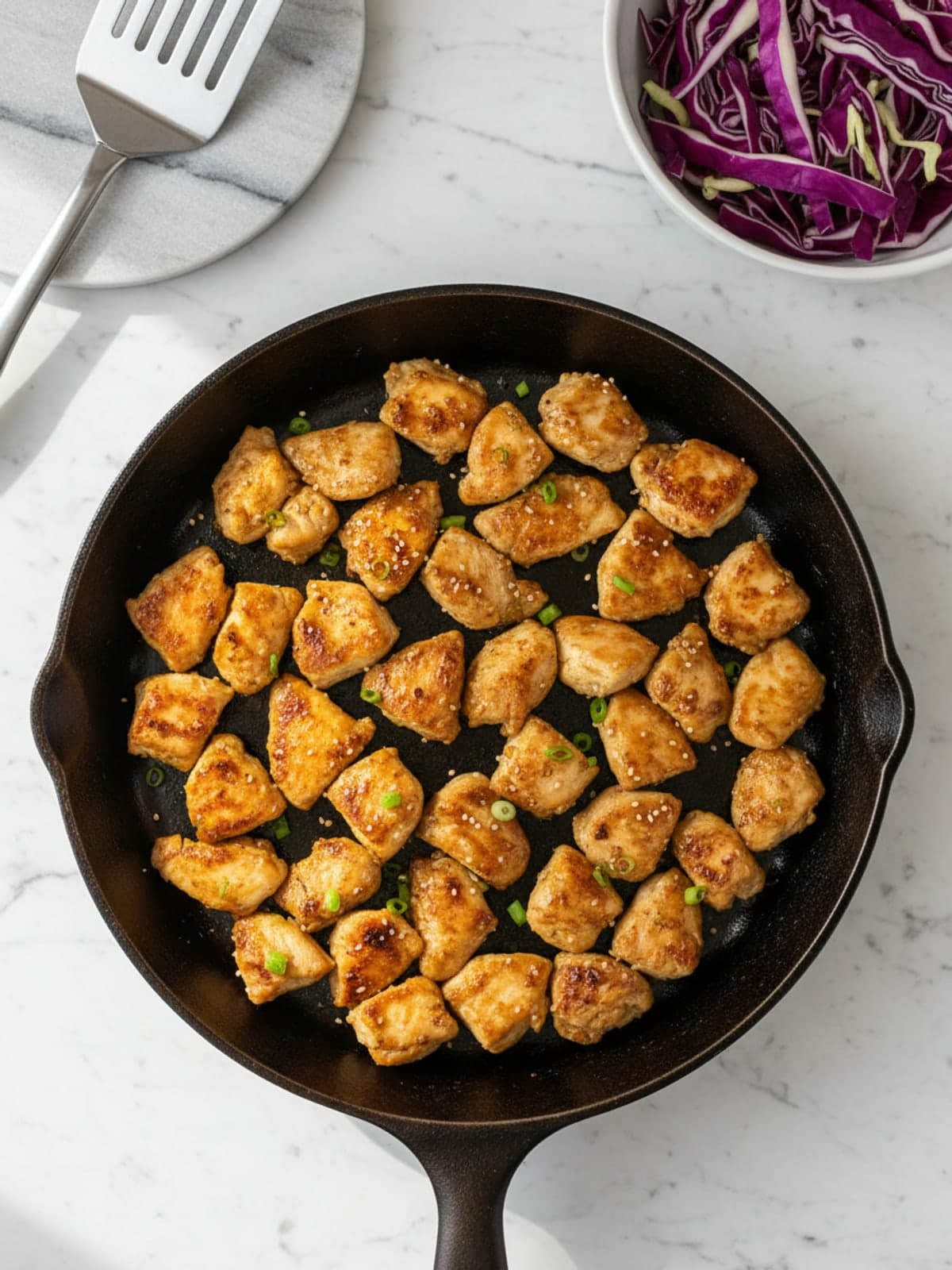
Cut chicken into even bite-size pieces and pat the surfaces dry. Heat avocado oil over medium-high, spread the chicken in one layer, and leave it untouched until the first sides brown. Turn and continue cooking until the thickest pieces reach 165°F (74°C) without crowding the skillet. Pause at the visible cue before continuing, because the next addition changes moisture and surface contact.
Glaze off the burner
Take the skillet off the heat and add the smaller dressing portion. Toss until it clings in a thin glossy layer rather than pooling. If liquid remains, return the pan to low heat briefly, watching closely because the honey can darken faster once the sauce becomes concentrated. Pause at the visible cue before continuing, because the next addition changes moisture and surface contact.
Build crisp bowls
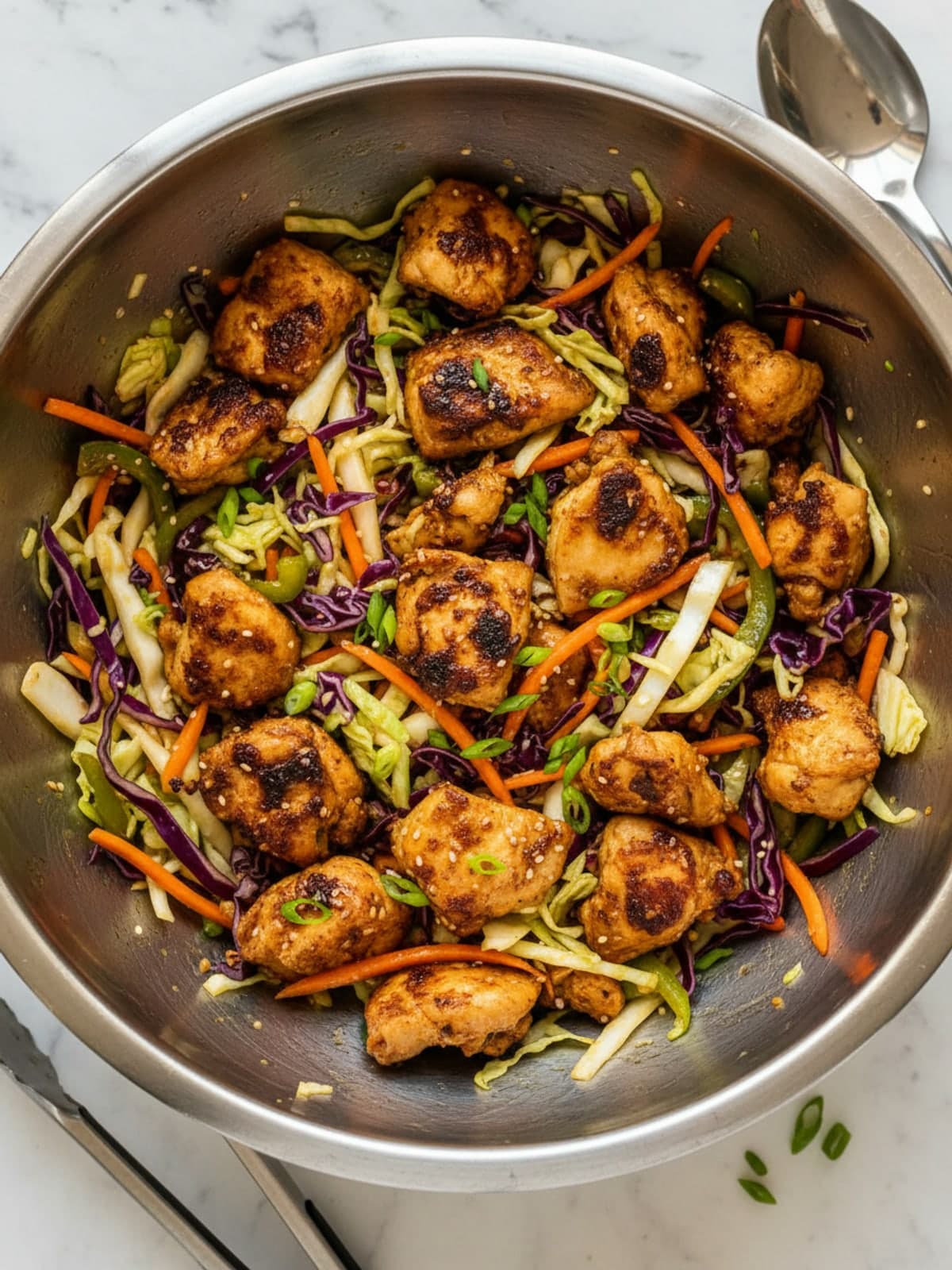
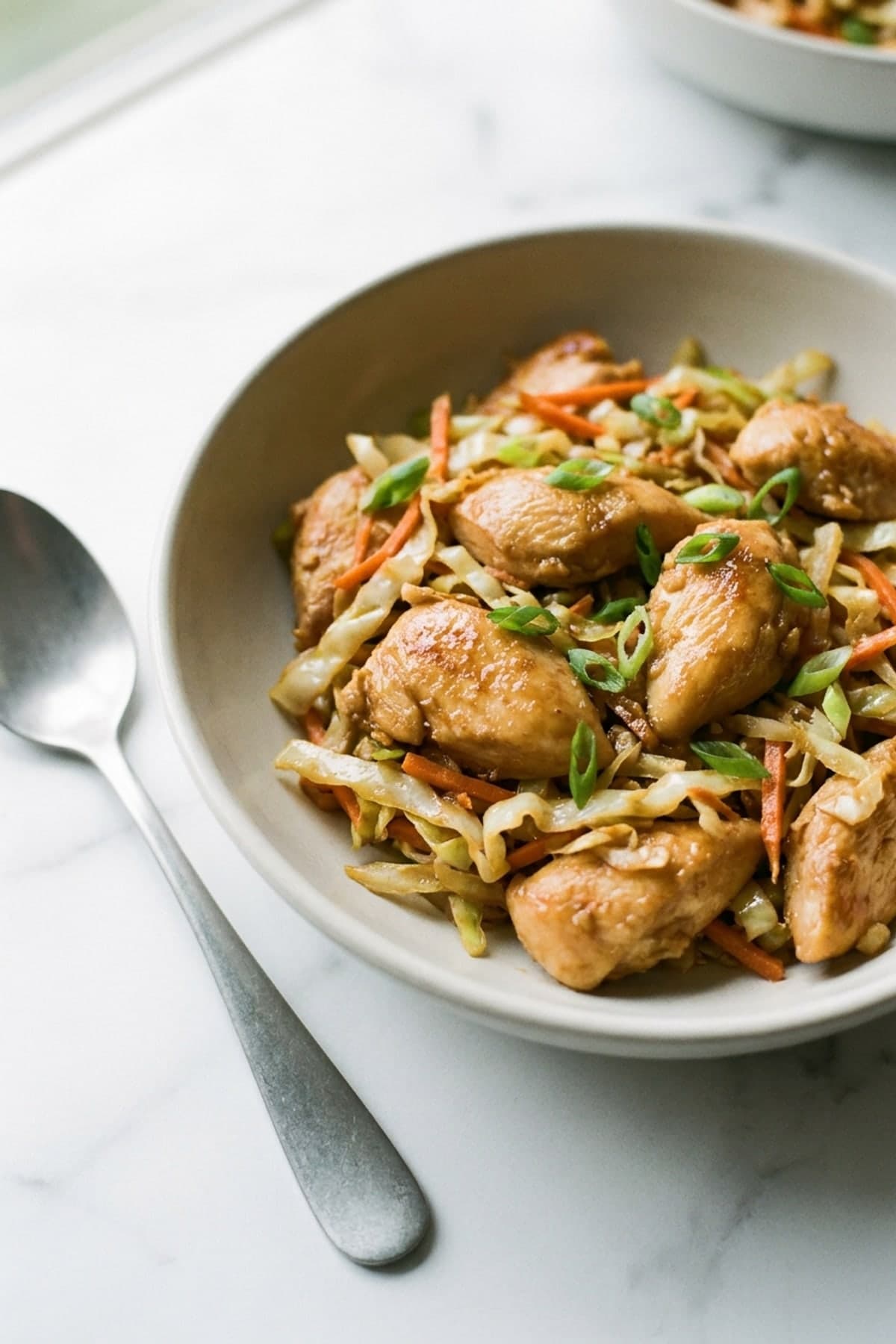
Divide cabbage, carrots, cucumber, and scallions among four wide bowls. Spoon chicken over one side so its warmth does not immediately soften every vegetable. Drizzle the reserved dressing lightly across the cabbage, scatter sesame seeds unevenly, and serve additional dressing separately for anyone who wants more. Pause at the visible cue before continuing, because the next addition changes moisture and surface contact.
The recipe
Sesame Chicken Cabbage Bowls
PrintSesame Chicken Cabbage Bowls combines clearly defined chicken breast, shredded cabbage, and sesame ginger dressing in a carefully sequenced recipe built for 4 servings and practical reheating.
Course: Lunch · Cuisine: Asian Inspired
- Prep
- 20 min
- Cook
- 15 min
- Total
- 35 min
- Yield
- 4 servings
Nutrition Facts
Per serving. Recipe yield: 4 servings.
- Calories
- 288 kcal
- Protein
- 35.5 g
- Carbs
- 16.4 g
- Fat
- 9.2 g
- Fiber
- 4.9 g
- Sugar
- 8.2 g
- Sodium
- 530 mg
For 2 servings, scaled from the per-serving figures. Recipe yield: 4 servings.
- Calories
- 576 kcal
- Protein
- 71 g
- Carbs
- 32.8 g
- Fat
- 18.4 g
- Fiber
- 9.8 g
- Sugar
- 16.4 g
- Sodium
- 1060 mg
For 3 servings, scaled from the per-serving figures. Recipe yield: 4 servings.
- Calories
- 864 kcal
- Protein
- 106.5 g
- Carbs
- 49.2 g
- Fat
- 27.6 g
- Fiber
- 14.7 g
- Sugar
- 24.6 g
- Sodium
- 1590 mg
Ingredients
Instructions
- Whisk and divide dressing. Whisk tamari, vinegar, sesame oil, lime, ginger, and honey until the honey dissolves. Pour one third into a small bowl for the hot chicken and reserve the rest for serving. Keeping raw and cooked portions separate protects the cold dressing from contact with uncooked poultry.
- Sear the chicken. Cut chicken into even bite-size pieces and pat the surfaces dry. Heat avocado oil over medium-high, spread the chicken in one layer, and leave it untouched until the first sides brown. Turn and continue cooking until the thickest pieces reach 165°F (74°C) without crowding the skillet.
- Glaze off the burner. Take the skillet off the heat and add the smaller dressing portion. Toss until it clings in a thin glossy layer rather than pooling. If liquid remains, return the pan to low heat briefly, watching closely because the honey can darken faster once the sauce becomes concentrated.
- Build crisp bowls. Divide cabbage, carrots, cucumber, and scallions among four wide bowls. Spoon chicken over one side so its warmth does not immediately soften every vegetable. Drizzle the reserved dressing lightly across the cabbage, scatter sesame seeds unevenly, and serve additional dressing separately for anyone who wants more.
Notes
- Ingredient size affects timing, so favor even cuts while allowing naturally irregular arrangement.
- The decisive finished cue is deeply browned chicken edges and vegetables dressed only enough to shine; wait for it before adding the final garnish.
- Refrigerate for 4 days and reheat portions gently, keeping fresh scallions separate until serving.
- low calorie lunch ideas
- sesame chicken cabbage bowls
- chicken breast
- shredded cabbage
Tips
- Use a wide vessel when browning. Open surface area lets moisture escape and gives chicken breast better contact instead of trapping it in a shallow pool.
- Watch the stated texture cue before moving forward: deeply browned chicken edges and vegetables dressed only enough to shine. A timer is a guide, but the visible state determines when the next ingredient belongs.
- Keep scallions for the finish. Its color and aroma are most useful after the strongest heat has passed, not buried during the main cooking stage.
- Divide the protein first when portioning, then distribute vegetables and sauce. That simple order keeps the final serving from receiving mostly liquid or small scraps.
Serving and storage
Serve the bowls immediately for maximum contrast, or pack the chicken, vegetables, and dressing in three compartments. Warm only the chicken, then assemble at lunch. Cilantro or mint can replace scallions when a brighter herb note is wanted. If another diner needs a starch, add brown rice or rice noodles to that portion without changing the core vegetable and chicken distribution.
Questions people ask
What is the most important checkpoint for this sesame chicken cabbage bowls?
Look for deeply browned chicken edges and vegetables dressed only enough to shine. That physical cue tells you the base has enough structure for the next step and is more dependable than adding ingredients solely because a timer ended.
Can I prepare the sesame chicken cabbage bowls ahead?
Yes. Complete the main cooked components, cool them before covering, and refrigerate for up to 4 days. Hold scallions and any cold finishing element separately, then add them after reheating so their contrast remains clear.
Ratings and reviews
No ratings yet. If you have cooked this, yours would be the first.
Thank you. Your rating has been counted.
You have already rated this recipe, so this one was not counted.
Please choose between one and five stars.
Reviews are limited to 600 characters. Nothing was saved.
Names are limited to 40 characters. Nothing was saved.
That is a lot of ratings in one hour. Please try again later.
Before you go
Save this sesame chicken cabbage bowls for the rotation when the useful goal is clear texture rather than extra ingredients. The method centers one visible checkpoint—deeply browned chicken edges and vegetables dressed only enough to shine—and builds the rest of the recipe around it. Once that cue looks right, portioning and reheating become straightforward instead of guesswork.
Save this for later
Sesame Chicken Lunch Bowls
Tags
- low-calorie-lunch
- chicken-breast
- shredded-cabbage
- weeknight-recipe
Featured in
Read next
Low Carb
- Quick
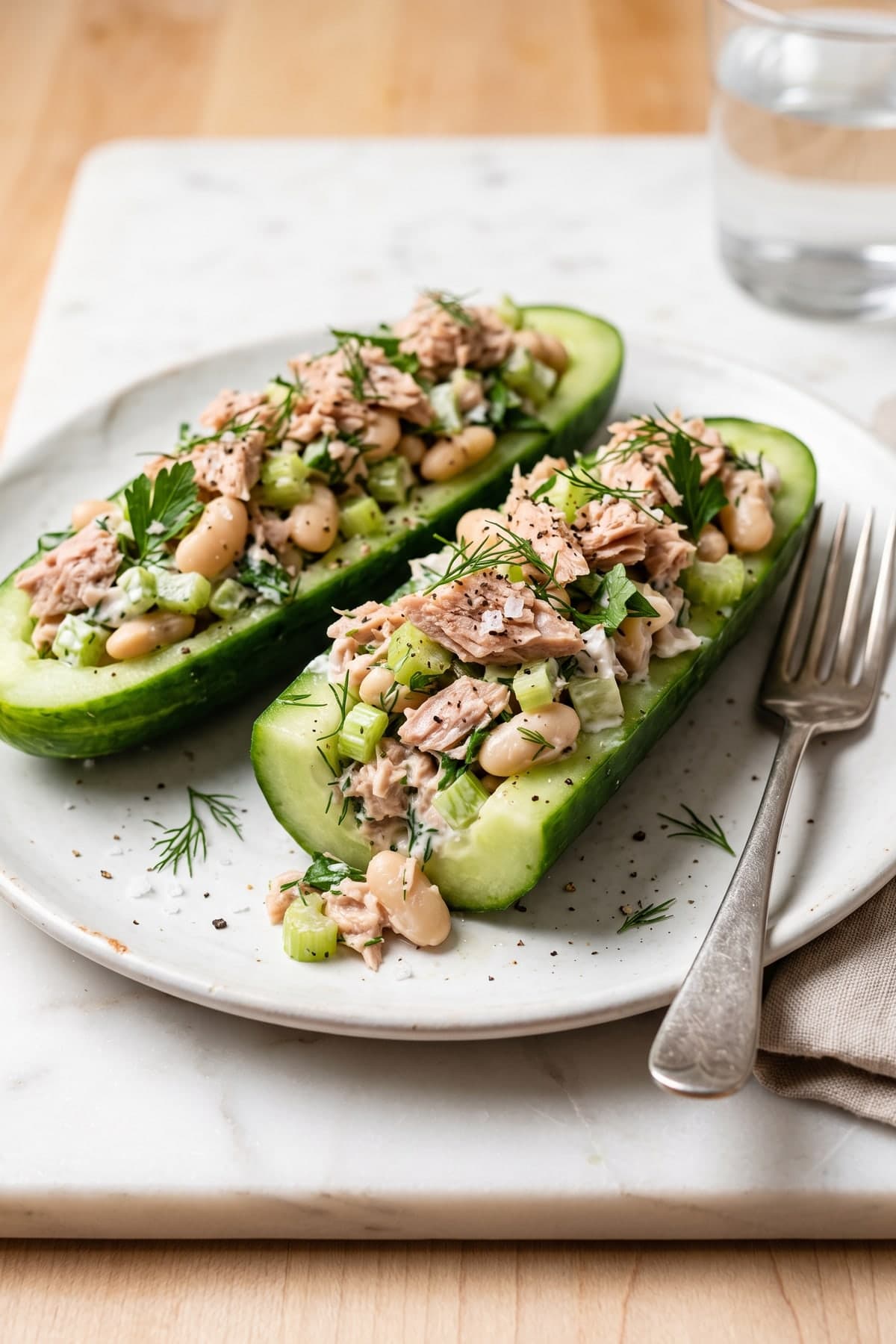
Low Carb Lunch Ideas: Make Tuna Cucumber Boats with White Beans
25 min total4 servings39.7g protein305 kcal
Make tuna cucumber boats with white beans, celery, herbs, and lemon yogurt dressing for a crisp low-carb lunch ready in 25 minutes.
Keto
- Quick
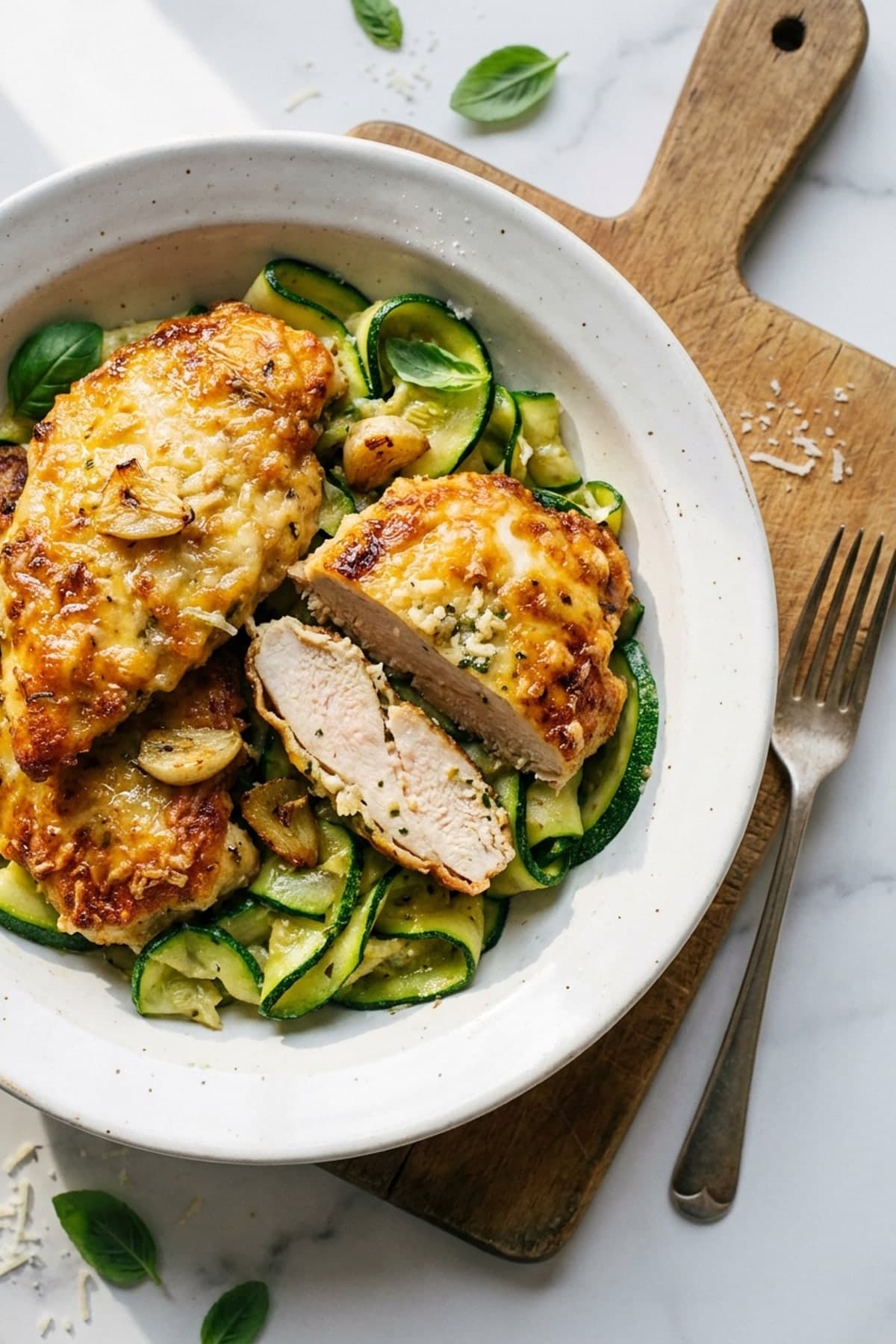
Keto Chicken Recipes: Make the Garlic Parmesan Skillet First
30 min total4 servings47g protein454 kcal
This garlic Parmesan chicken skillet pairs cutlets with zucchini ribbons and a concentrated cream sauce for a 30-minute keto dinner.
Meal Prep
- Low-carb
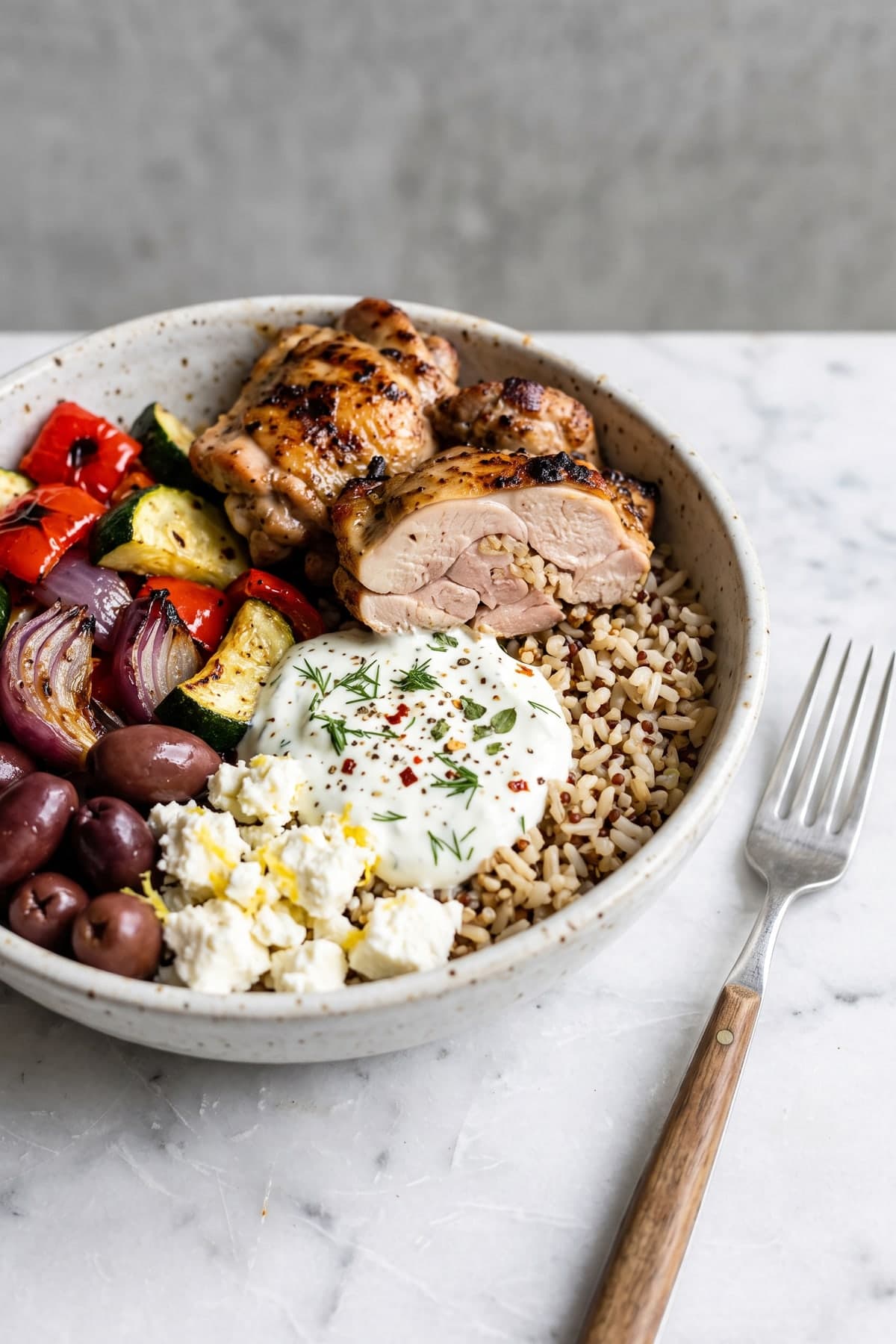
Low Carb Meal Prep: Roast Four Greek Chicken Boxes
45 min total4 servings44.5g protein465 kcal
Roast Greek chicken, peppers, zucchini, and red onion, then pack four low-carb meal-prep boxes with lemon feta yogurt sauce.
Low Calorie
- One pan
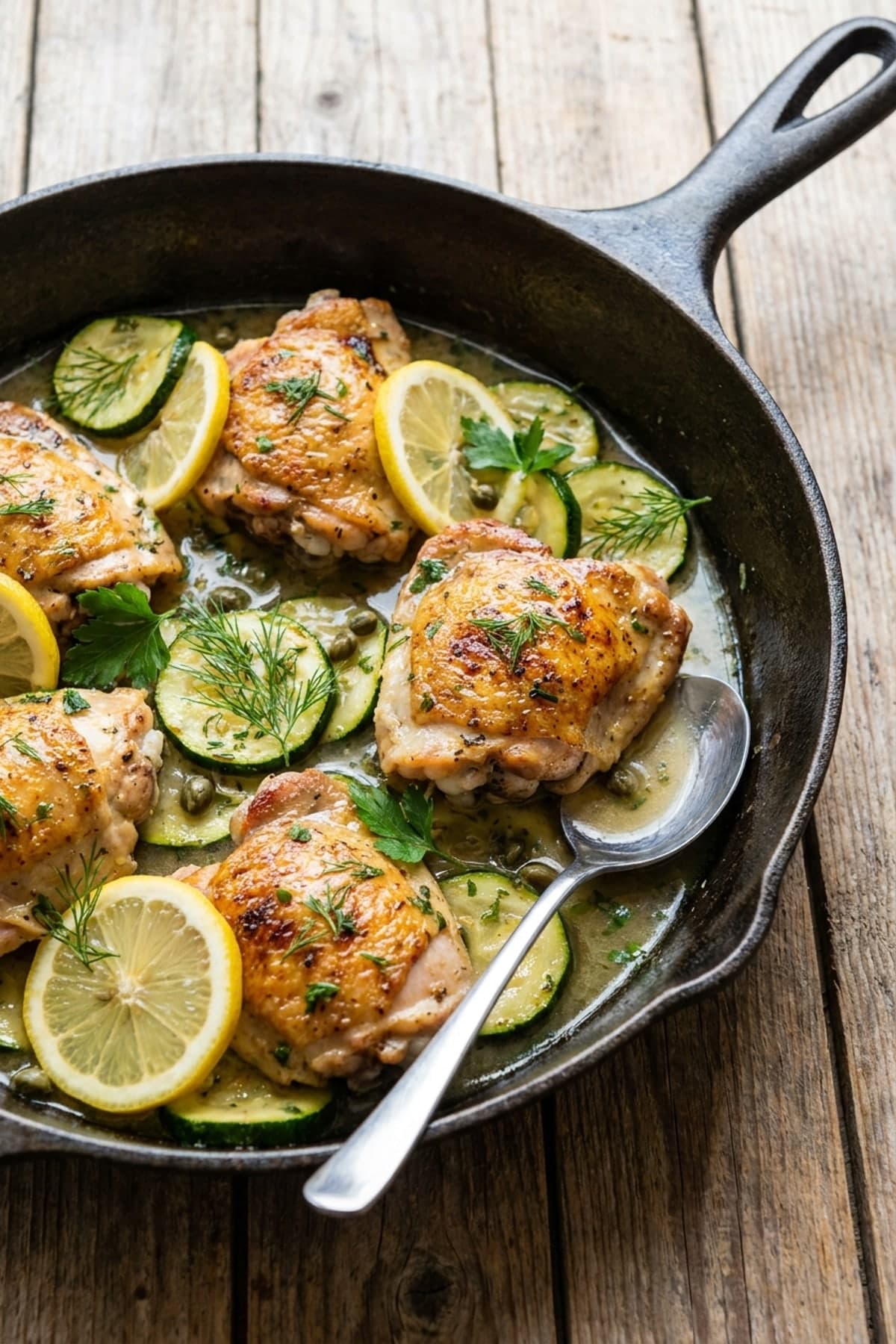
Low Calorie Dinner Recipes: Lemon Chicken Zucchini
40 min total4 servings41.2g protein309 kcal
A bright lemon chicken zucchini skillet for low calorie dinner recipes, with one pan, everyday ingredients, and a practical plan for leftovers.
Low Calorie
- Low-carb
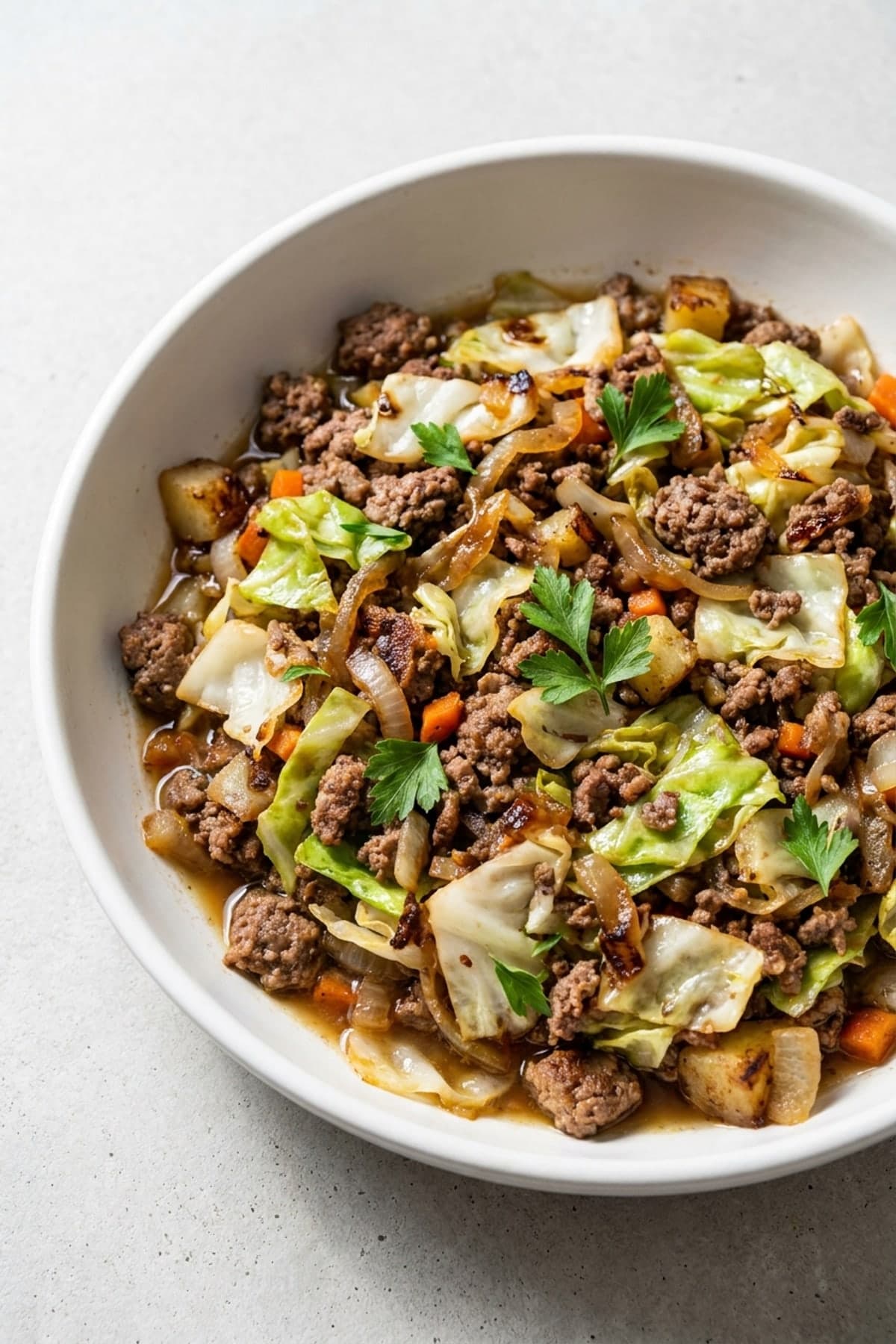
Low Calorie Ground Beef Recipes: Beef Cabbage Skillet
40 min total4 servings25.1g protein362 kcal
Start with this low calorie ground beef recipe: a savory one-pan beef and cabbage skillet with tomato, garlic, paprika, and vinegar.
Low Calorie
- Low-carb
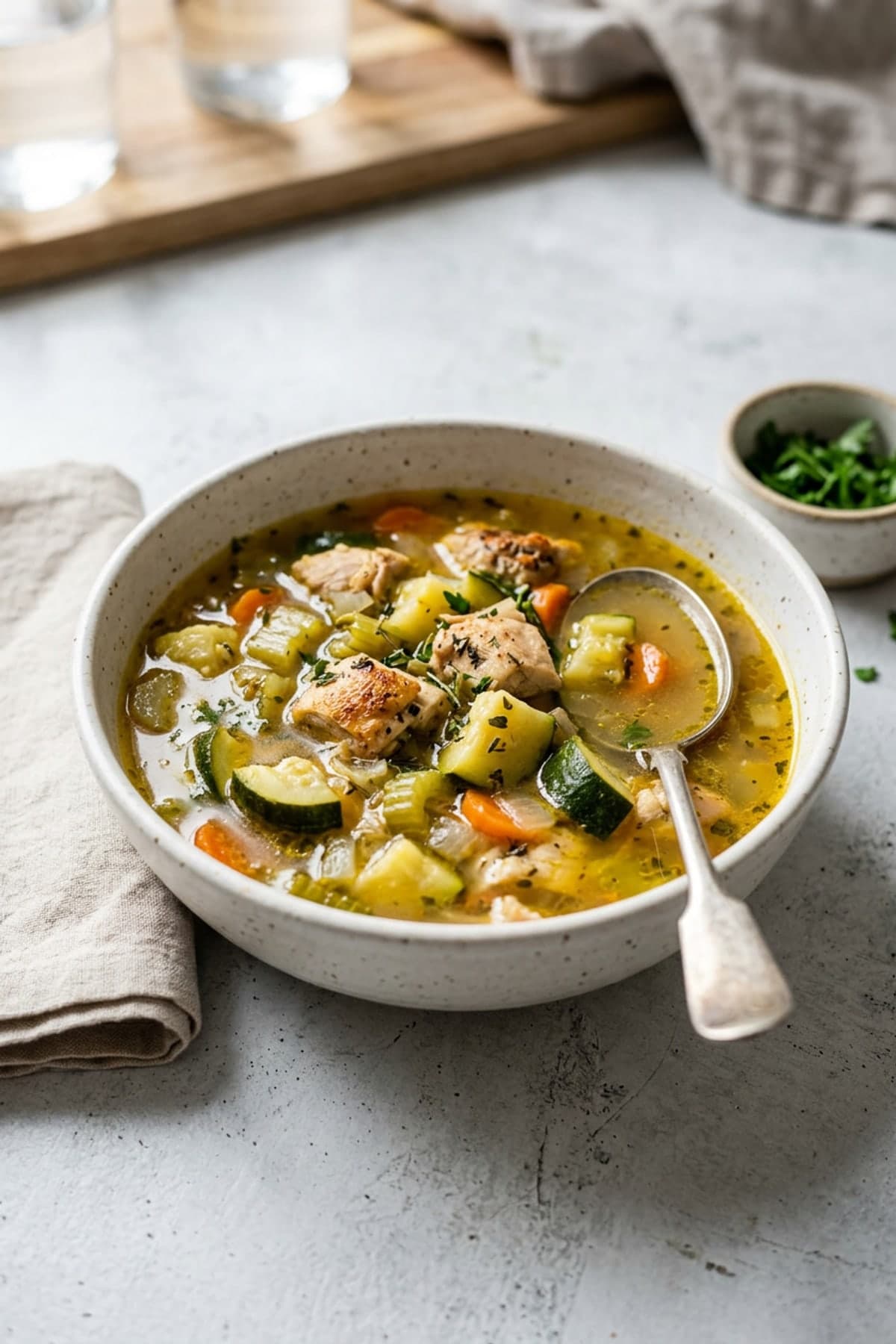
Low Calorie Soup Recipes: Chicken Zucchini Soup
40 min total4 servings31.7g protein243 kcal
A bright chicken zucchini soup with tomatoes, celery, and lemon. This practical one-pot recipe works for lunches or a simple dinner.