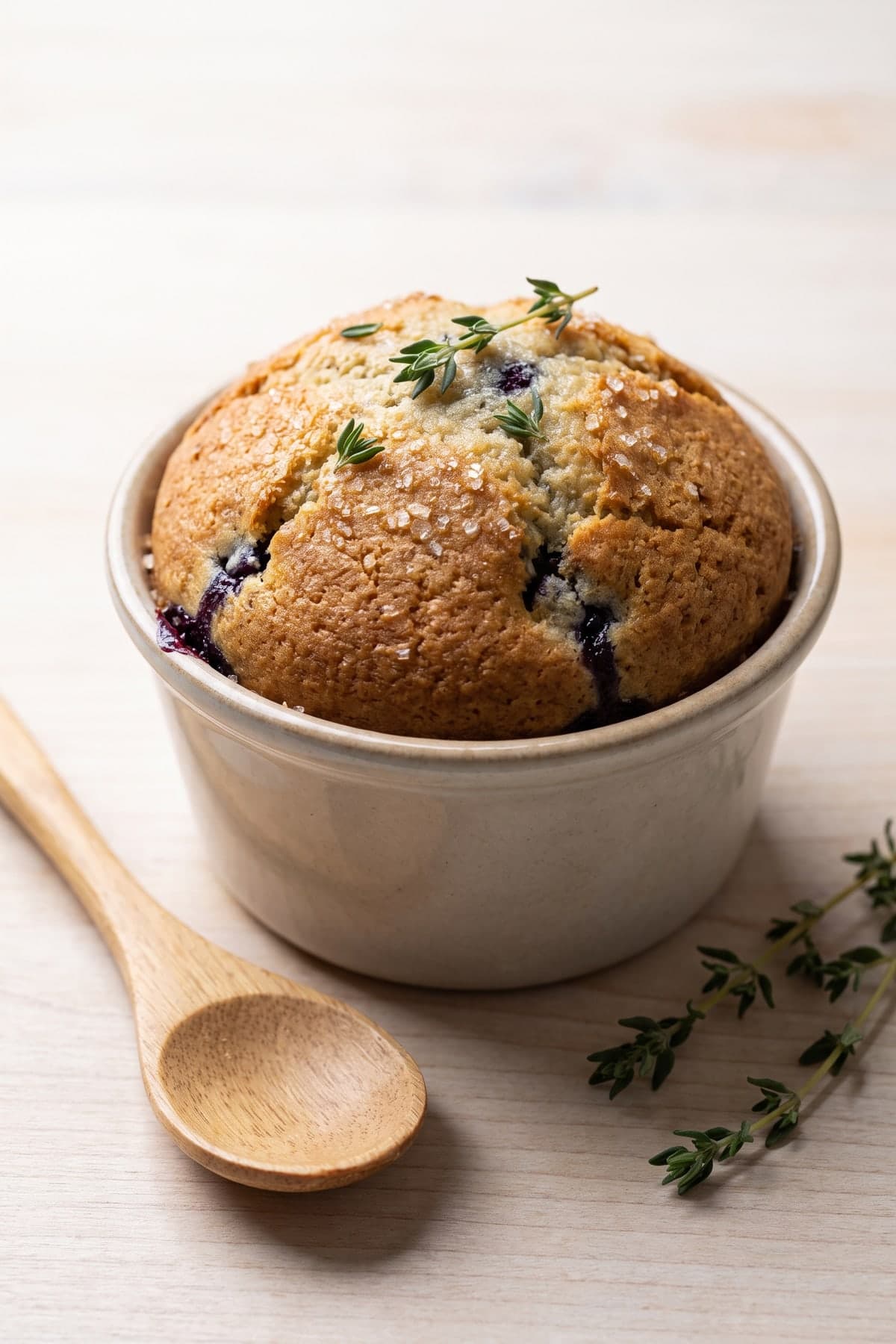
Gluten Free Muffin Recipes That Rise Properly
Gluten free muffins recipes need a different approach: structure must come from measured dry ingredients, steady mixing, and a batter that rests briefly before baking. This collection focuses on practical combinations of fruit, vegetables, nuts, and warm spices rather than novelty ingredients.
Each option gives you a clear flavor direction and a reliable starting point for breakfast, packed lunches, or a planned snack. Individual protein grams per serving are not listed because verified nutrition calculations were not supplied. Choose one base style for the week, then vary fruit, spices, or crunchy toppings to keep the rotation useful.
20 recipes in this roundup
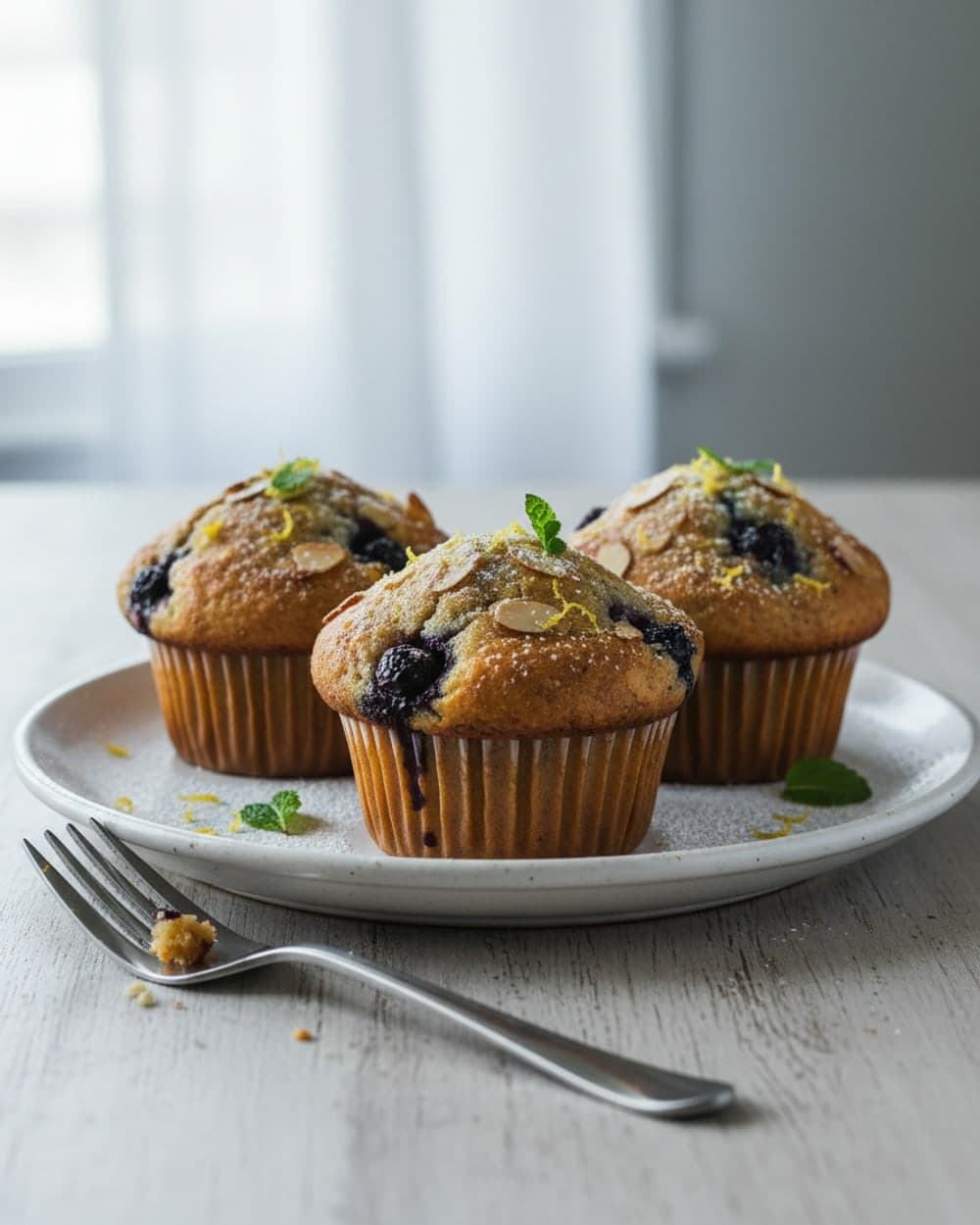
Blueberry Lemon Almond Muffins
Almond flour brings a tender crumb, while lemon zest keeps the blueberry flavor bright. Use fresh or frozen berries, but fold them in last to limit streaking. Fill cups about three-quarters full and leave the oven closed early in baking. These suit a breakfast plate with eggs or yogurt, though the nuttier base is richer than oat-flour versions. A coarse sugar topping adds crunch but also changes the finished sweetness noticeably.
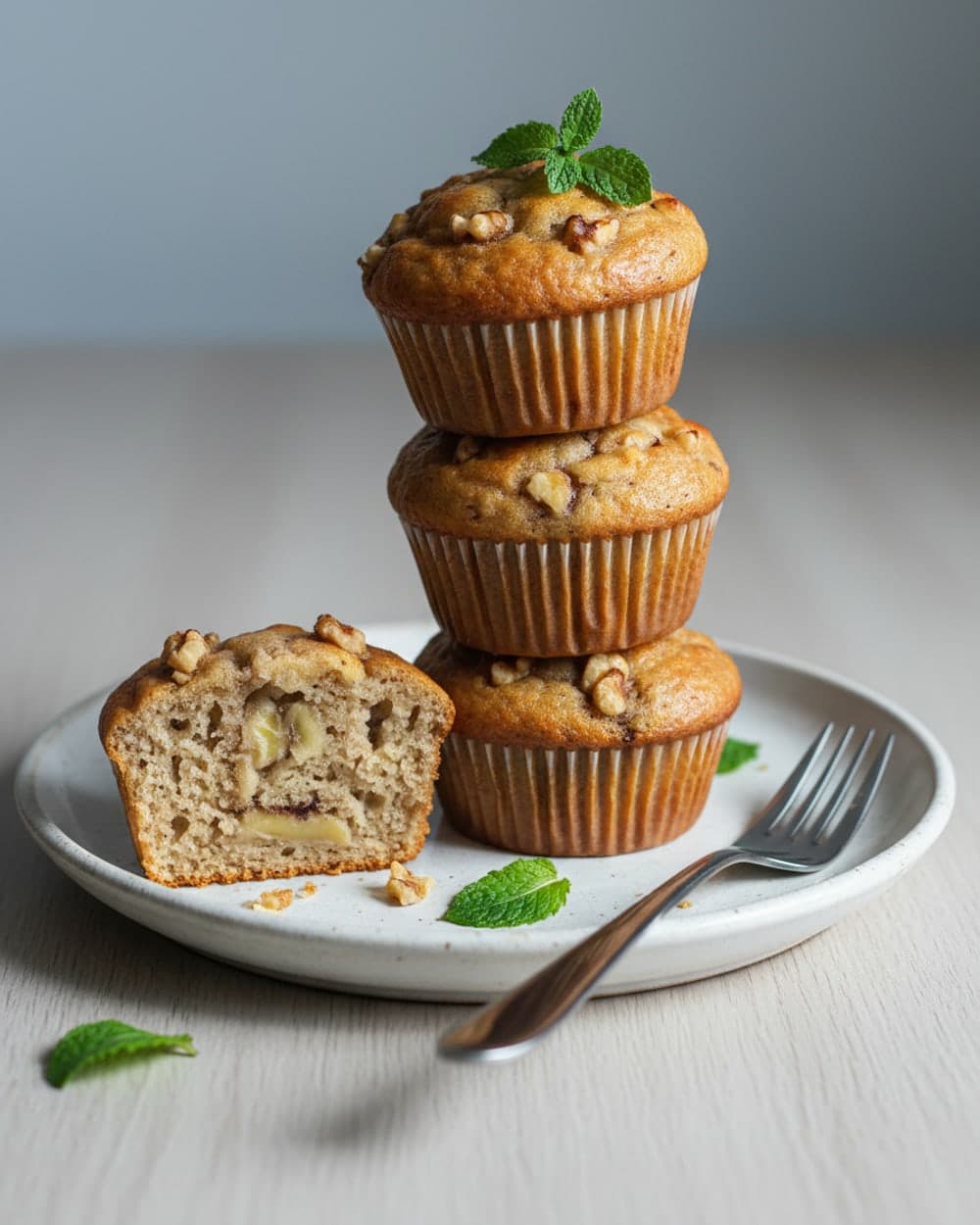
Banana Walnut Breakfast Muffins
Mashed banana supplies moisture and sweetness, so ripe fruit matters more than extra sugar. Combine it with finely ground oats labeled gluten free and walnuts for a substantial texture. Stir only until no dry patches remain; extended mixing can make the centers heavy. Cinnamon and a little salt give the batter definition. Choose this version when you want soft, sweet muffins, accepting that banana flavor leads rather than chocolate or spice.
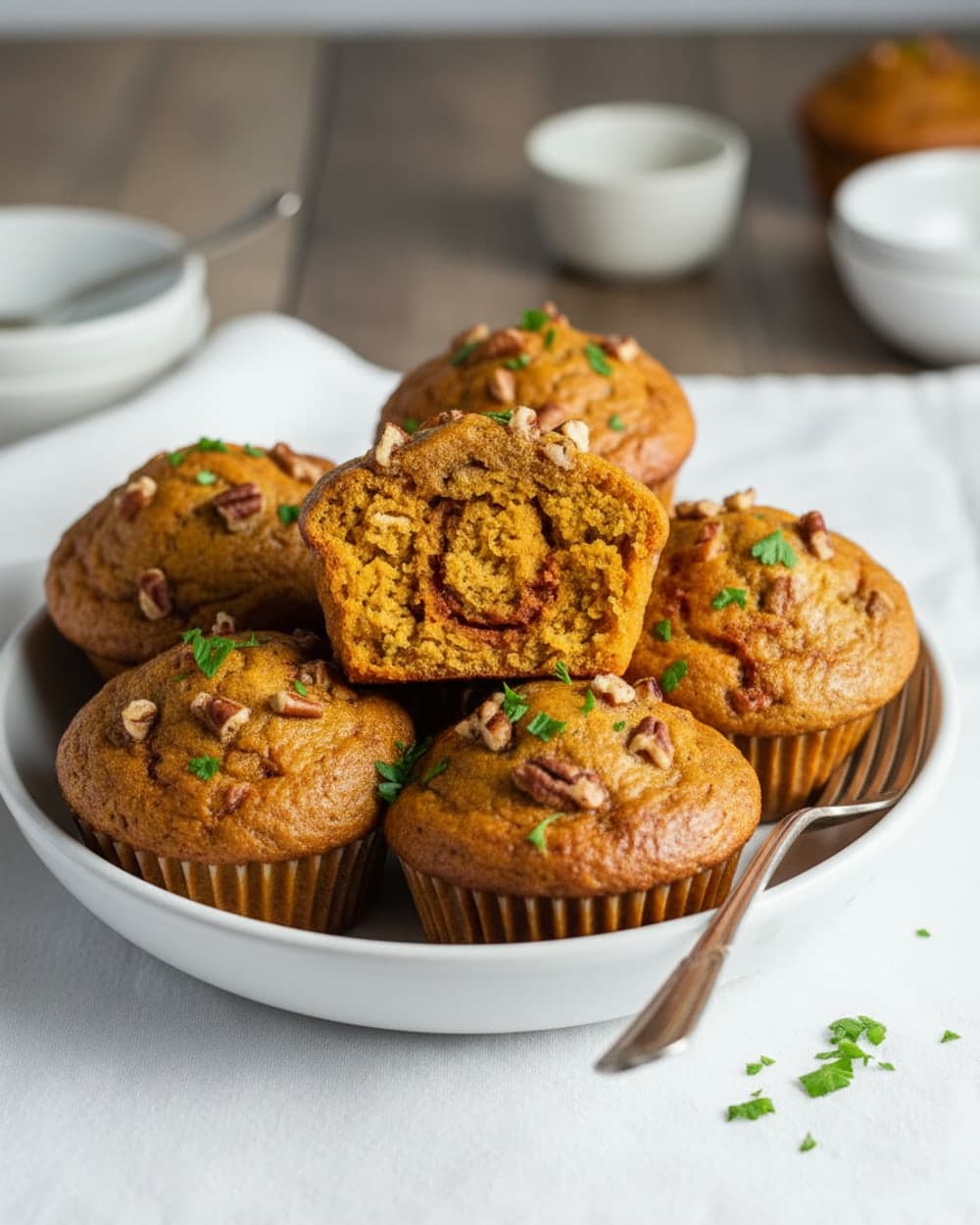
Pumpkin Spice Pecan Muffins
Pumpkin puree creates a moist batter, while pecans give contrast to the soft interior. Use a measured spice blend with cinnamon, ginger, and cloves instead of relying on one note. Let batter stand for 10 minutes so flour can hydrate. Bake until tops spring back lightly when pressed. This is the autumn-leaning choice, with deeper flavor and more moisture than a plain vanilla muffin. Pecan halves add a crisp top too.
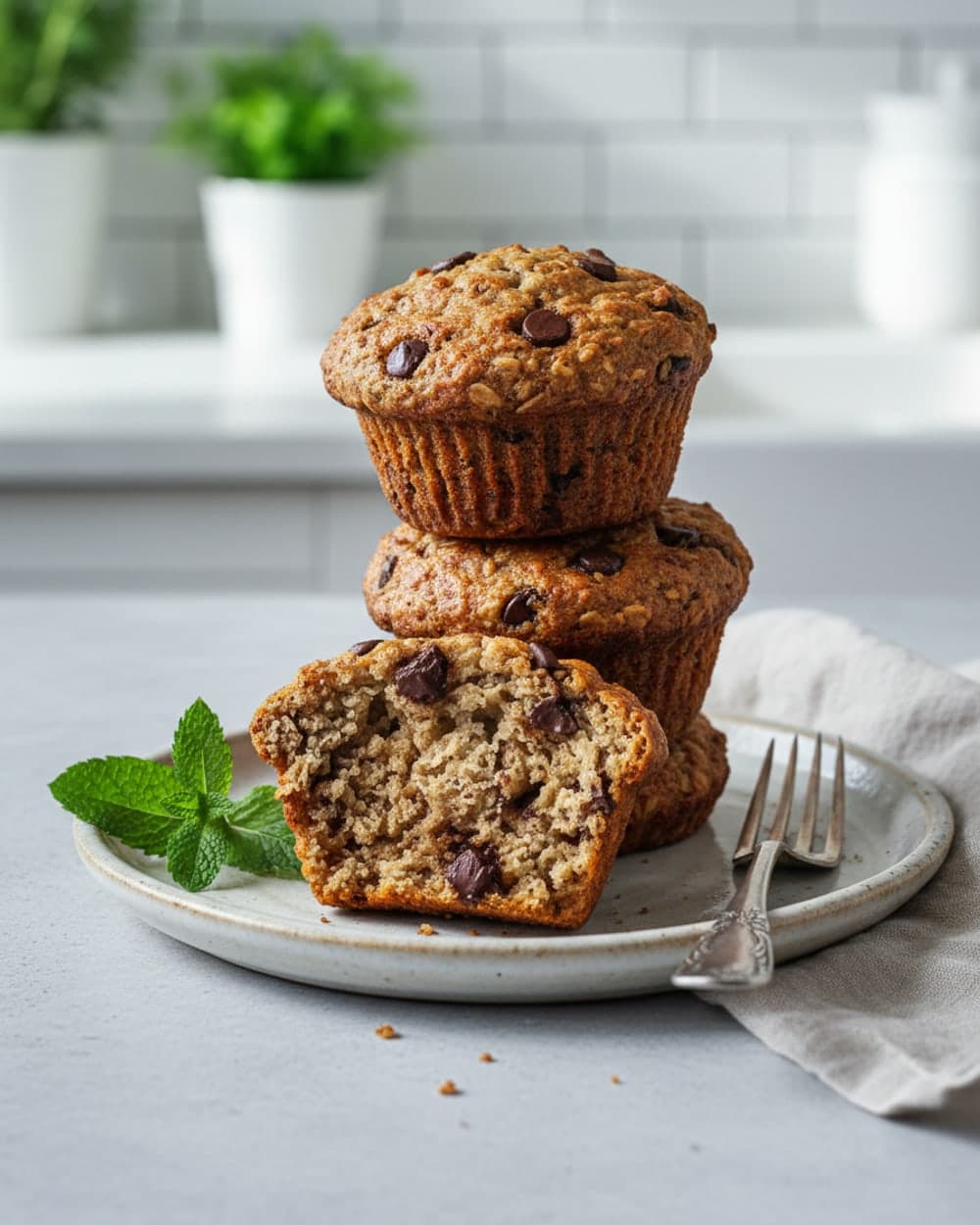
Chocolate Chip Oat Muffins
Certified gluten-free oats give these muffins a familiar, hearty bite without using a specialty flour blend. A small amount of starch helps batter hold its shape as it bakes. Scatter chocolate chips across tops before baking for more even distribution. Keep add-ins modest so centers can rise. Pick this recipe for a lunchbox-style flavor, trading bright fruit for a more dessert-like profile. A pinch of espresso powder sharpens the cocoa impression.
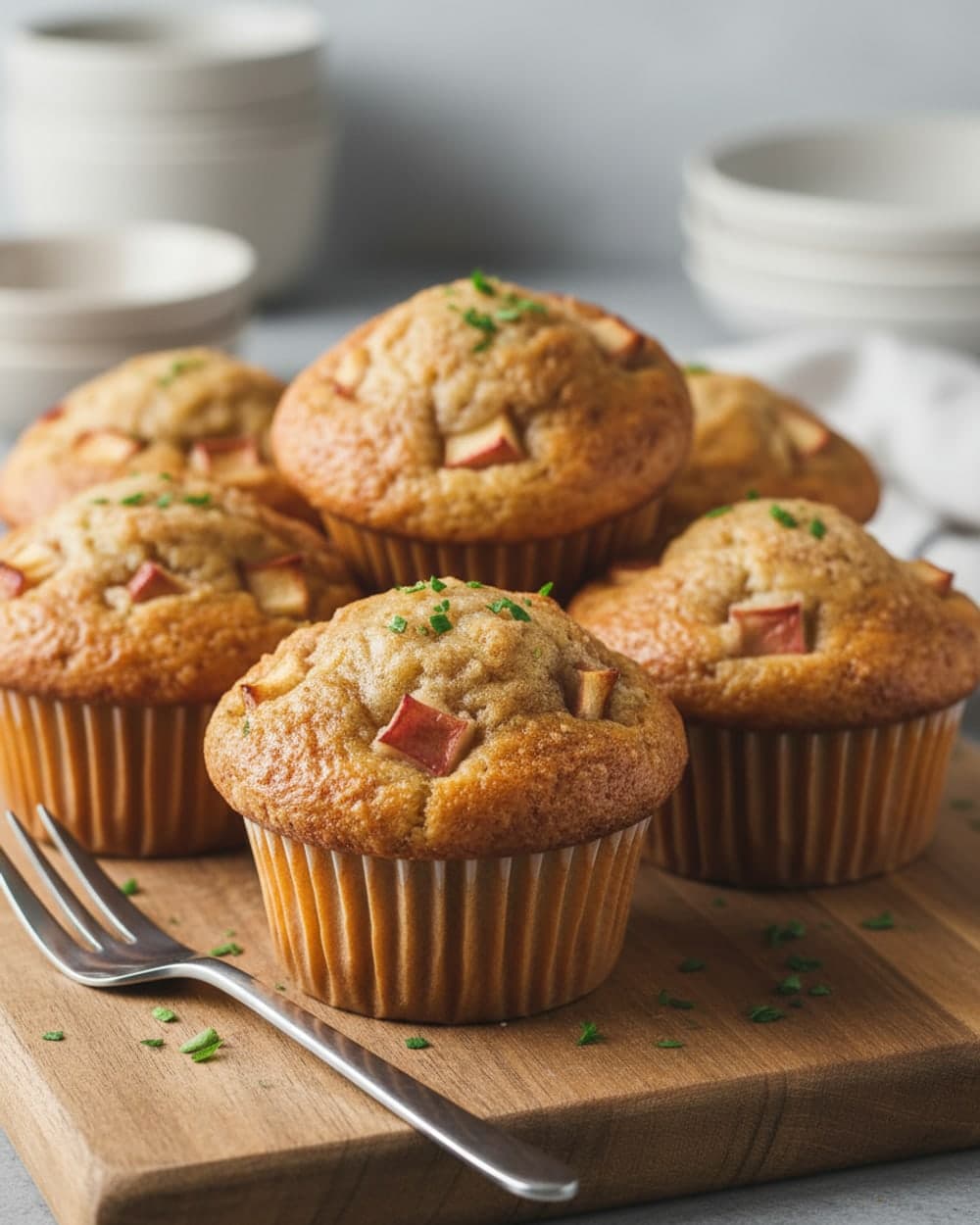
Apple Cinnamon Streusel Muffins
Grated apple and cinnamon make a soft, fragrant muffin with pockets of fruit throughout. Choose a firm apple so shreds retain some texture after baking. A simple oat-and-butter streusel gives surface contrast, but it makes method slightly more involved. Portion topping evenly before pan enters oven. This route favors classic coffee-shop character over cleaner, lighter finish of lemon or berry muffins. Use brown sugar for its deeper caramel note here too.
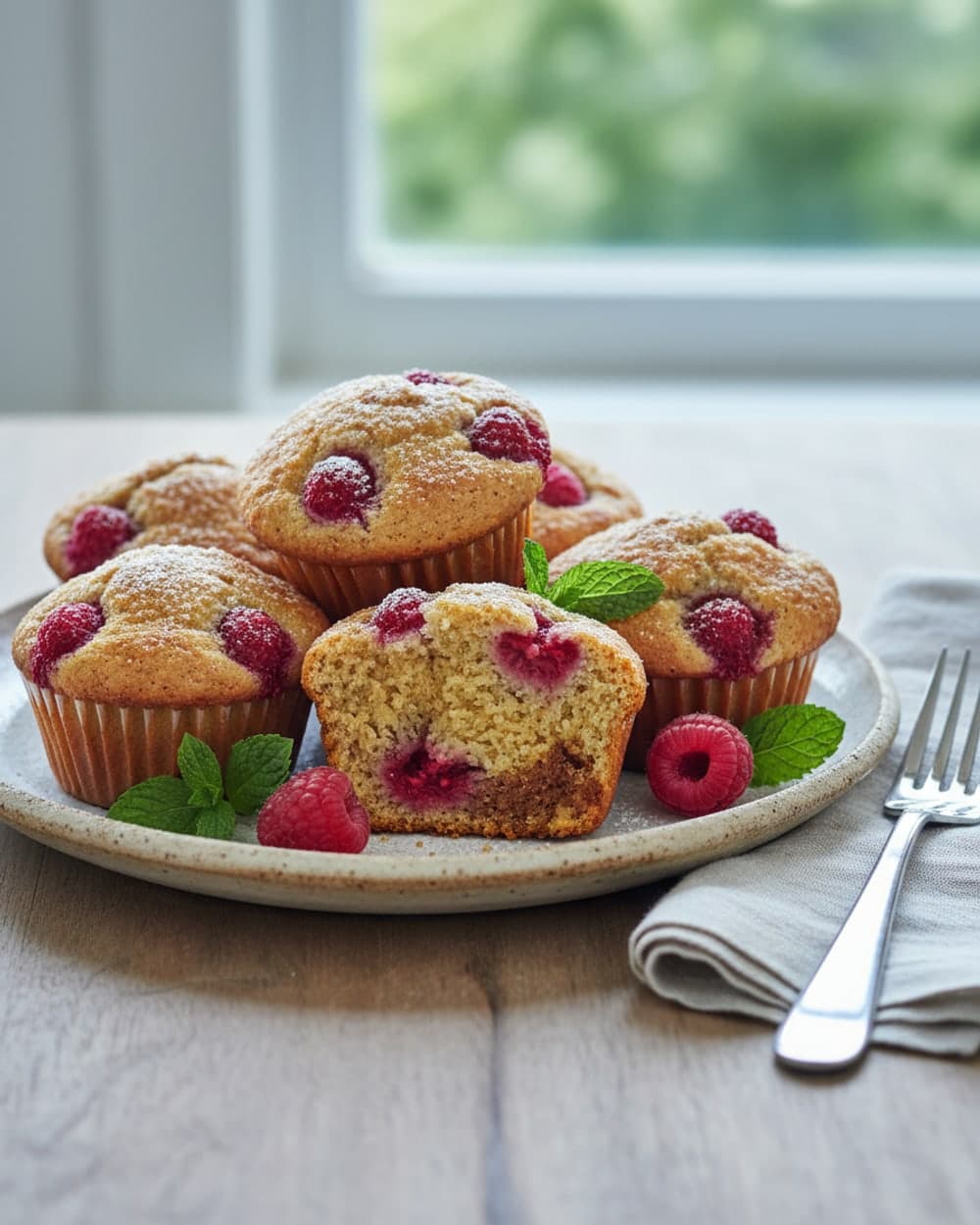
Raspberry Cornmeal Morning Muffins
Fine cornmeal brings gentle crunch and a golden color to a berry-based muffin. Raspberries work especially well because their tartness offsets a mildly sweet batter. Toss berries with a spoonful of dry ingredients before folding them through. Use paper liners if the fruit is especially juicy. This option has more texture than a smooth rice-flour muffin, making it a better fit beside coffee or a savory breakfast.
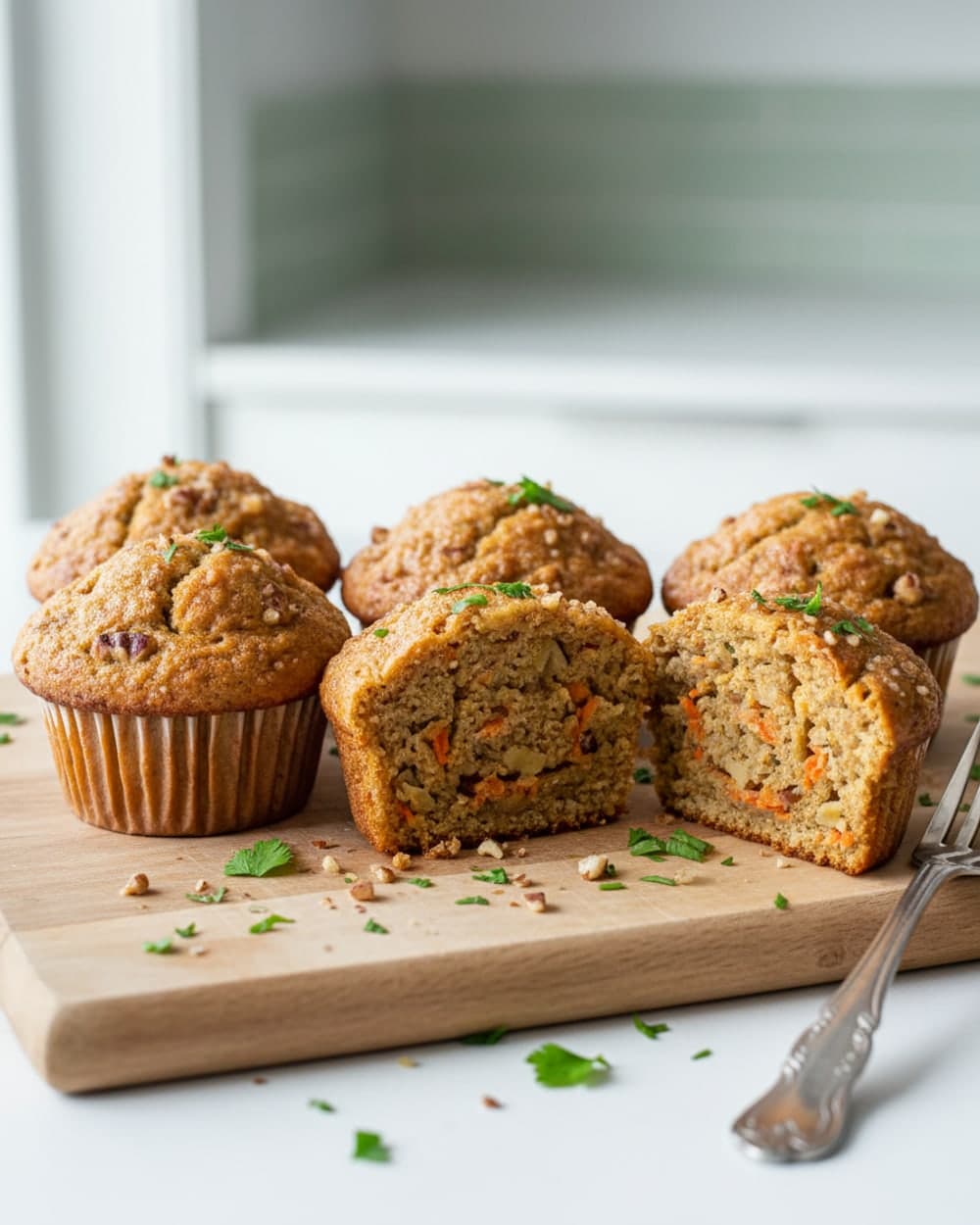
Carrot Ginger Pecan Muffins
Finely grated carrot adds moisture without turning the crumb dense or pudding-like. Fresh ginger and chopped pecans bring sharper flavor and a needed crunch. Squeeze excess liquid from very wet carrots before measuring them into batter. Keep the shreds fine so each muffin rises evenly. These are less sweet than bakery-style carrot cake muffins, leaving room for a tangy yogurt topping or a simple smear of butter at breakfast.
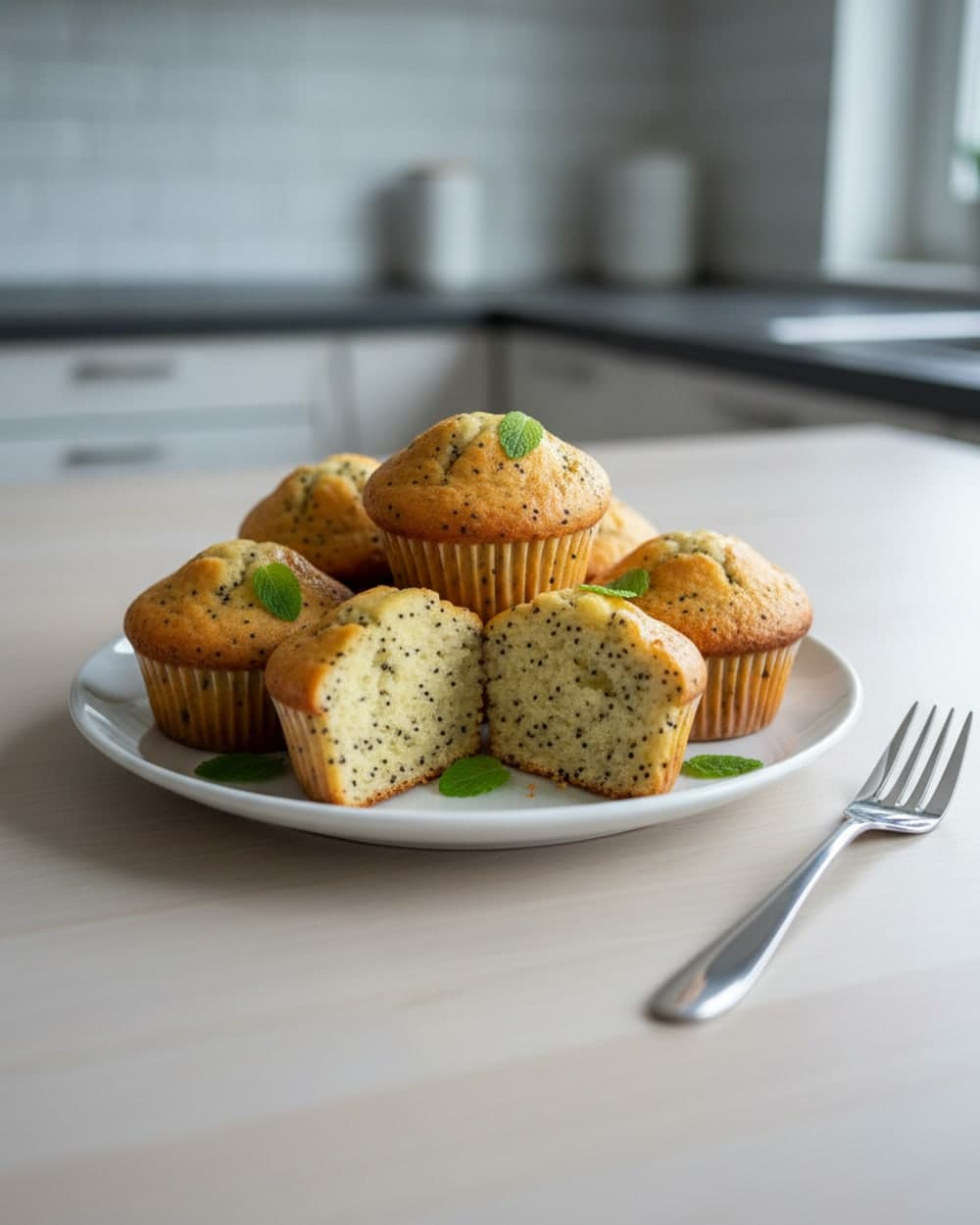
Lemon Poppy Seed Muffins
Lemon zest does the main flavor work here, while poppy seeds add a subtle crackle. Use juice sparingly because extra liquid can loosen a gluten-free batter quickly. Rub zest into sugar before mixing to distribute the citrus oils evenly. A short rest helps the dry ingredients absorb moisture before baking. Choose these when you want a bright, plain muffin without fruit pieces, nuts, chocolate, or a heavily spiced profile.
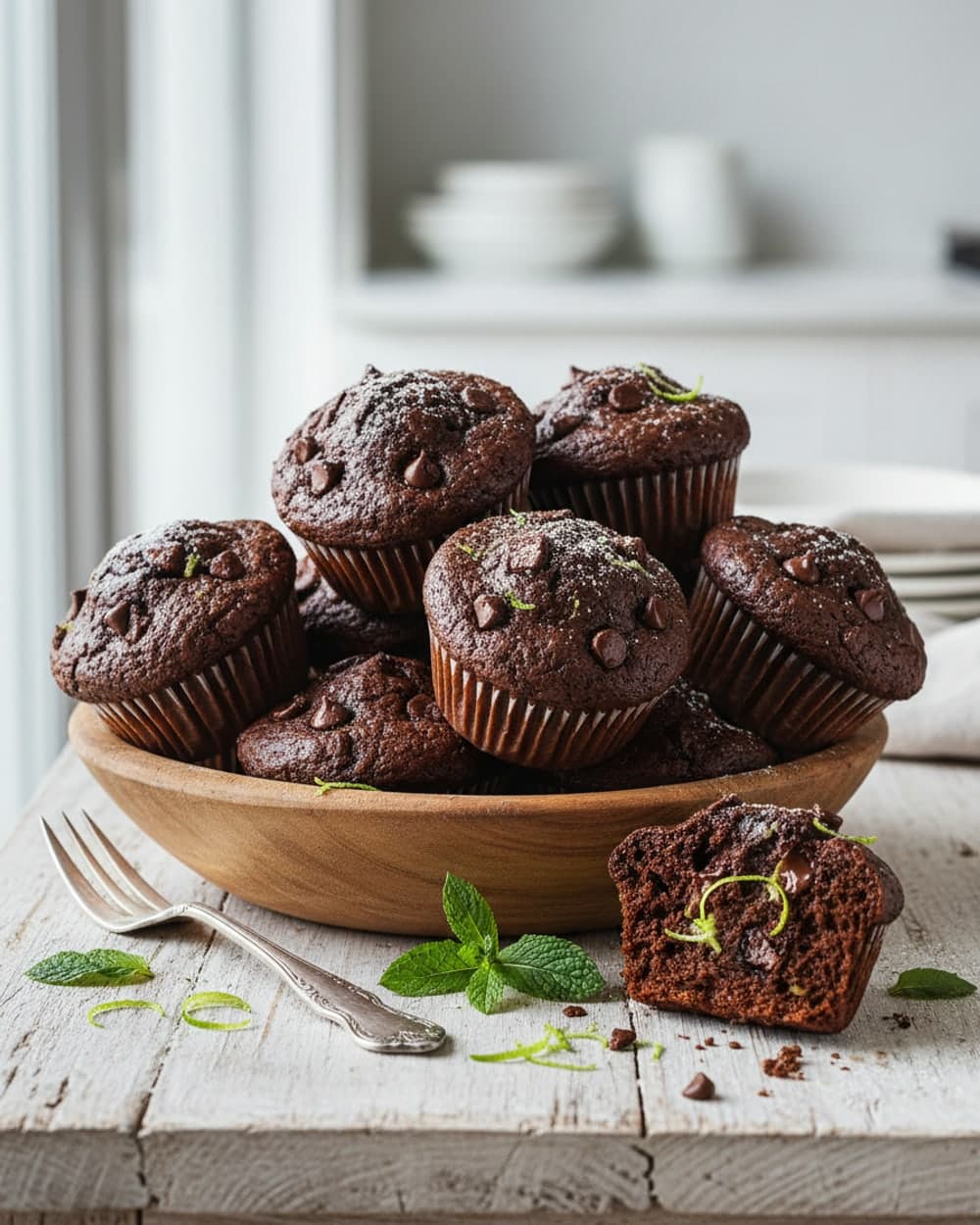
Double Chocolate Zucchini Muffins
Shredded zucchini brings moisture to chocolate muffins while keeping the vegetable flavor quiet. Cocoa powder and chocolate pieces create a darker, more intense direction than banana-based versions. Press the zucchini lightly if it releases a large amount of water. Mix dry ingredients thoroughly first to prevent cocoa pockets. This is a useful choice for anyone wanting a soft crumb, with the trade-off of a less defined dome than lighter batters.
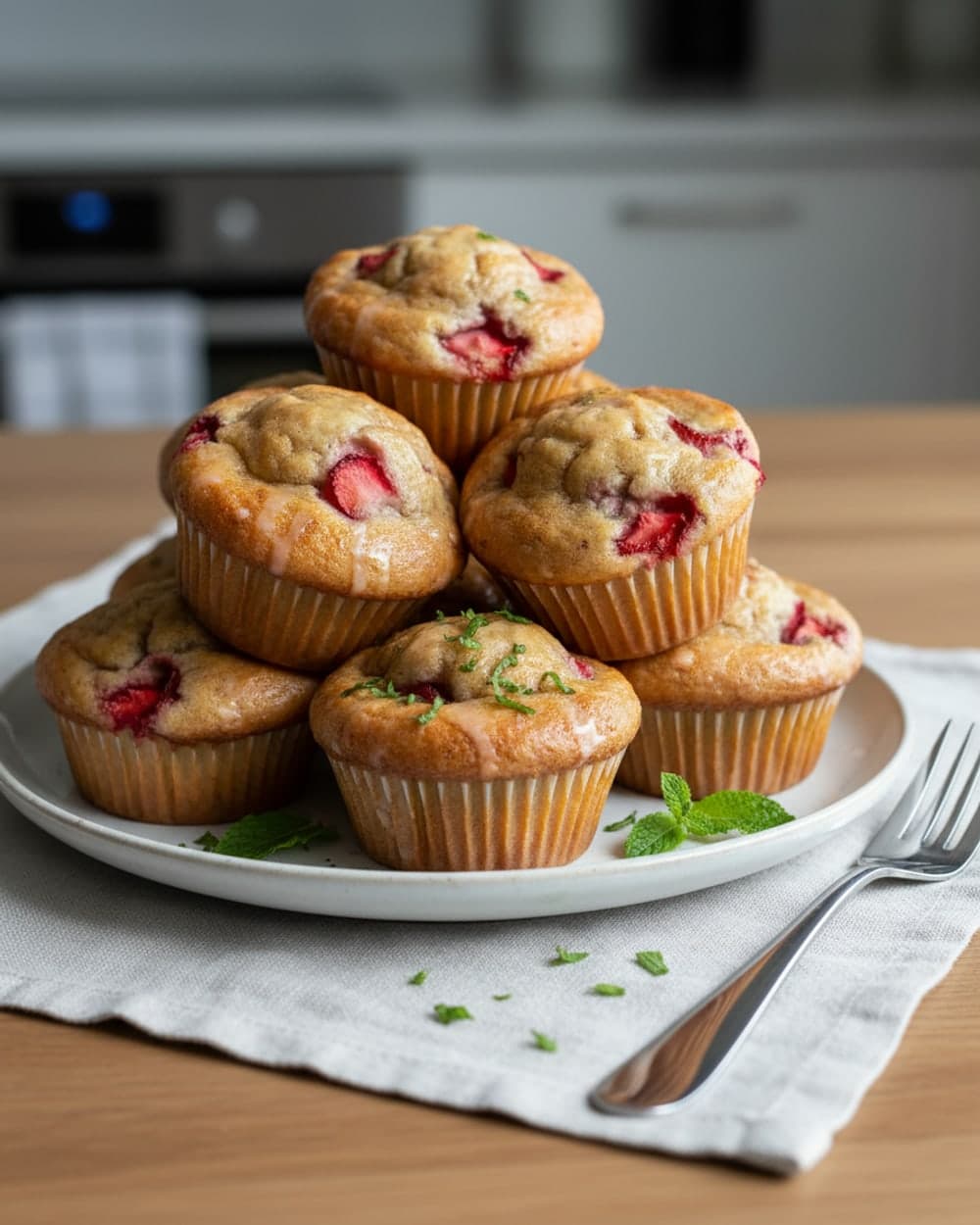
Strawberry Vanilla Yogurt Muffins
Yogurt provides tang and tenderness, and vanilla keeps strawberries from tasting flat after baking. Dice the berries small so they distribute through the batter without sinking. Pat fresh strawberries dry before they meet the bowl. A little starch supports the structure around the fruit. These muffins are gentler and less sweet than jam-filled options, making them a straightforward breakfast choice with fruit flavor in every bite rather than a sugary center.
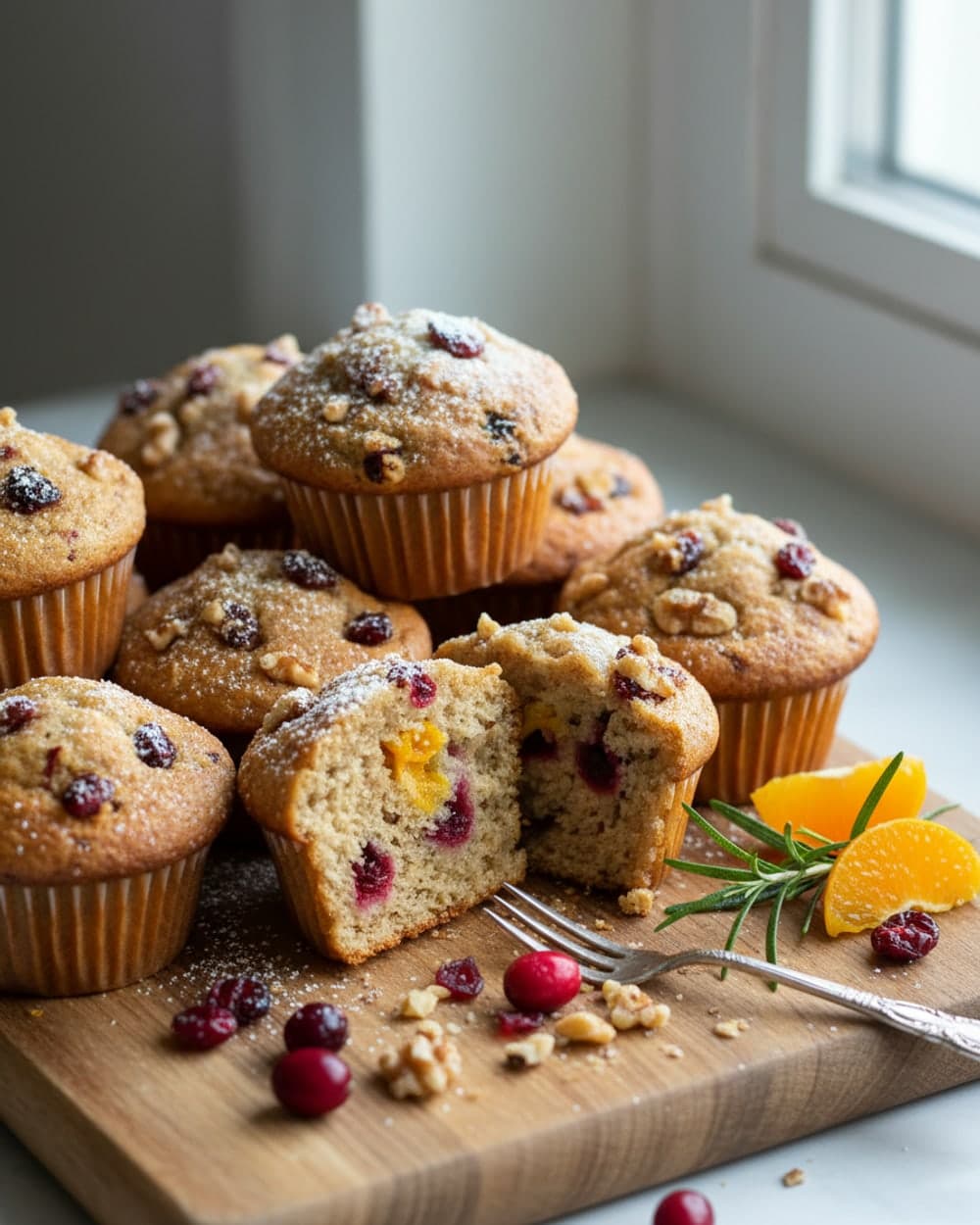
Cranberry Orange Walnut Muffins
Tart cranberries, orange zest, and walnuts make a muffin with strong contrast in each bite. Fresh or frozen cranberries both work when chopped coarsely before adding. Keep the orange flavor in the zest rather than adding substantial juice. Scatter a few walnut pieces over each portion for a visible finish. This one leans sharper and more seasonal than blueberry muffins, with nuttiness that balances the cranberry's direct acidity.
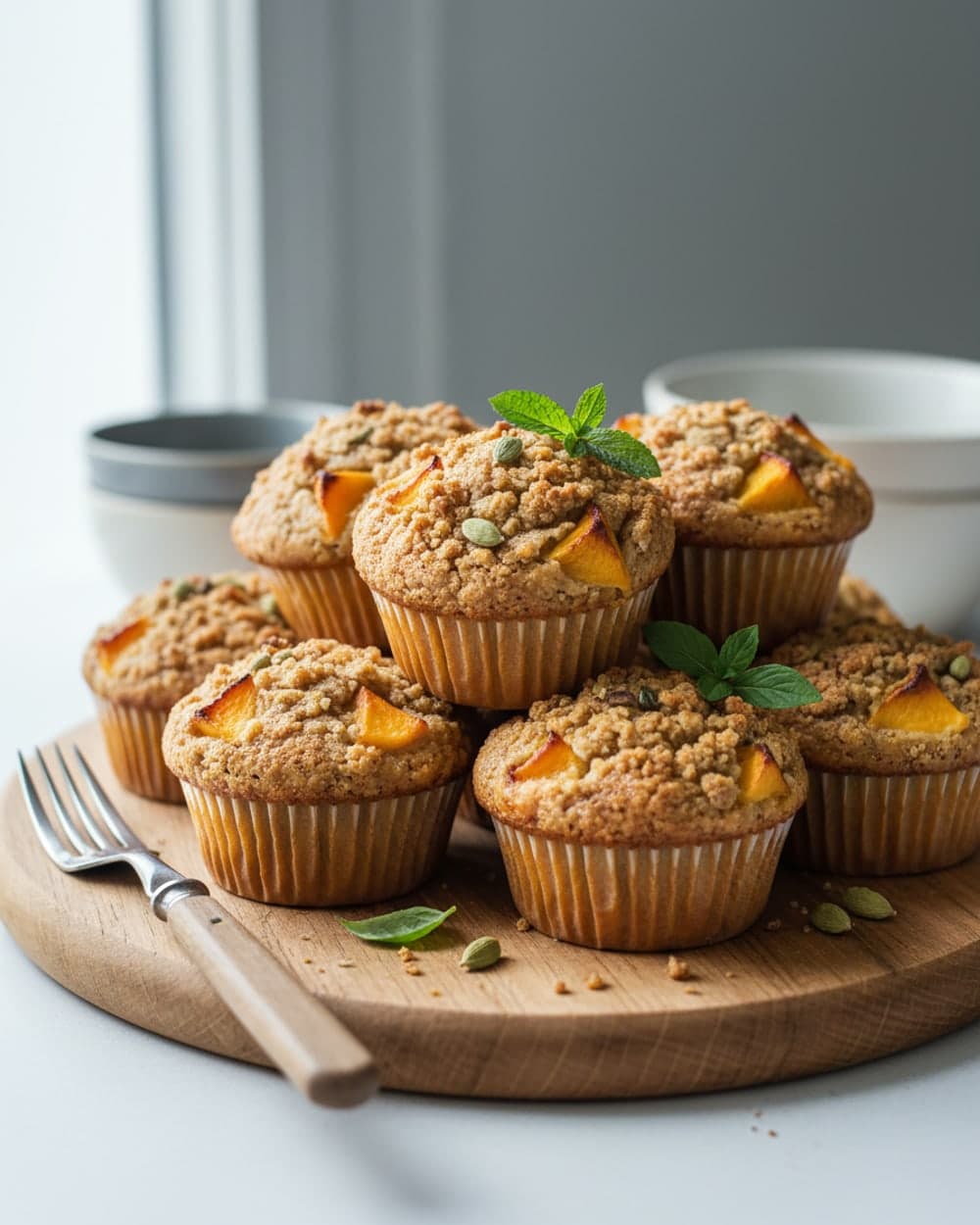
Peach Cardamom Crumble Muffins
Peaches and cardamom give these muffins a floral, rounded flavor that feels distinct from standard cinnamon. Use firm diced peaches and drain them well if using canned fruit. A light crumble topping adds texture without overwhelming the delicate fruit. Keep the cardamom measured, since it can dominate quickly. This recipe suits late-summer fruit planning, trading the tart lift of berries for a softer, honeyed profile and a more fragile crumb.
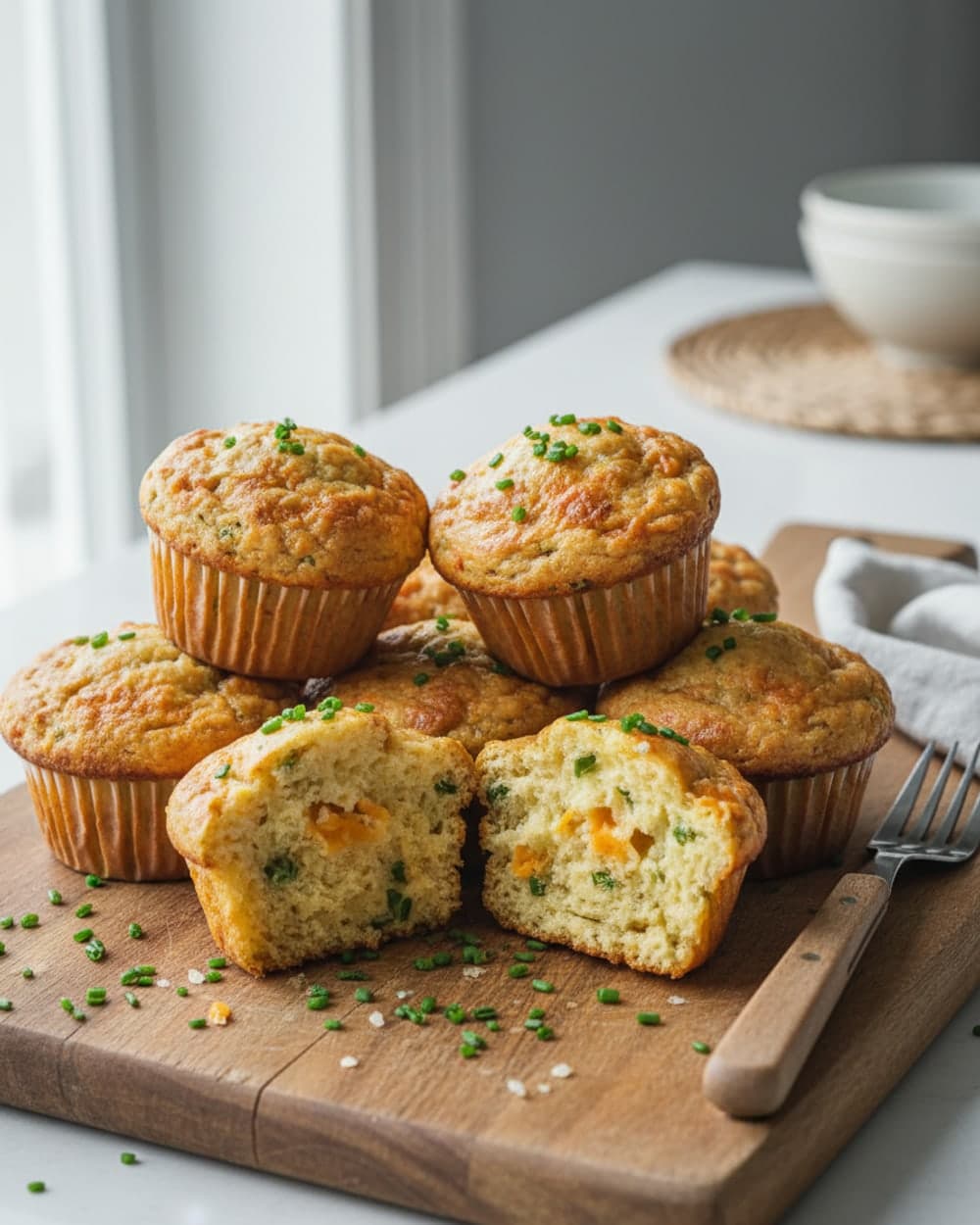
Savory Cheddar Chive Muffins
Cheddar and chives turn the muffin format toward a savory breakfast or soup side. Use a sharp cheese so a modest amount still carries through the crumb. Fold cheese in after the dry ingredients have been moistened. Spoon batter promptly because leavening begins working once wet ingredients combine. These offer a saltier direction than fruit muffins, with the trade-off of less sweetness and a better match for eggs, salads, or chili.
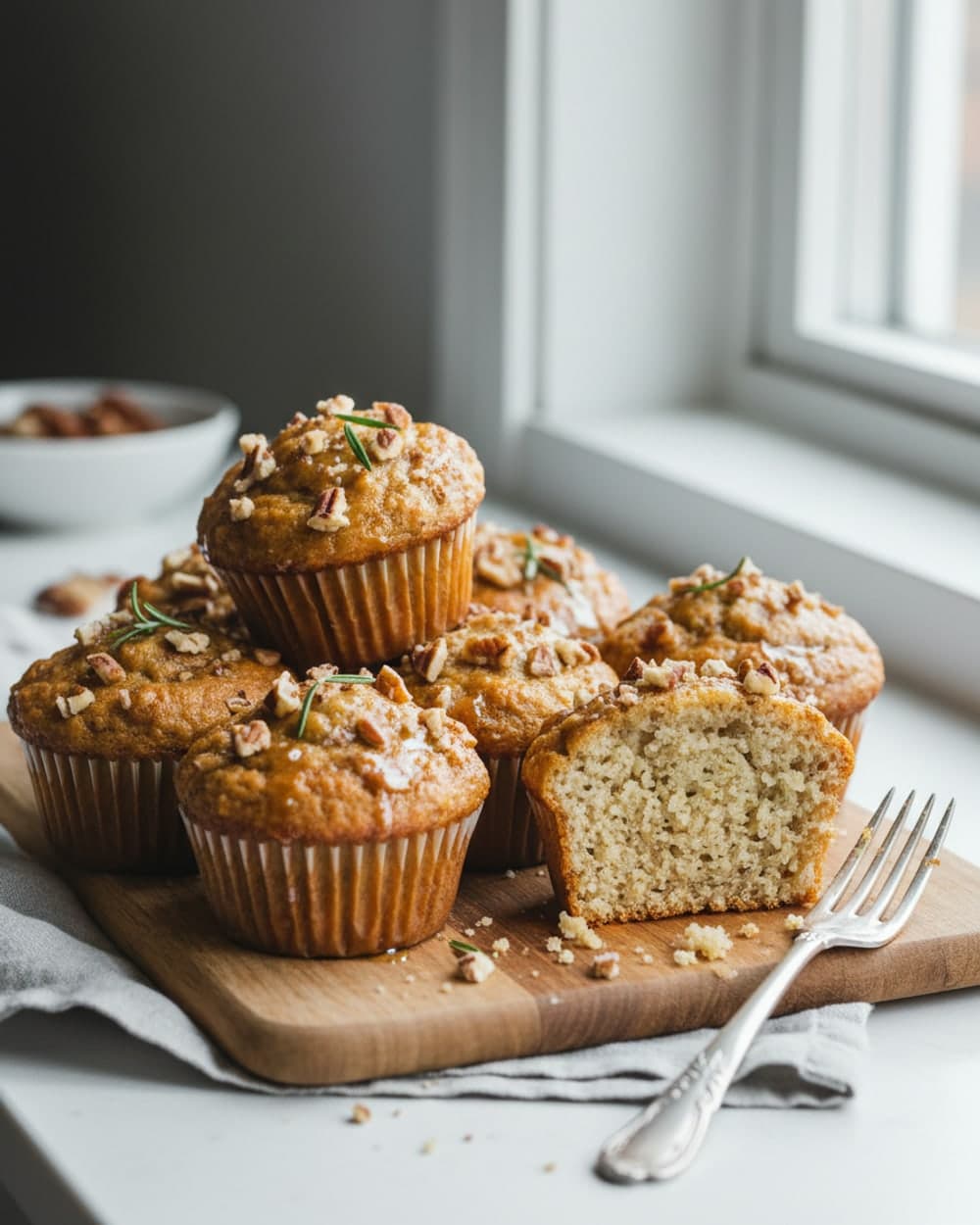
Maple Pecan Millet Muffins
Millet flour gives a mild, slightly sweet grain flavor that works naturally with maple and pecans. Blend it with a finer gluten-free flour for a less gritty texture. Toasted pecans deepen the flavor, though untoasted nuts still provide crunch. Let the batter rest briefly before portioning into the pan. This is a warm, grain-forward option, better for people who prefer subtle sweetness over a bright fruit or chocolate-heavy muffin.
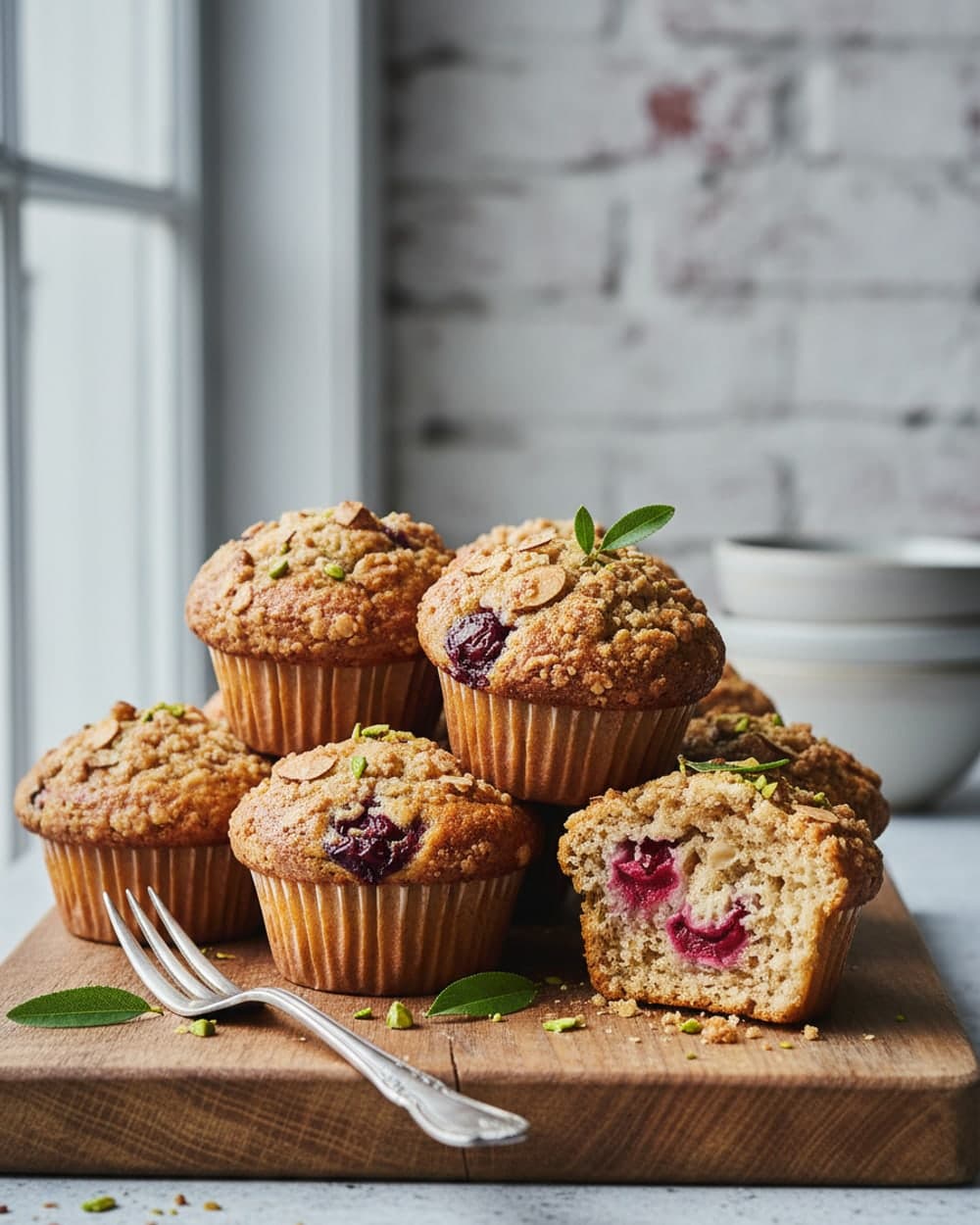
Cherry Almond Crumb Muffins
Cherries and almond extract create a focused flavor combination without needing a long ingredient list. Use chopped cherries so large pieces do not pull the crumb apart. Almond flour can add tenderness, while a separate starch keeps the structure lighter. Finish with sliced almonds for surface texture. These feel richer than a berry muffin, with a deeper fruit profile and a nutty finish that carries well into an afternoon snack.
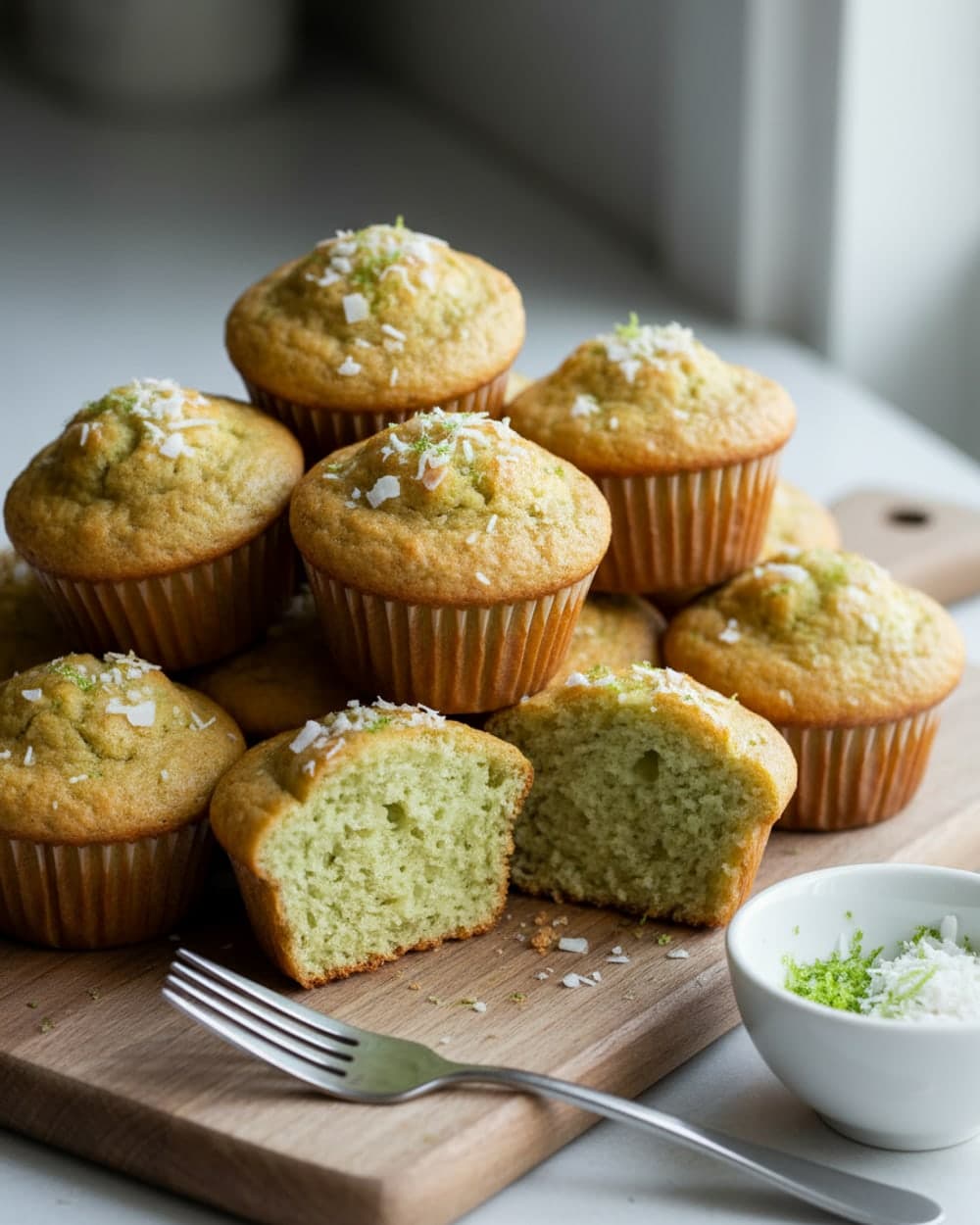
Coconut Lime Breakfast Muffins
Unsweetened coconut adds chew, and lime zest gives the batter a clean, sharp edge. Choose finely shredded coconut for a more even crumb and easier portioning. Keep lime juice limited, then use zest for the stronger citrus impression. A small amount of vanilla rounds out the tart notes. This is a brighter alternative to lemon poppy seed, with tropical character and a noticeably more textured finish from the coconut.
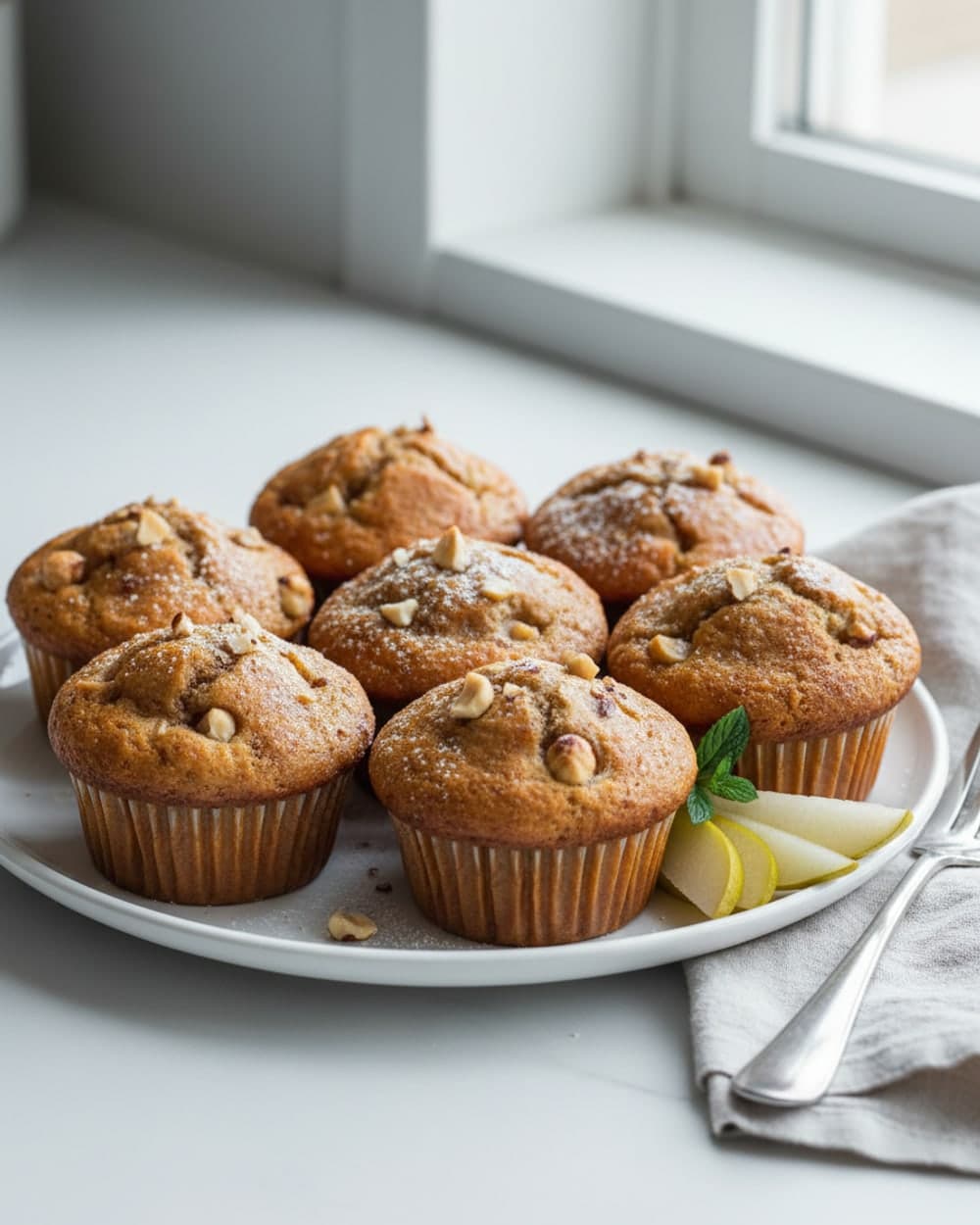
Pear Hazelnut Spice Muffins
Diced pear brings gentle sweetness and moisture, while hazelnuts provide a roasted counterpoint. Pick pears that are ripe but still firm enough to dice neatly. Cinnamon and nutmeg support the fruit without covering its delicate flavor. Spread the batter evenly because fruit pieces can make portions inconsistent. These muffins have a softer flavor than apple versions, trading bold spice for mellow fruit and a distinctly nutty, toasted finish.
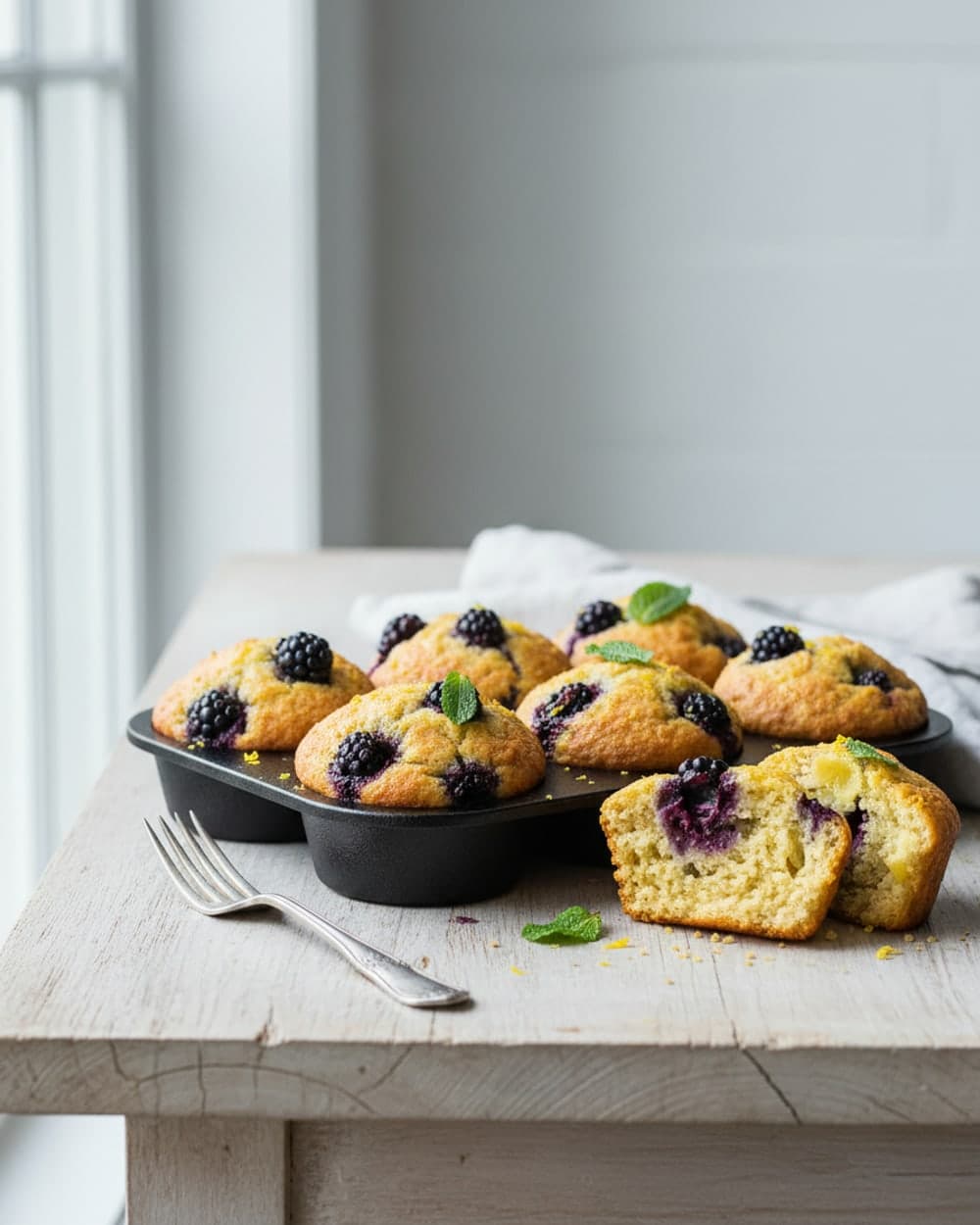
Blackberry Lemon Corn Muffins
Blackberries bring juicy pockets to a cornmeal muffin, and lemon prevents the flavor from becoming too heavy. Halve large berries so they do not create wet gaps through the center. Fine cornmeal gives the most even texture in a standard muffin pan. Add lemon zest directly to the dry ingredients before mixing. This option balances rustic grain texture with fresh fruit, unlike smoother almond-flour muffins that stay uniformly tender throughout.
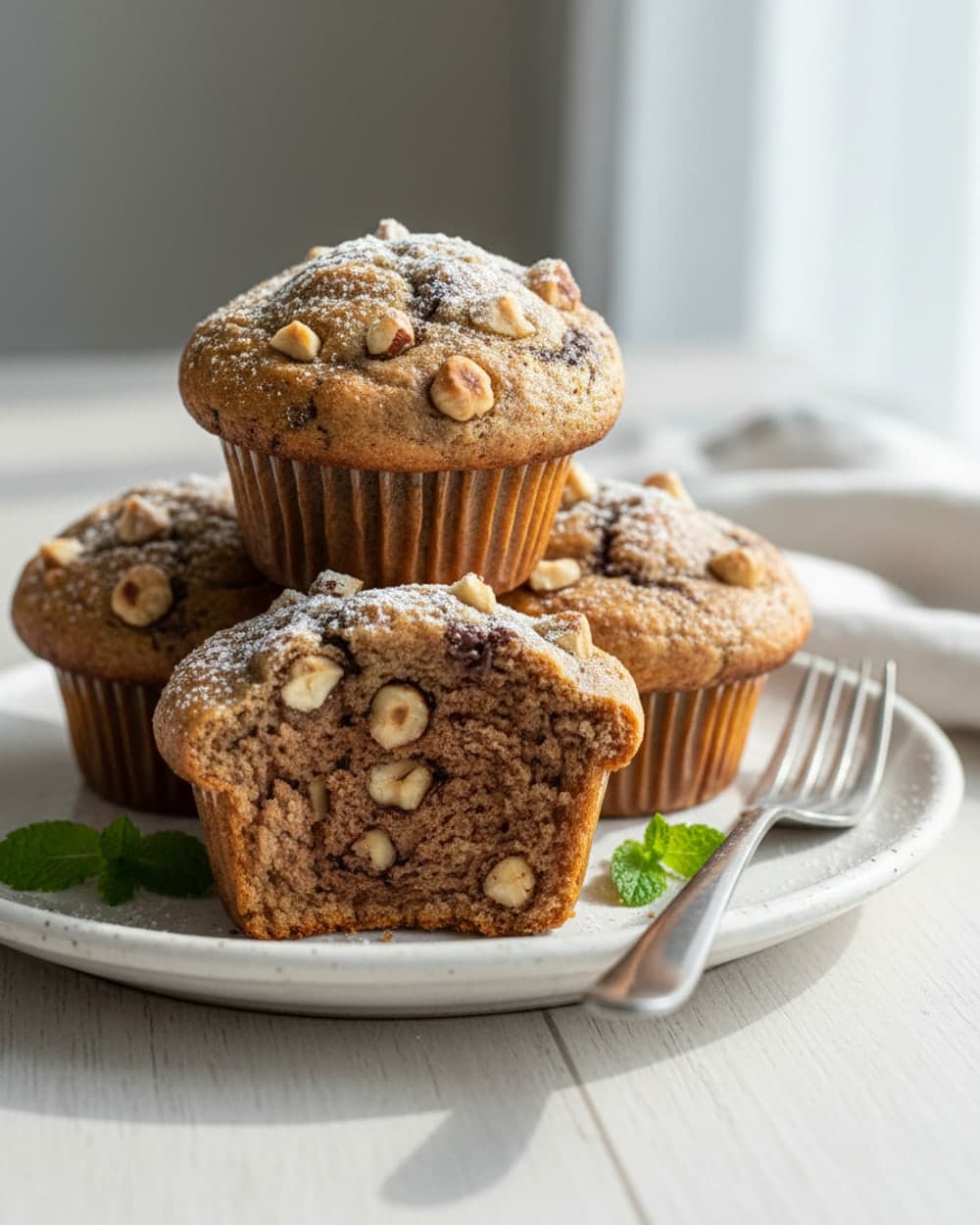
Mocha Hazelnut Breakfast Muffins
Cocoa, coffee, and hazelnuts make a breakfast muffin with a deep, roasted flavor profile. Use instant espresso powder for concentrated coffee flavor without thinning the batter. Chop hazelnuts small enough that they do not weigh down the tops. Keep the cocoa sifted to avoid dry pockets in the mixture. This version is more intense than chocolate chip muffins, with less sweetness and a distinctly coffee-led finish for morning planning.
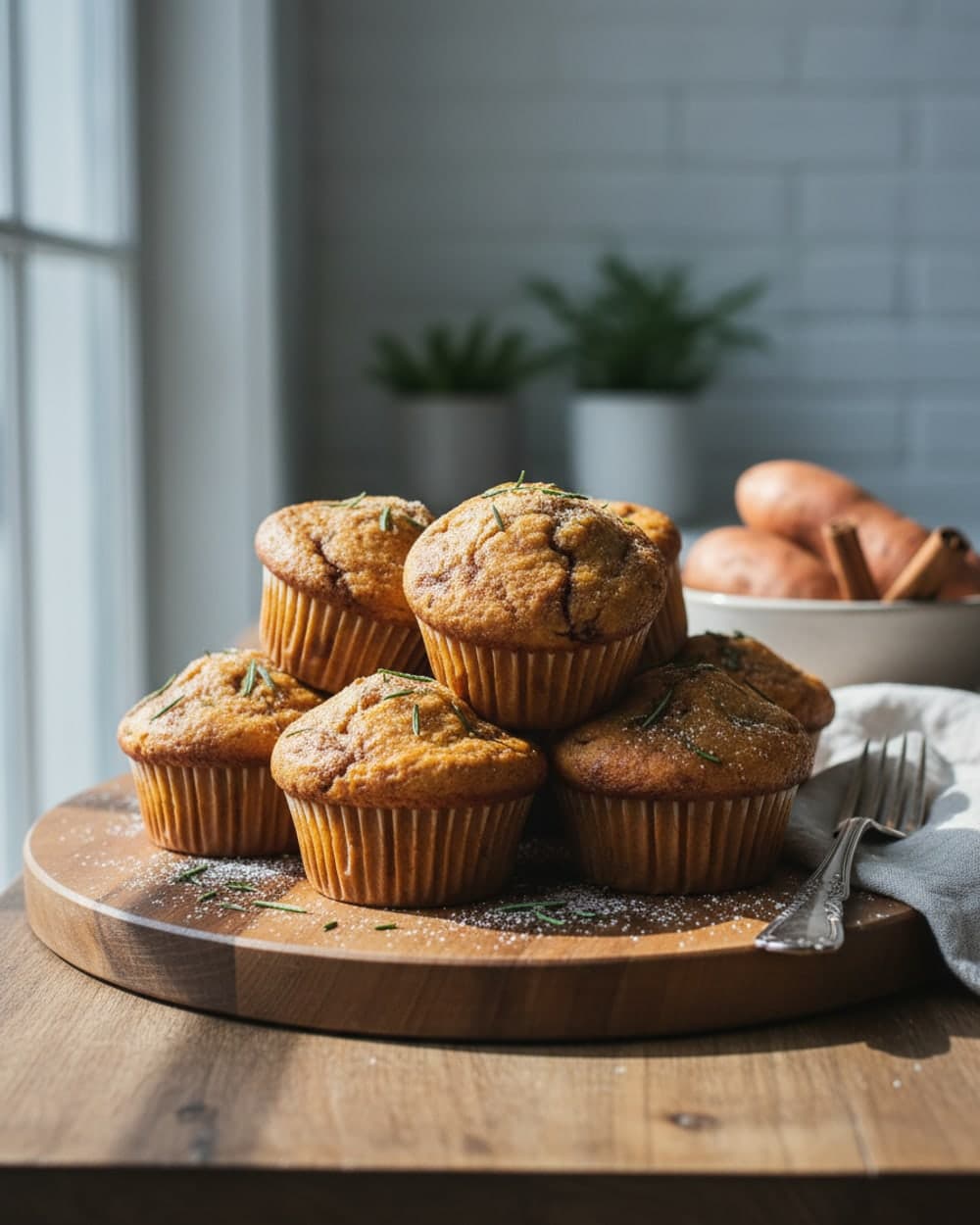
Sweet Potato Cinnamon Muffins
Mashed sweet potato gives these muffins a naturally soft interior and a warm orange color. Cinnamon, nutmeg, and a pinch of ginger build flavor without needing a heavy topping. Use smooth mashed potato with no added butter or liquid. Whisk wet ingredients completely before combining them with the flour mixture. These are sturdier than pumpkin muffins, trading a lighter squash flavor for a denser texture and more pronounced earthy sweetness.
Before you go
Save a few flavor directions now, then build a short baking plan around the fruit and flour you already have. Start with one dependable base, make notes on batter thickness and fill level, and change only one element next time. That approach makes it easier to identify the combinations worth keeping in your breakfast rotation, without buying a separate collection of specialty ingredients for every batch.

Save this for later
Gluten Free Muffins That Rise
Tags
- gluten-free-muffins
- gluten-free-baking
- breakfast-recipes
- muffin-recipes
Read next
Gluten Free
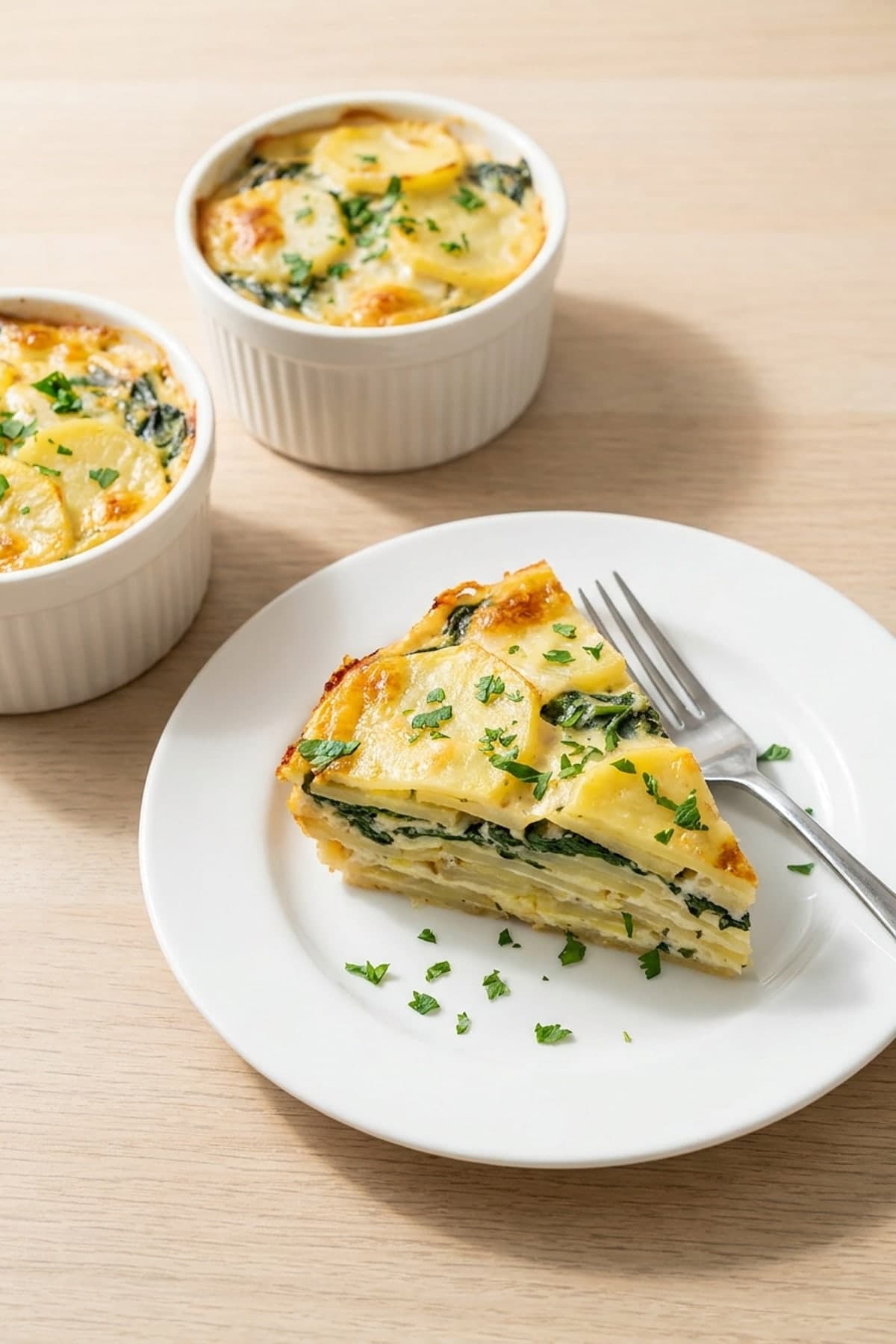
35 Gluten Free Recipes With Ordinary Grocery Ingredients
Plan practical gluten free recipes with chicken, eggs, vegetables, rice, potatoes, beans, and pantry staples already found at most stores.
Meal Prep
- Gluten-free
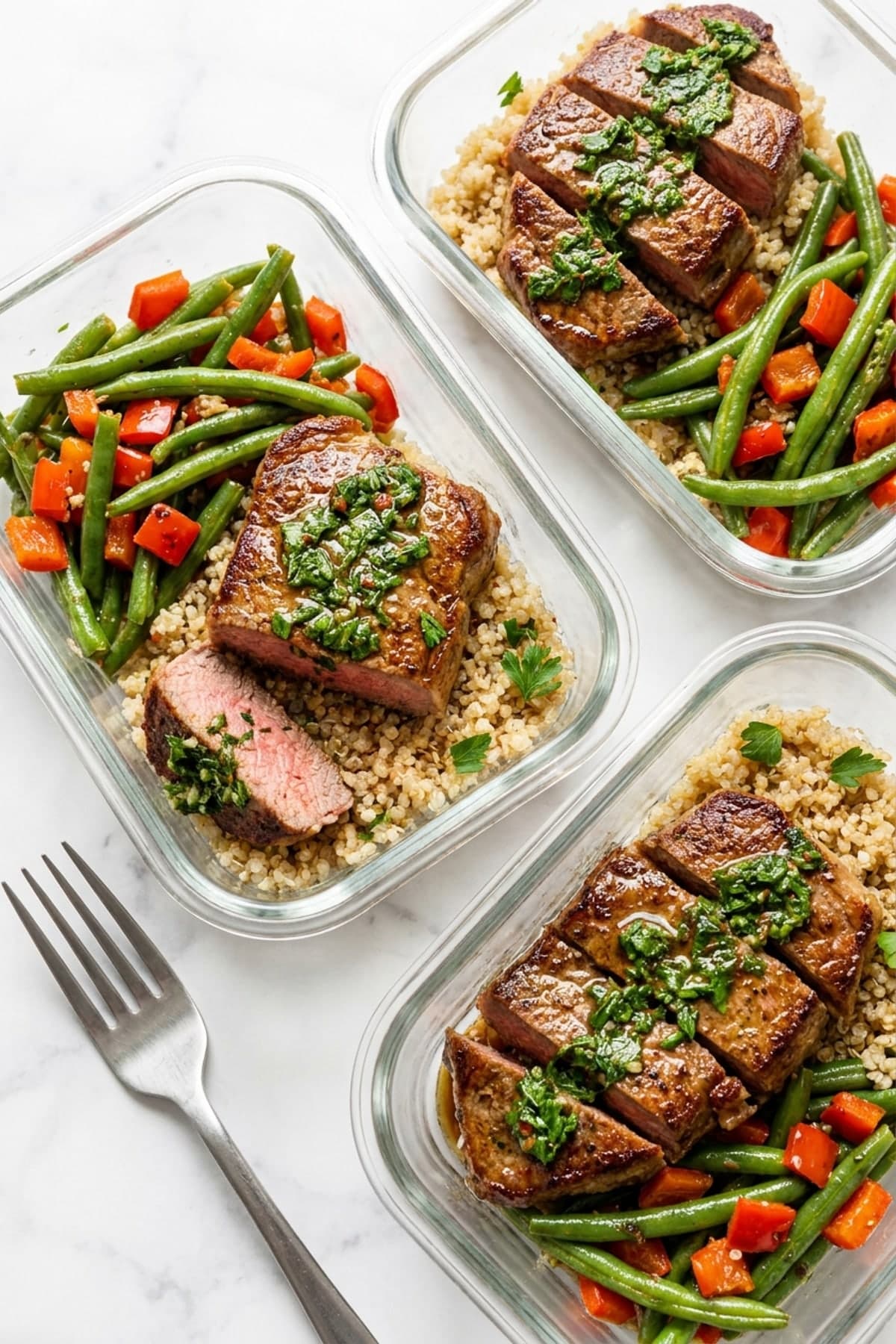
Gluten Free Meal Prep: Pack Chimichurri Steak Boxes
50 min total4 servings44.8g protein479 kcal
Sear steak, roast peppers and green beans, and pack four quinoa boxes with chimichurri kept bright in separate sauce cups.

Gluten Free
- Sheet pan
Gluten Free Chicken Recipes: Lemon Herb Sheet Pan
40 min totalServes 436.6g protein335 kcal
Make this gluten free chicken recipe with lemon herb thighs, zucchini, peppers, and onion on one pan for a dependable dinner rotation.
Gluten Free
- Sheet pan
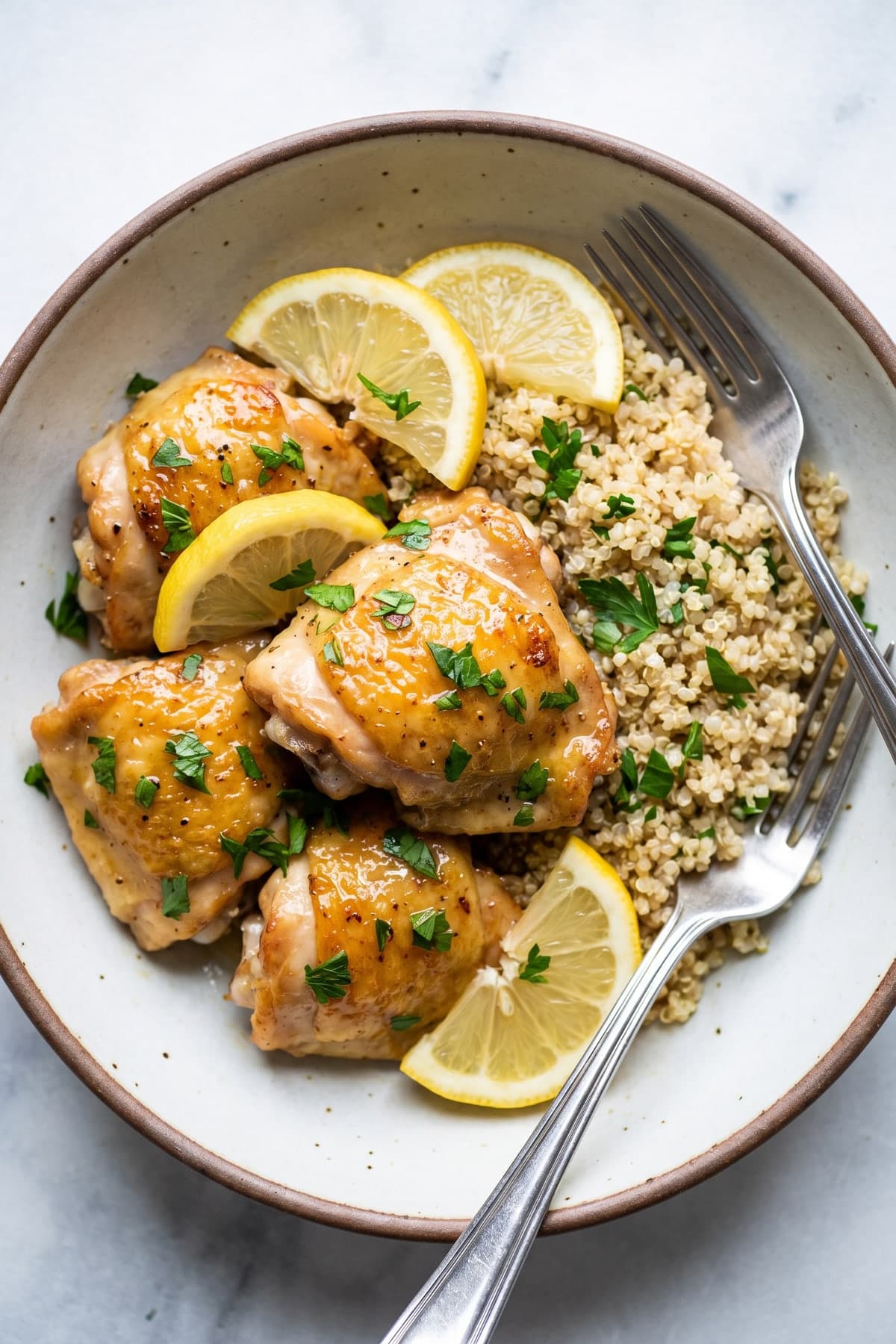
Healthy Gluten Free Recipes: Lemon Chicken Quinoa Bowls
45 min total4 servings47.3g protein479 kcal
Build a reliable gluten-free dinner with lemon-herb chicken, quinoa, zucchini, peppers, tomatoes, and parsley in one practical bowl.

Gluten Free
Gluten Free Recipes for No-Fuss Grocery Lists
Plan simple gluten free recipes with chicken, rice, potatoes, beans, vegetables, and familiar seasonings from a regular grocery list.

Gluten Free
- Dairy-free
Dairy Free Gluten Free Recipes: Lemon Chicken Skillet
35 min total4 servings36.1g protein301 kcal
Start with a dairy-free, gluten-free lemon chicken skillet with capers, spinach, and a bright garlic pan sauce for an easy dinner rotation.