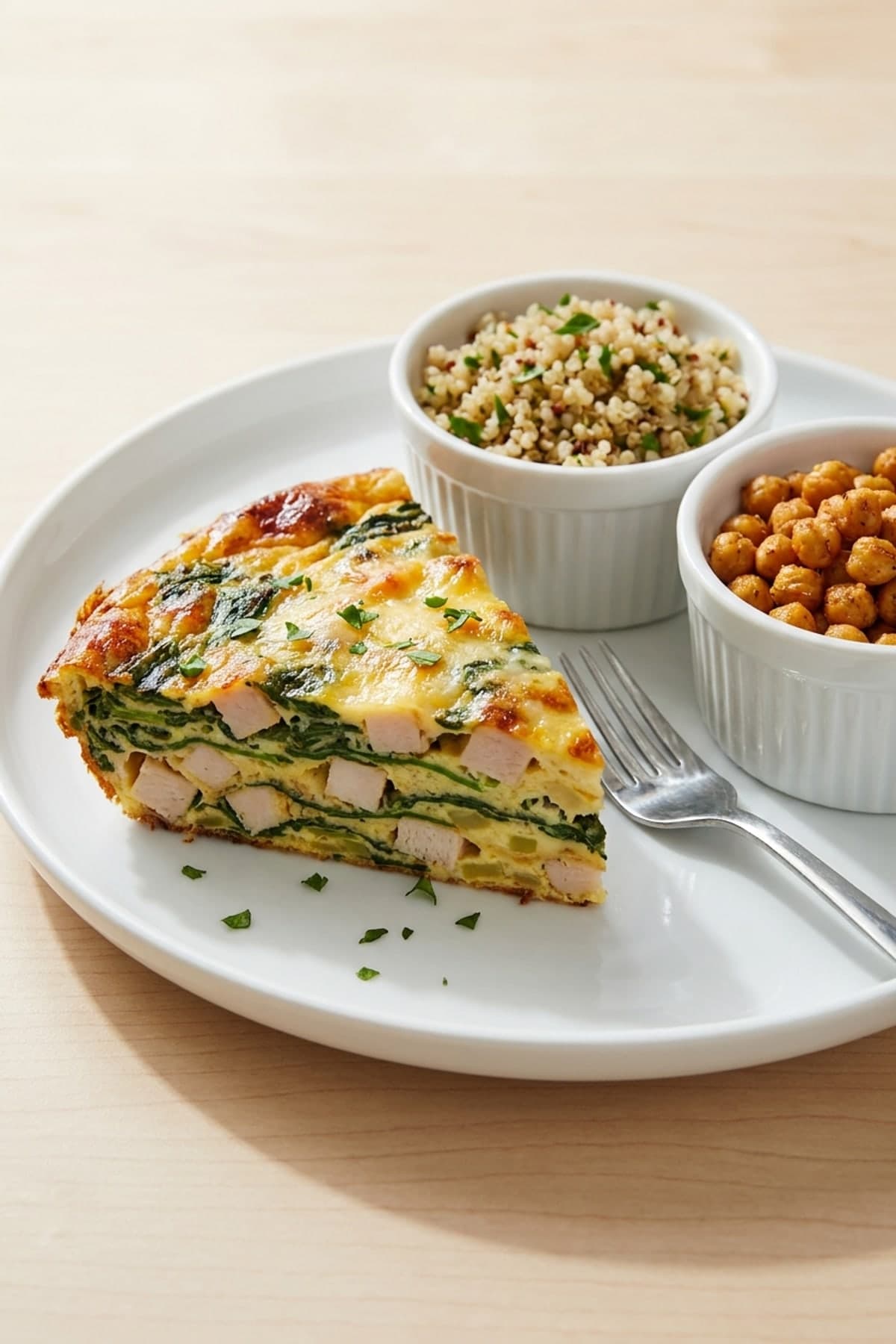
High Protein Lunch Ideas for Portion Planning
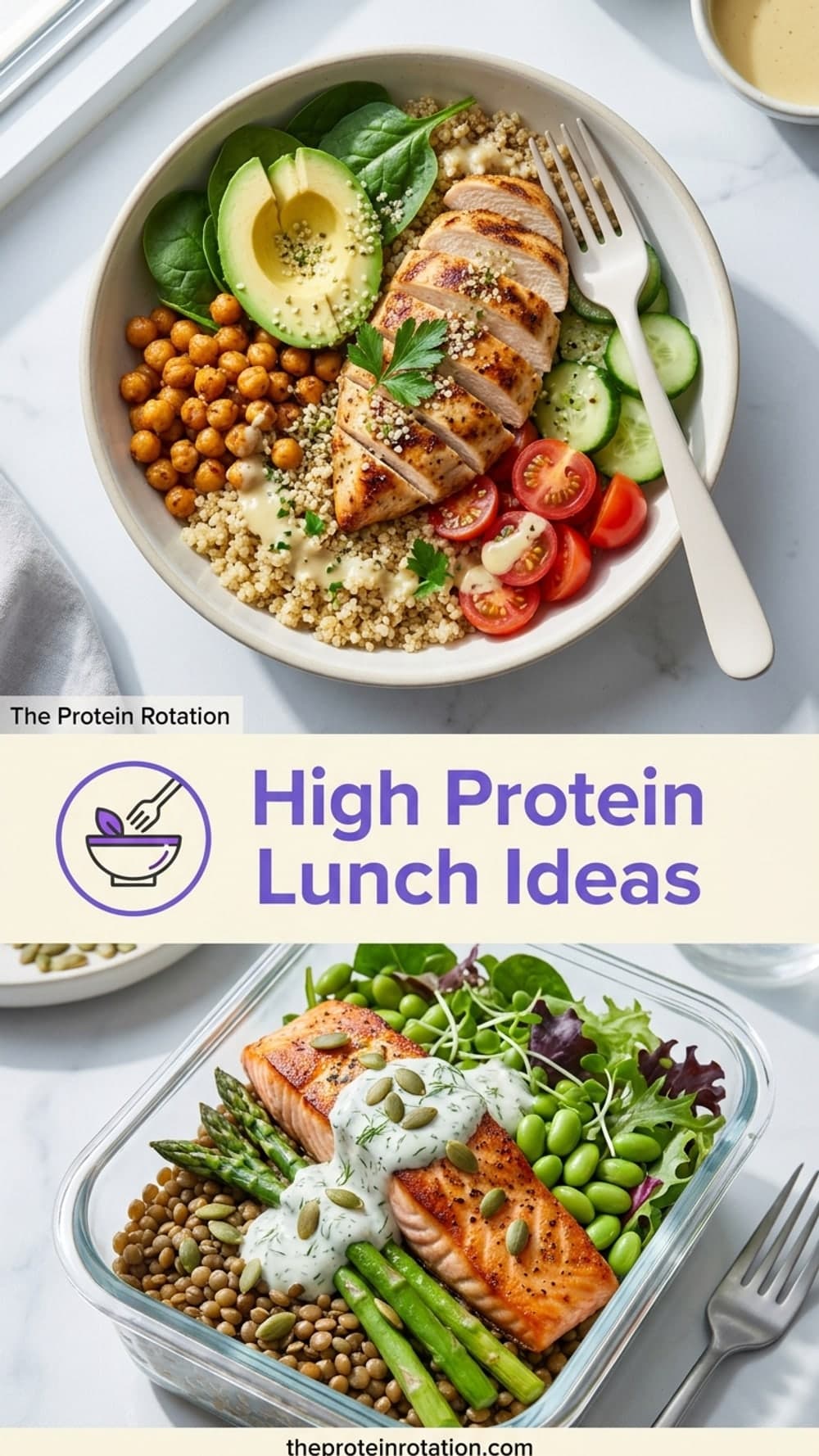
High protein lunch ideas work best when the portion is planned before the vegetables, sauce, and starch. This collection organizes 31 lunch directions into paired formats rather than attaching unverified protein totals. Most cards give two related builds, while the chicken card gives three, so you can choose combinations that fit ingredients and schedule. The anchor is a substantial cooked protein, then crunchy produce, a sharp dressing, and a deliberate carbohydrate choice where wanted.
The numbers for protein grams per portion need an auditable calculation, not supplied here. Use these combinations as planning templates, then calculate ingredients before logging.
15 recipes in this roundup
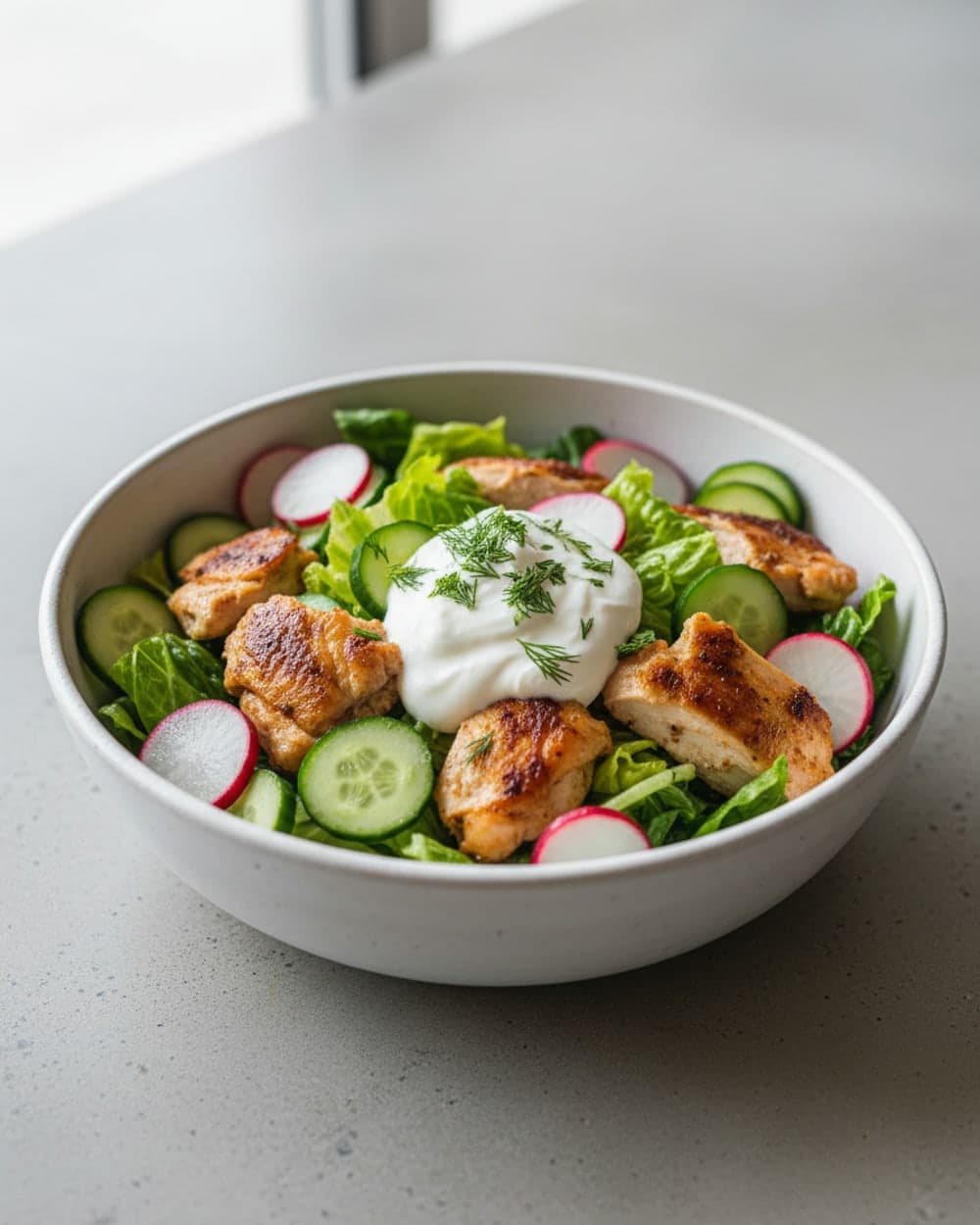
Chicken Crunch Bowls
Pair chopped chicken with romaine, cucumber, radish, and a yogurt dressing for one bowl. A second direction uses shredded chicken with cabbage, cilantro, lime, and avocado. A third combines chicken, tomato, basil, and mozzarella with balsamic vinegar. Keep grains optional; a scoop of rice changes balance without becoming the base. Pack dressing separately to preserve vegetables’ texture. Build versions around a chicken portion, then calculate protein from package or recipe records you use.
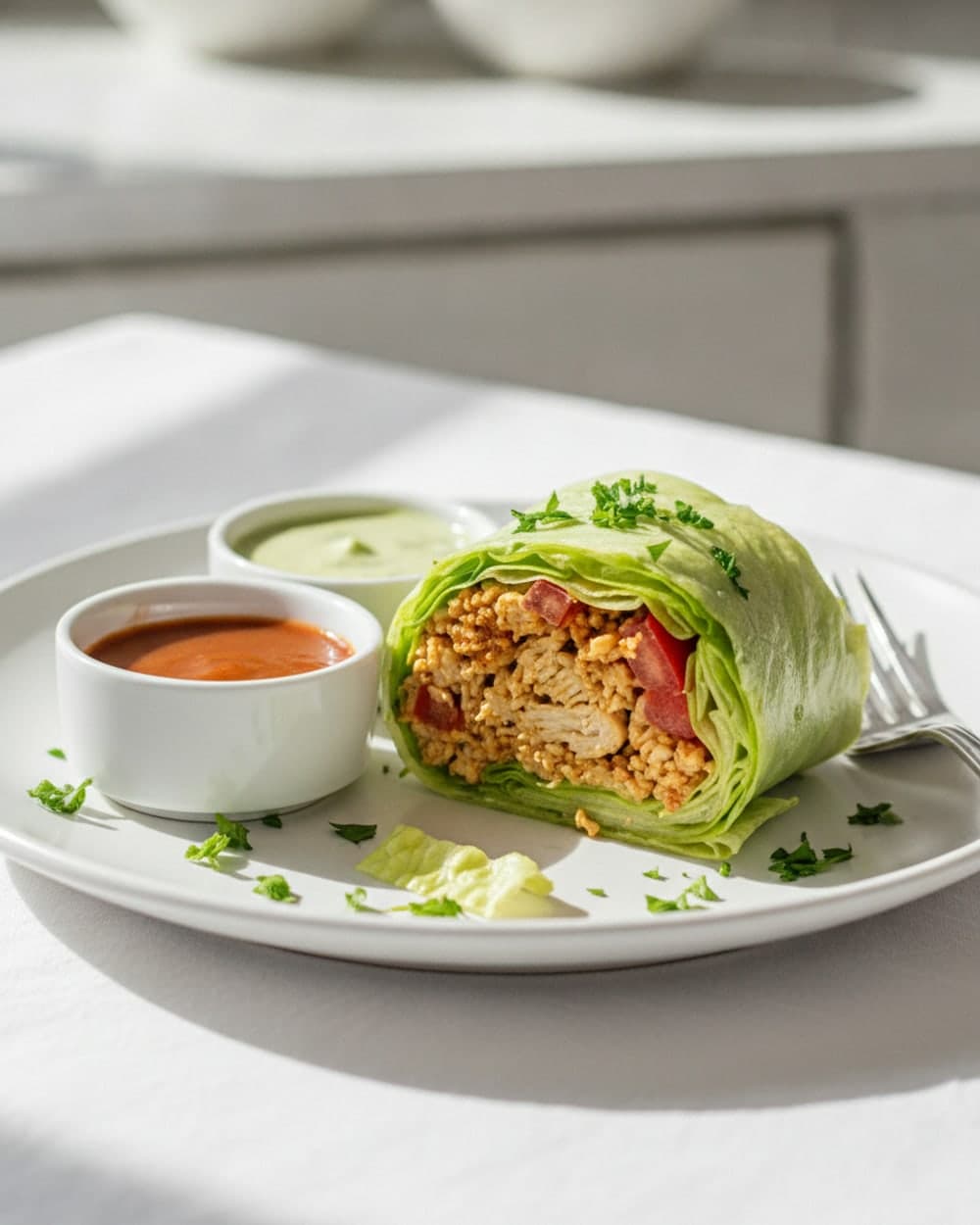
Turkey Lettuce Wraps
Season ground turkey with garlic, cumin, and chile, then spoon it into lettuce leaves. A second lunch uses sliced turkey, tomato, cucumber, and mustard in collard wraps. Add roasted peppers or pickled onions for contrast instead of a spread. Prepare enough filling for several containers, but leave the leaves dry until packing. Record the cooked turkey amount and any cheese separately, because those choices determine the protein total more than the vegetables do.
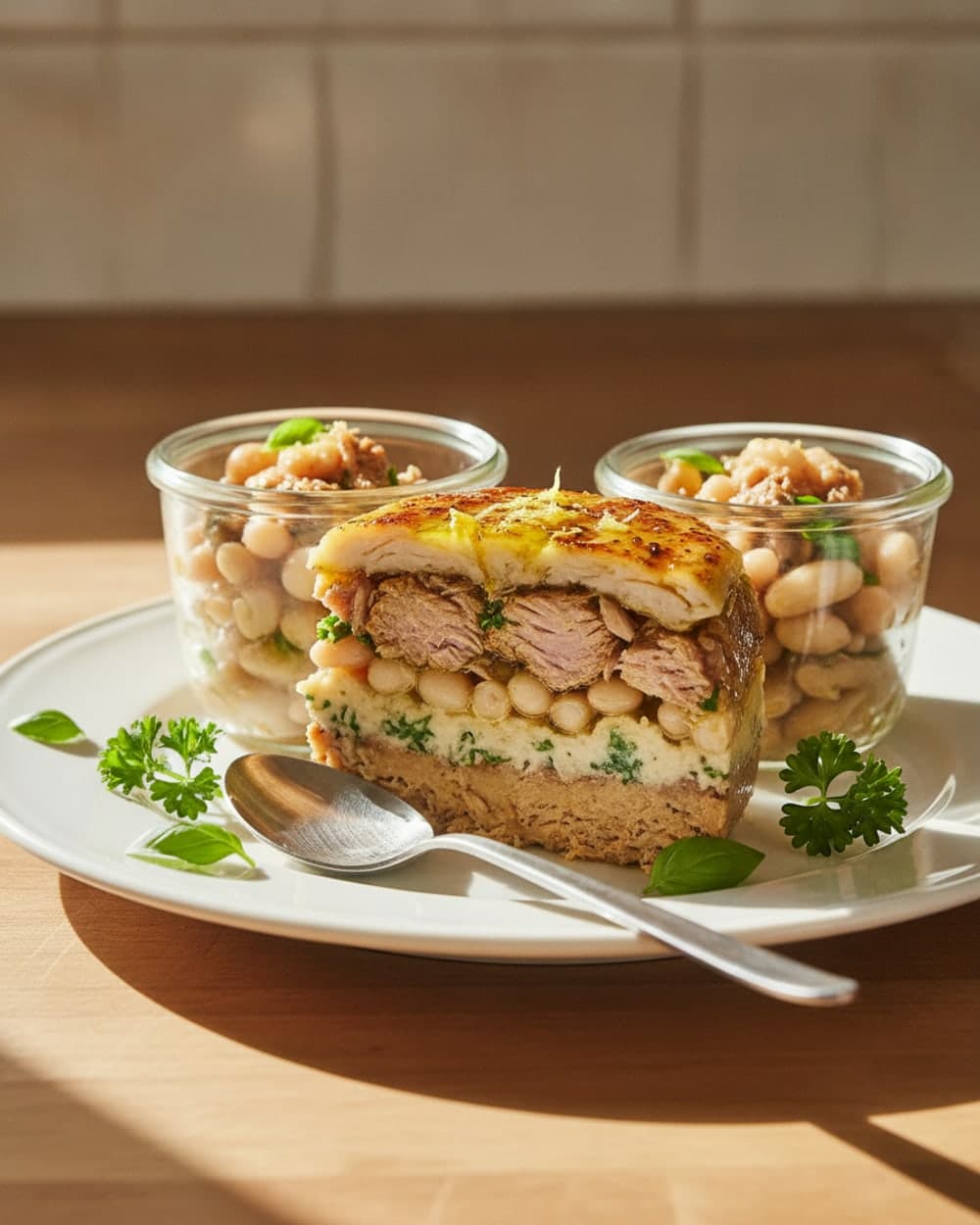
Tuna Bean Jars
Layer tuna, white beans, celery, red onion, and parsley in jars for a forkable lunch. The alternate jar combines tuna with chickpeas, chopped peppers, and a vinegar dressing. Beans bring carbohydrate as well as protein, so their portion deserves attention as the fish. Keep leafy greens in a separate container if you want them crisp. Calculate each jar from drained tuna weight and the bean quantity, rather than relying on a estimate.
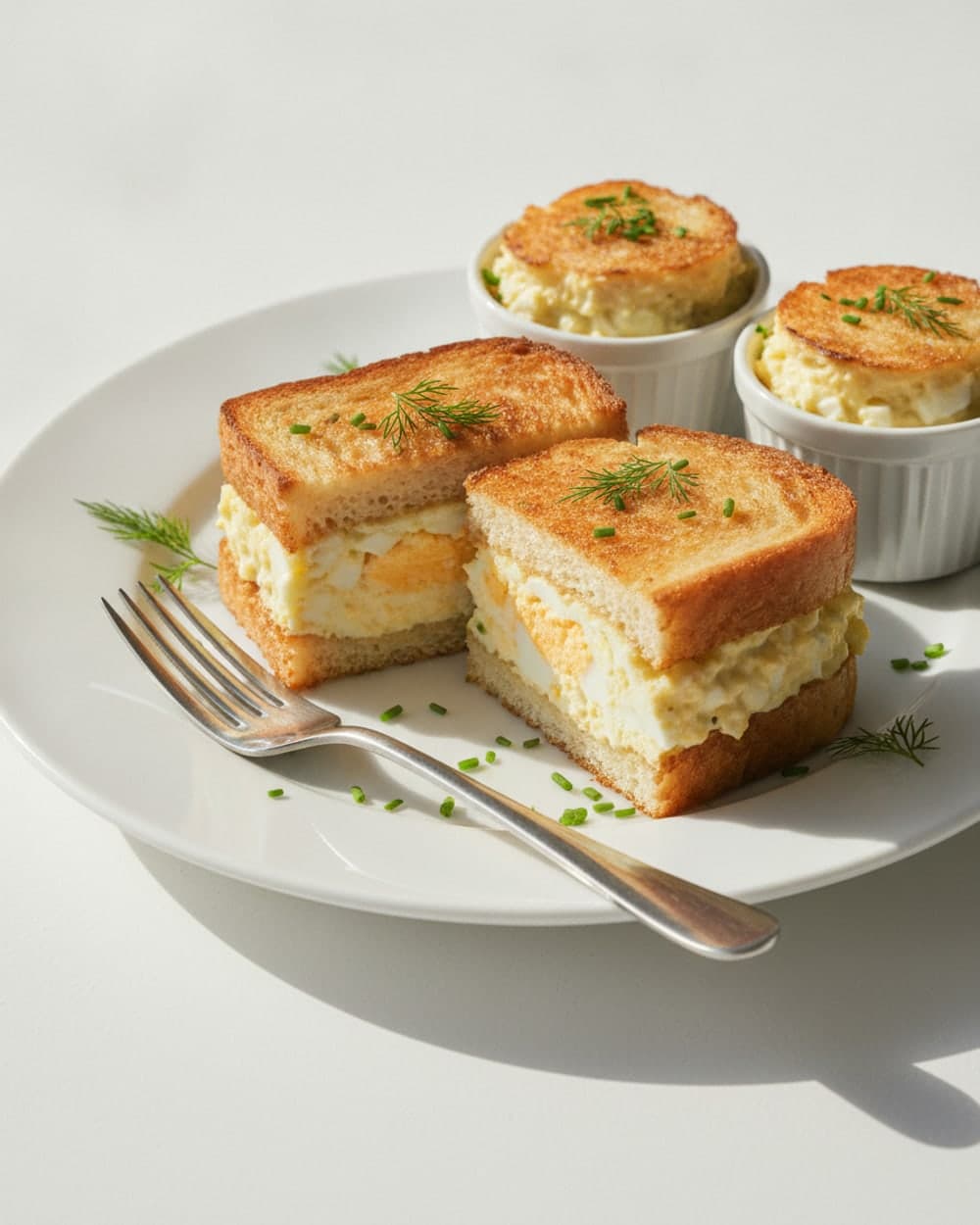
Egg Salad Boxes
Chop firm-cooked eggs with celery, dill, scallions, and a small amount of mayonnaise for a familiar box. A second version uses Greek yogurt, mustard, chopped pickles, and paprika. Pair either with cucumber rounds, bell pepper strips, or a compact salad instead of building the meal around bread. Portion the eggs before mixing so containers stay consistent. Add the yogurt or mayonnaise to your calculation, since the dressing changes the final profile noticeably.
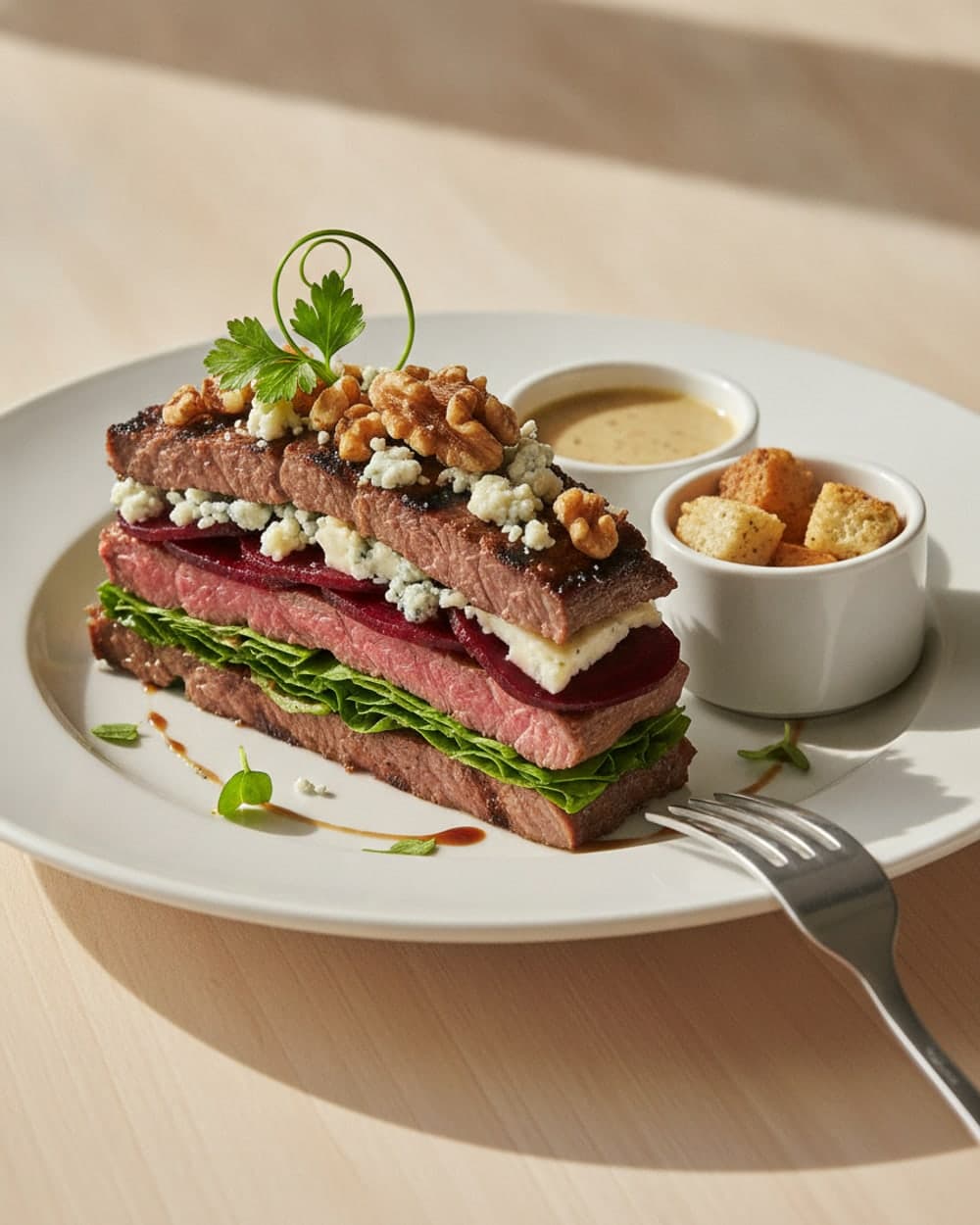
Steak Salad Plates
Slice cooked steak thinly across the grain and arrange it over arugula, tomatoes, cucumber, and blue cheese. For another plate, use steak with cabbage, jalapeño, cilantro, and lime. A measured potato or corn portion can sit alongside either version when you want more carbohydrate. Choose a vinaigrette with enough acid to balance the beef. Log steak by cooked weight, and include cheese, oil, and sides instead of treating the salad as automatically light.
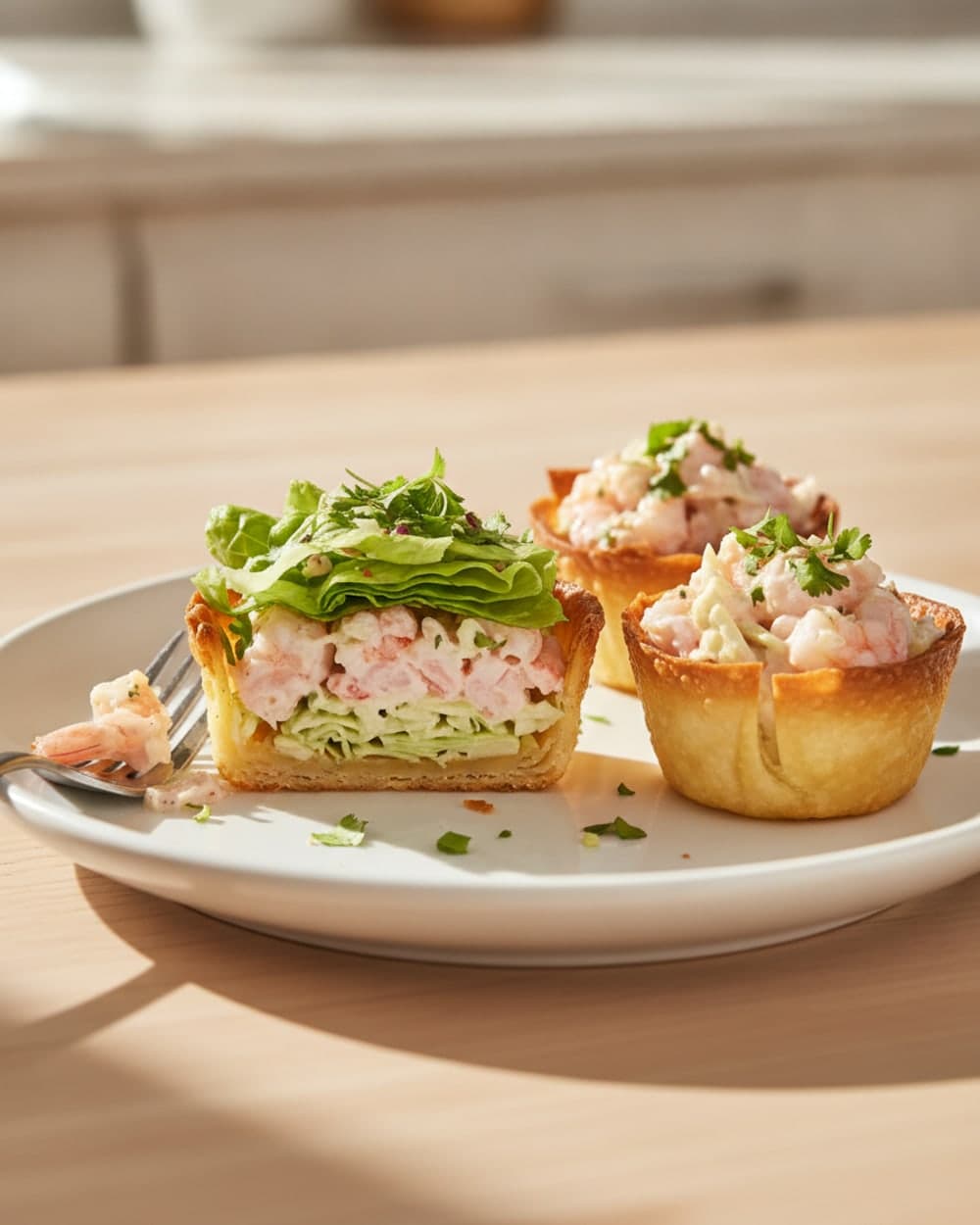
Shrimp Slaw Cups
Combine shrimp with shredded cabbage, cucumber, mint, and a lime dressing for a bright container lunch. The second option uses shrimp, diced avocado, tomato, and chopped hearts of palm. Cooked grains are optional; if included, portion them independently from the shrimp mixture. A cold lunch needs a punchy dressing, so use citrus, herbs, chile, or vinegar rather than extra bulk. Base your calculation on the weighed shrimp and any added avocado or dairy.
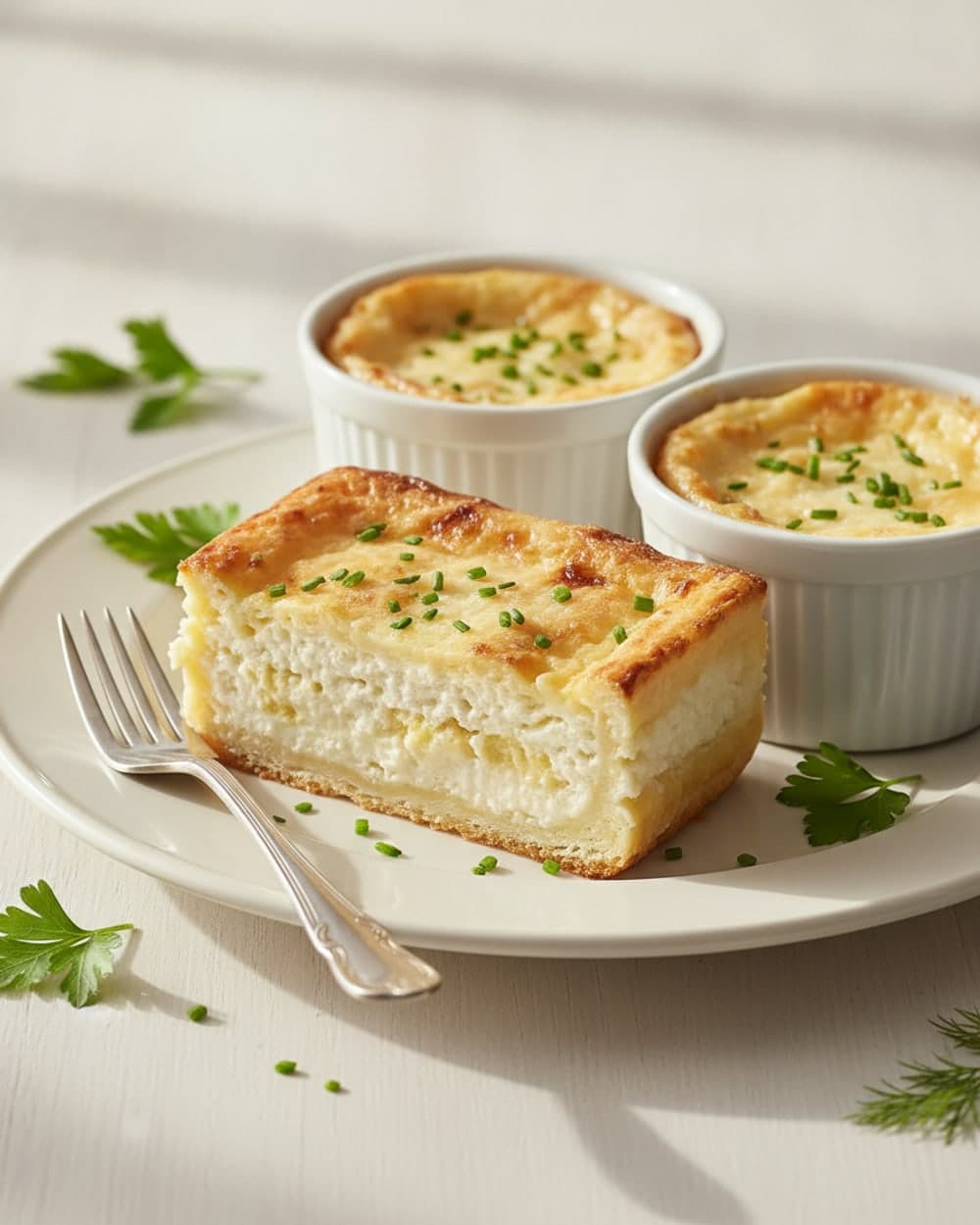
Cottage Cheese Snack Boxes
Use cottage cheese as the component with cucumber, tomatoes, everything seasoning, and roasted turkey. A sweeter direction combines cottage cheese, berries, walnuts, and cinnamon, with turkey or eggs packed beside it. These are useful when lunch needs minimal assembly, not when you need a hot meal. Divide crunchy toppings into a cup to keep their texture. Calculate cottage cheese from its label and include companion protein, rather than counting the bowl alone.
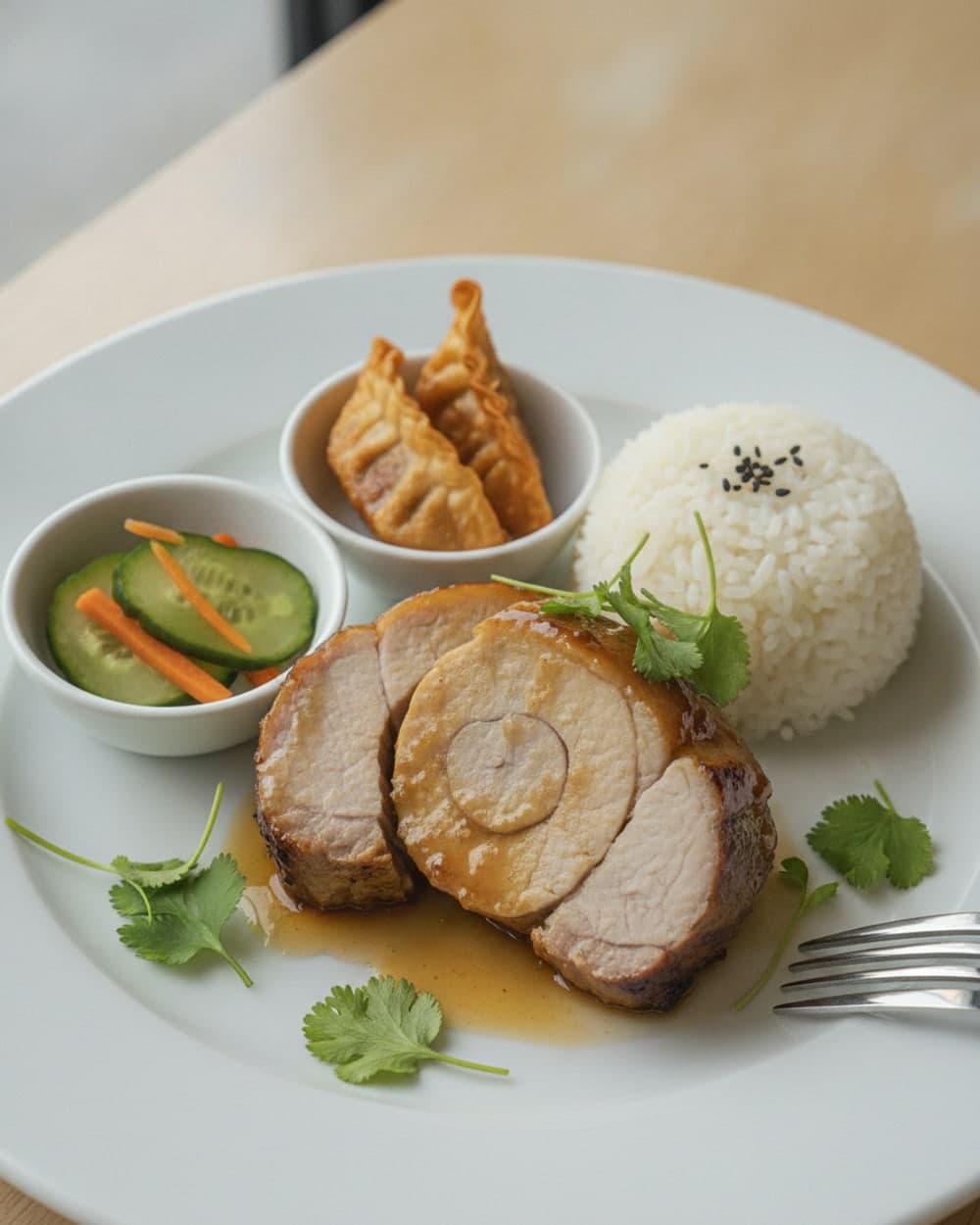
Pork Tenderloin Bento
Pack sliced pork tenderloin with snap peas, carrots, mustard, and a vinegar-based slaw. For a different bento, pair pork with roasted broccoli, olives, and a lemon herb sauce. The vegetables give the plate volume, while pork remains the ingredient to weigh carefully. Use leftover roasted meat only when its recipe ingredients are known. Include cooking oil and creamy sauces in your calculation, because they change calories and fat even when protein stays similar.
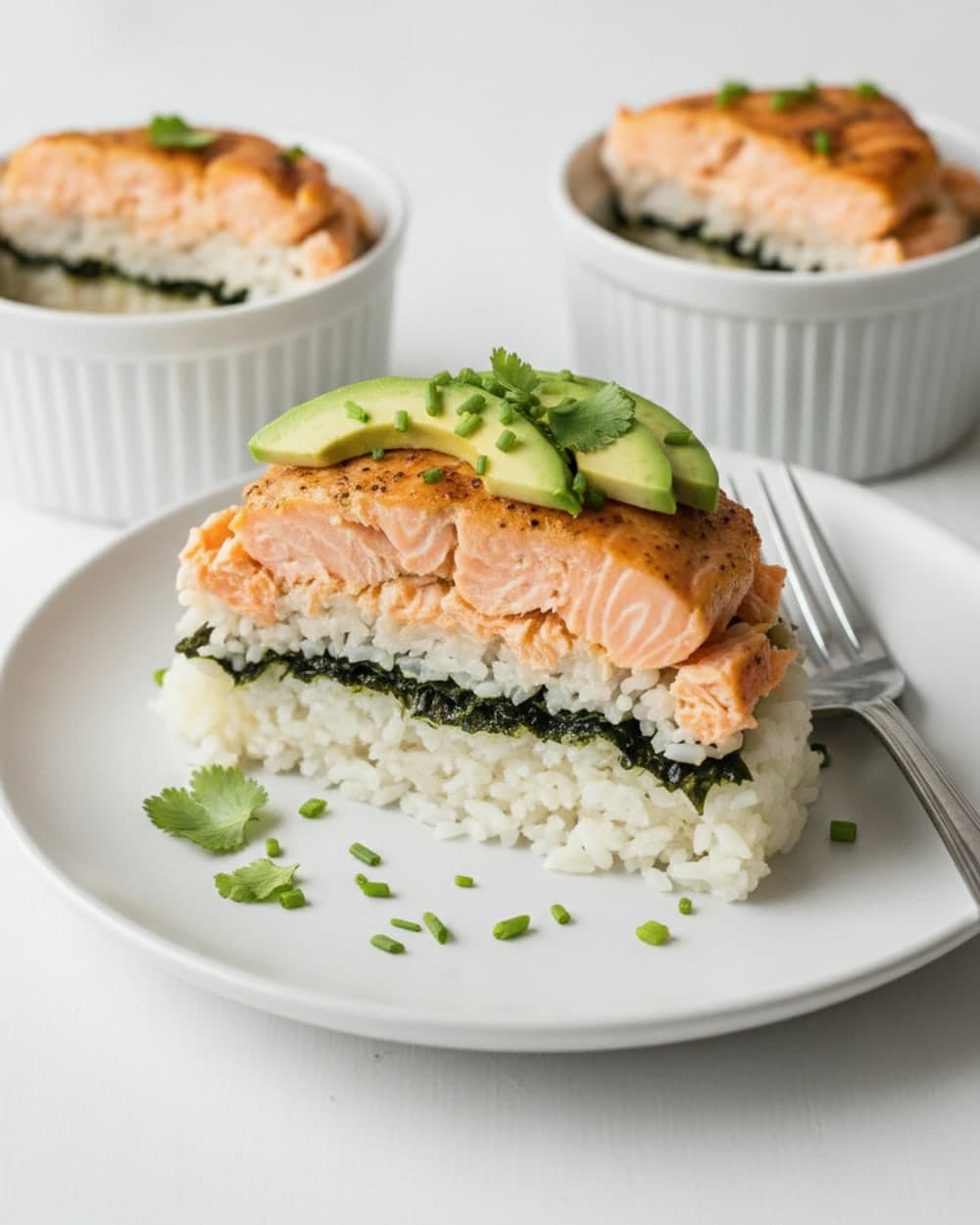
Salmon Nori Bowls
Flake cooked salmon with cucumber, scallions, sesame seeds, and a rice vinegar dressing. The alternative bowl uses canned salmon, cabbage, radish, and mayonnaise with nori sheets. Serve cauliflower rice, regular rice, or extra greens according to the carbohydrate level you have planned. Nori works as a crisp scoop rather than a required wrap. Calculate salmon by its drained or cooked weight, then count mayonnaise, sesame, and rice as separate ingredients in full.
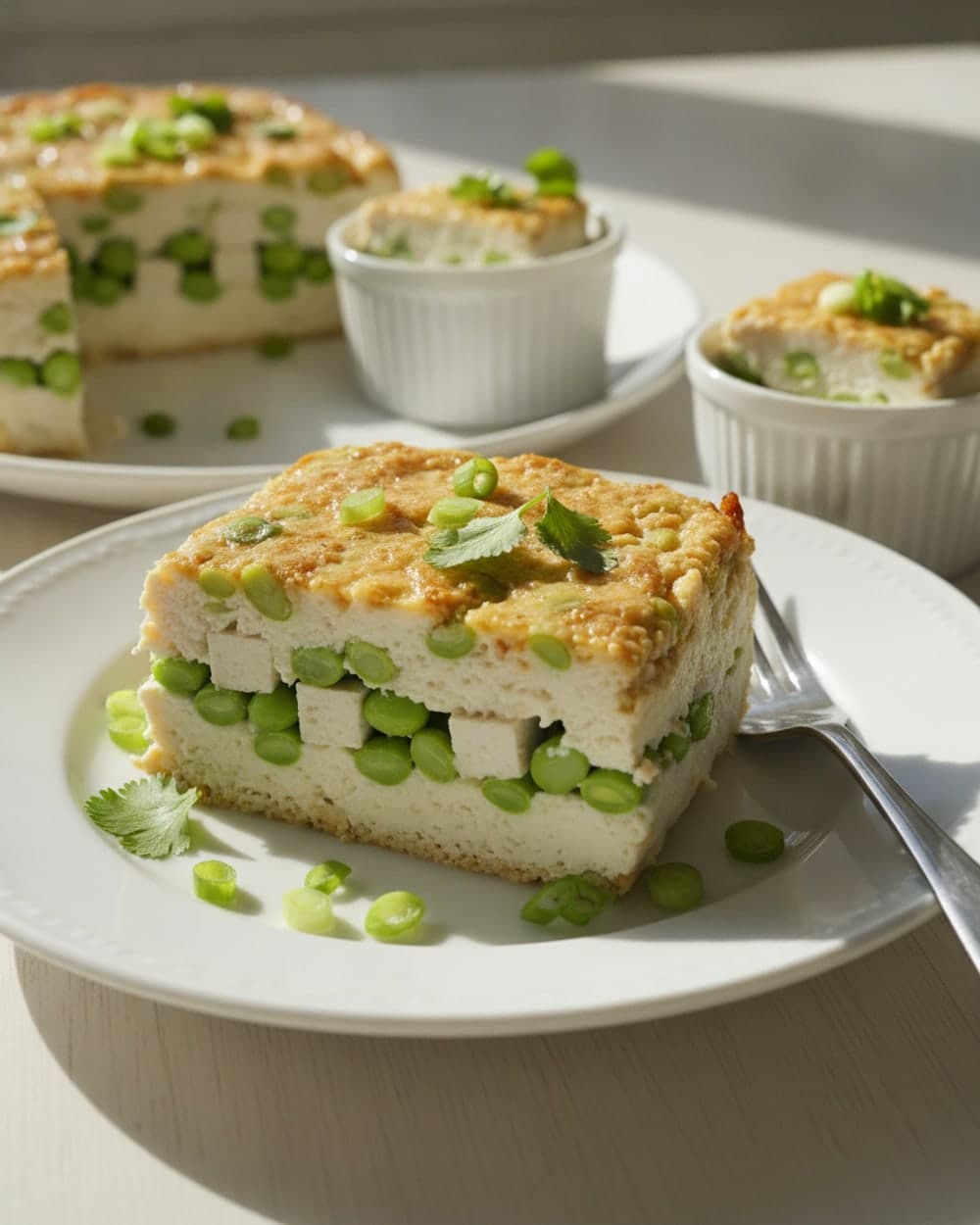
Tofu Edamame Salad
Toss baked tofu with shelled edamame, shredded carrots, cabbage, and a ginger lime dressing. A second version uses tofu, cucumber, peanuts, herbs, and a chile vinegar sauce. This pairing provides more substance than tofu alone, but both ingredients still need separate entries in your calculation. Keep peanuts measured; a loose handful changes the bowl quickly. Add rice noodles only when they fit the lunch you planned, not as an assumed base choice.
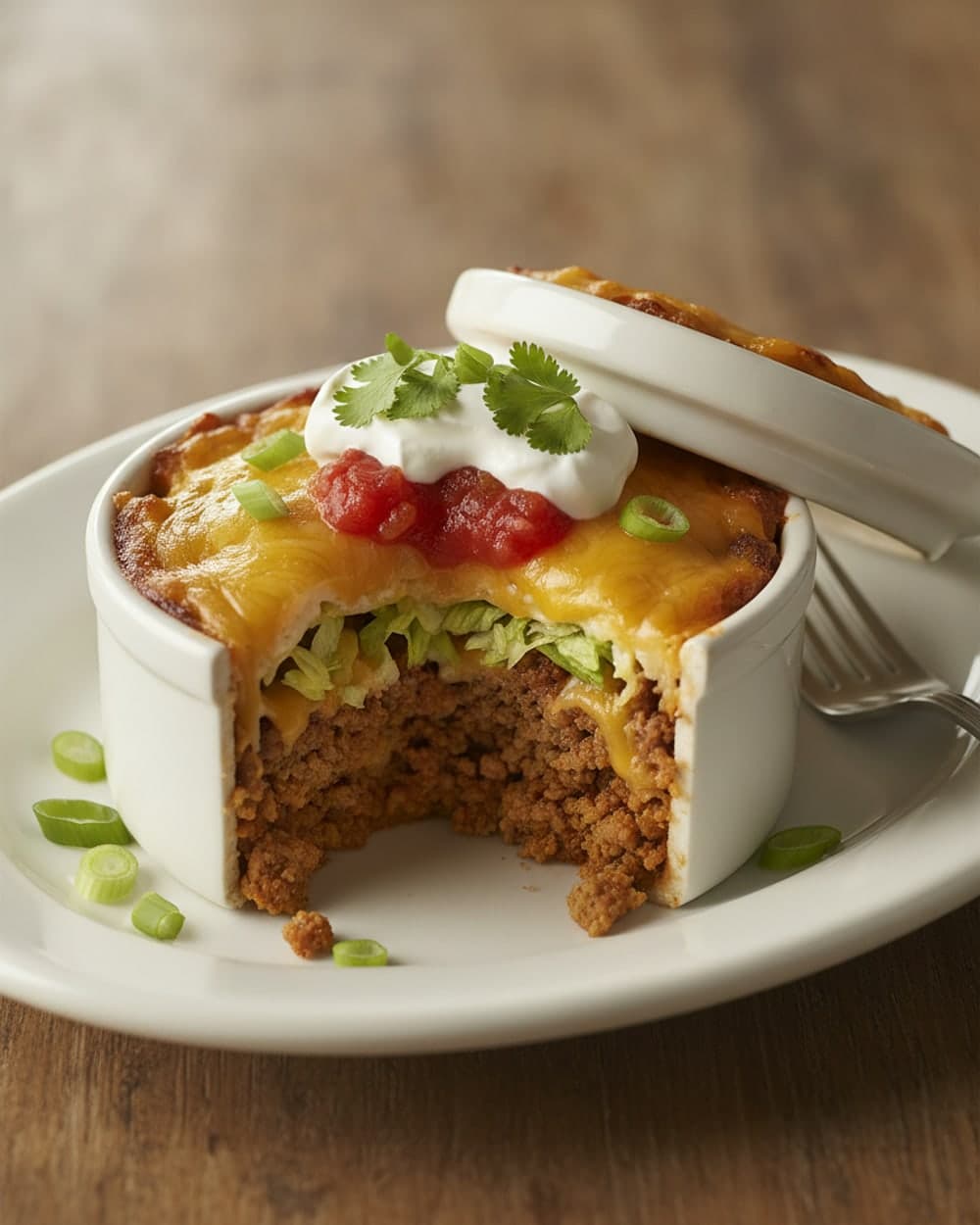
Beef Taco Containers
Brown ground beef with onion, cumin, smoked paprika, and tomato paste for a compact filling. The second container combines beef with shredded lettuce, salsa, avocado, and cheese. Use cauliflower rice, black beans, or neither, depending on the meal’s intended carbohydrate range. Keep salsa and creamy toppings in separate cups for cleaner packing. Calculate the beef from its cooked amount and record beans, cheese, and avocado individually rather than estimating the finished bowl later.
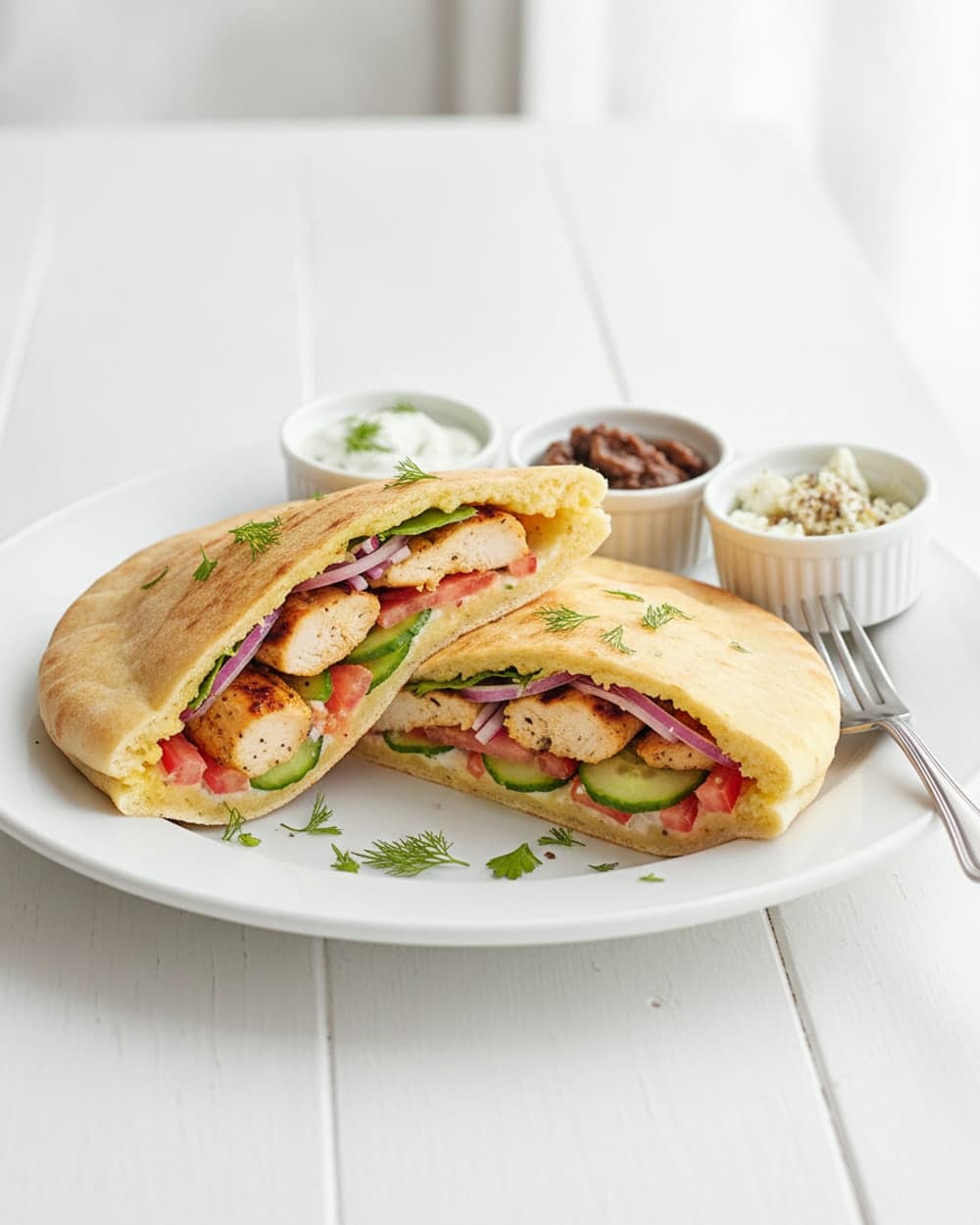
Greek Chicken Pitas
Fill a pita with chopped chicken, cucumber, tomato, oregano, and a yogurt sauce for a handheld lunch. For a lower-bread direction, arrange the same chicken mixture over lettuce with olives and feta. The pita is a trade-off: it adds convenience and carbohydrate, while the salad keeps the chicken more central. Pack herbs and dressing separately until lunchtime. Calculate chicken, feta, yogurt, and pita from their actual quantities, since each portion can vary widely.
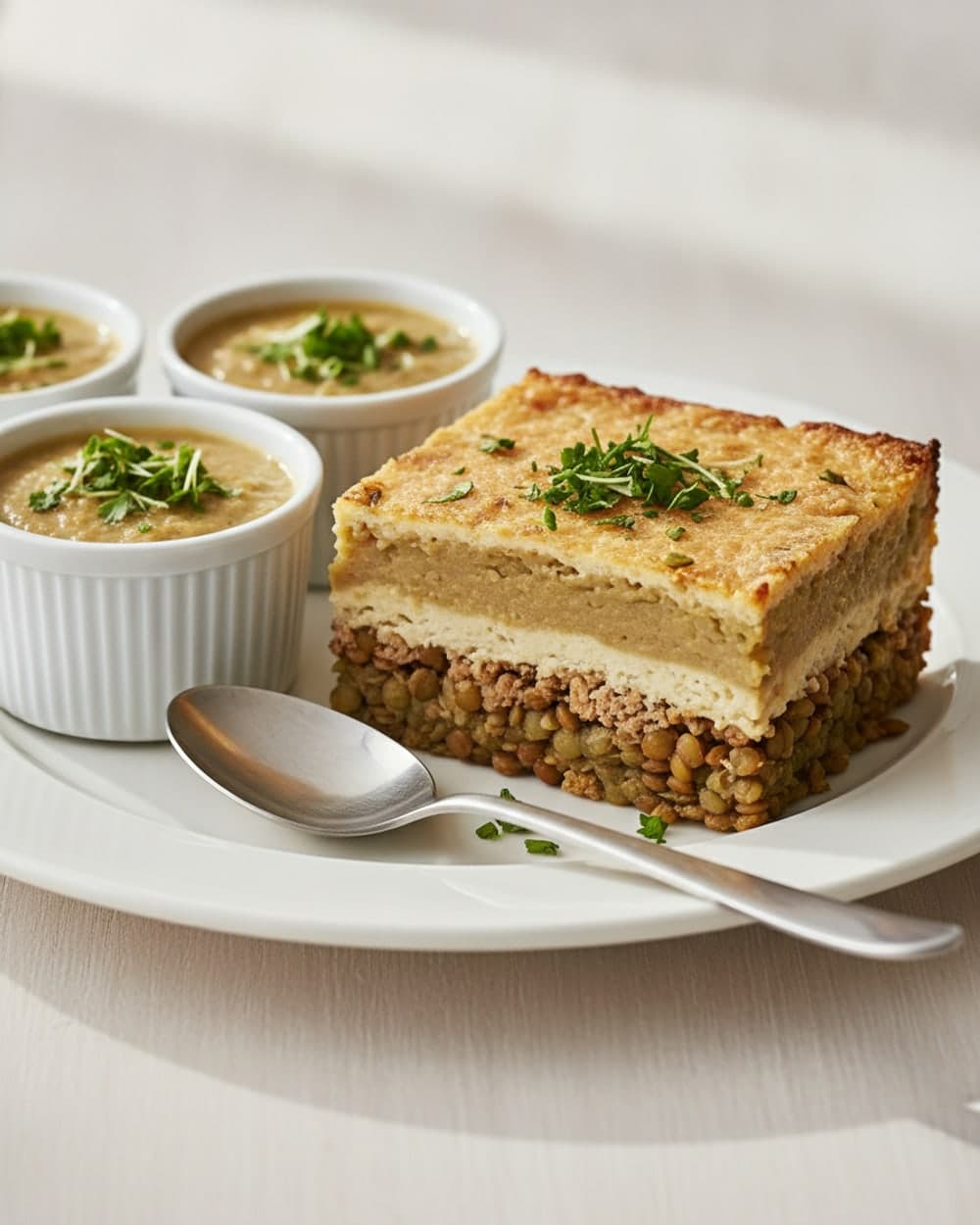
Lentil Turkey Soup
Simmer lentils with cooked turkey, celery, carrots, tomatoes, and broth for a sturdy lunch soup. Another pot can pair turkey with white beans, kale, and Italian herbs. Legumes change both the texture and carbohydrate count, so choose the amount deliberately. Portion soup into containers only after stirring the pot well. Calculate turkey and legumes by the amounts added to the batch, then divide using a documented yield rather than a vague ladle.
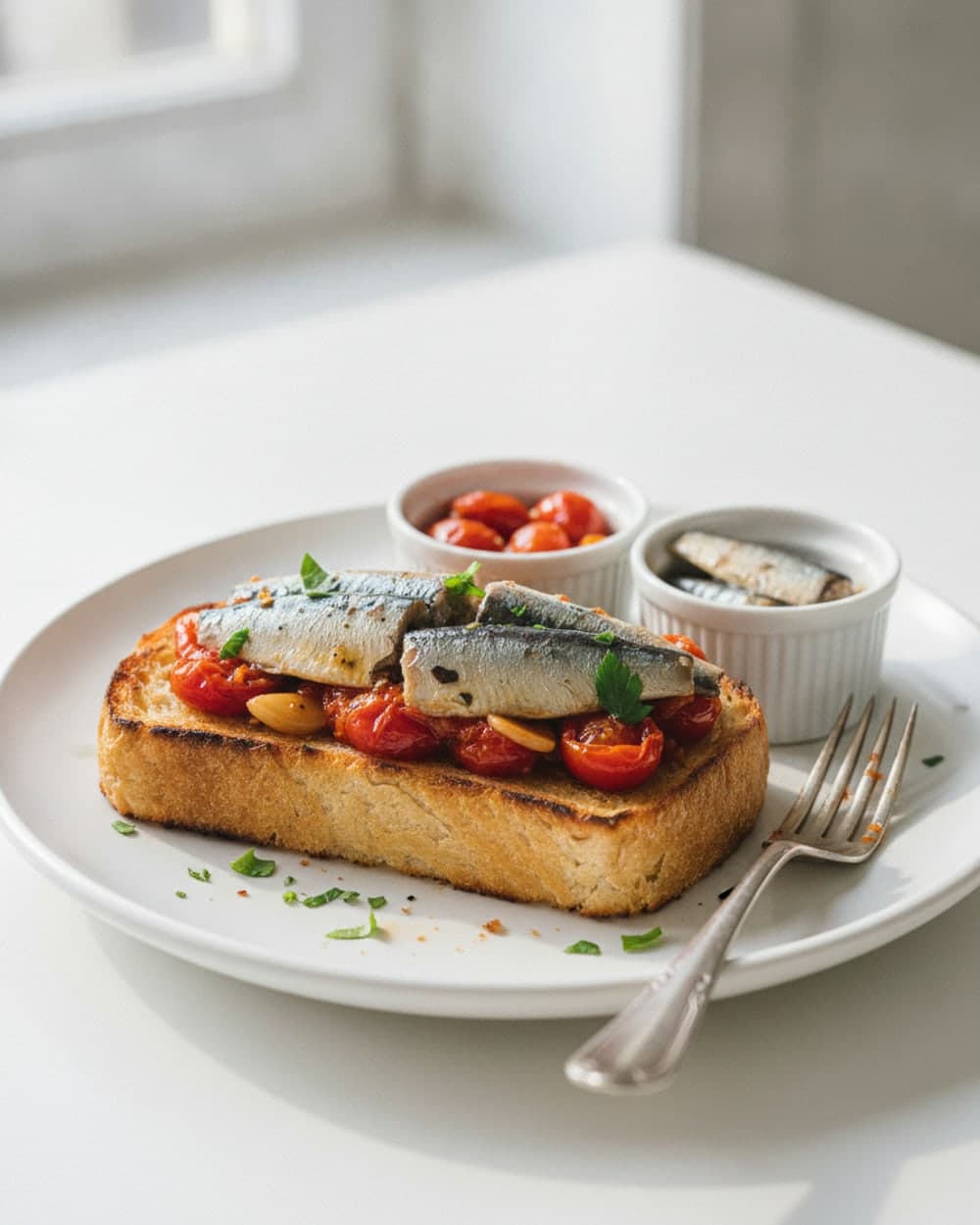
Sardine Tomato Toasts
Mash sardines with lemon, parsley, capers, and black pepper, then pile them onto tomato slices. The second lunch uses sardines with white beans, arugula, and a red wine vinaigrette. Toast is optional, but treat it as a named ingredient instead of an invisible side. Capers and lemon provide intensity without needing a complicated sauce. Calculate the sardines from the can’s drained contents and add beans, oil, toast, or cheese separately as needed.
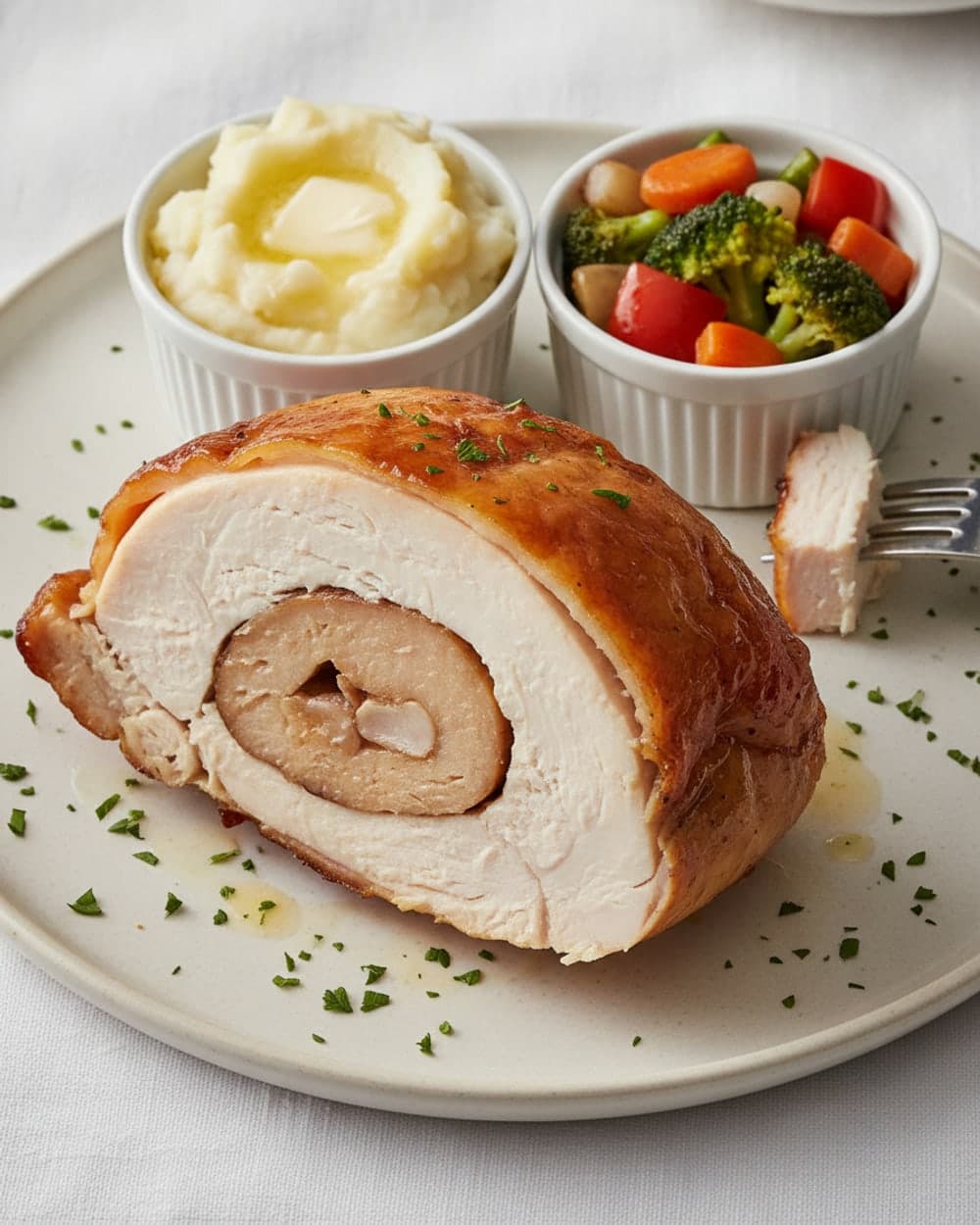
Rotisserie Chicken Plates
Arrange rotisserie chicken with chopped salad vegetables, pickled onions, and a tahini lemon dressing. Another plate uses the chicken with roasted zucchini, tomatoes, and pesto. This is useful for assembly lunches, but the calculation depends on whether the chicken includes skin and how much sauce lands on the plate. Remove meat from the bones before portioning for clearer tracking. Record chicken, dressing, cheese, and any grain separately; those additions shape the final meal.
Before you go
Save this list as a lunch-planning board, then choose three anchors for the week instead of chasing novelty every day. Pair each anchor with two vegetable combinations and one sauce you genuinely want to eat. If you track nutrition, calculate your selected ingredients from labels and recipes, then write the result on the container. That step makes lunches easier to portion and simpler to adjust.
Save this for later
High Protein Lunch Ideas
Tags
- high-protein-lunch-ideas
- lunch-planning
- portion-planning
- meal-prep
Read next
High Protein
- High-protein
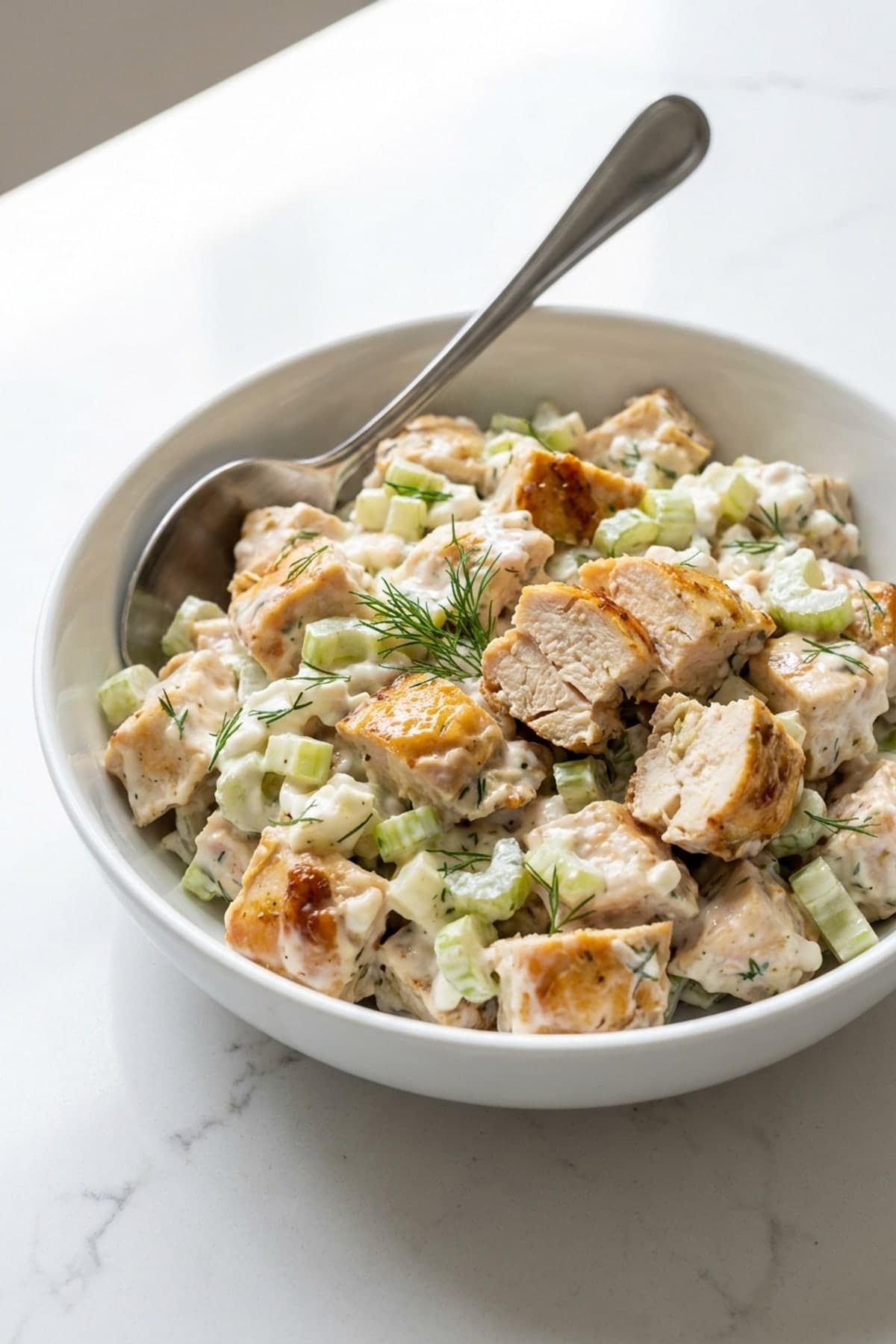
High Protein Chicken Salad With 38g Per Cup
35 min total4 servings49.9g protein357 kcal
Make a protein-rich chicken salad with cottage cheese, Greek yogurt, celery, dill, and almonds for a sturdy lunch with real texture.
Low Carb
High Protein Low Carb Recipes for Clear Macro Logging
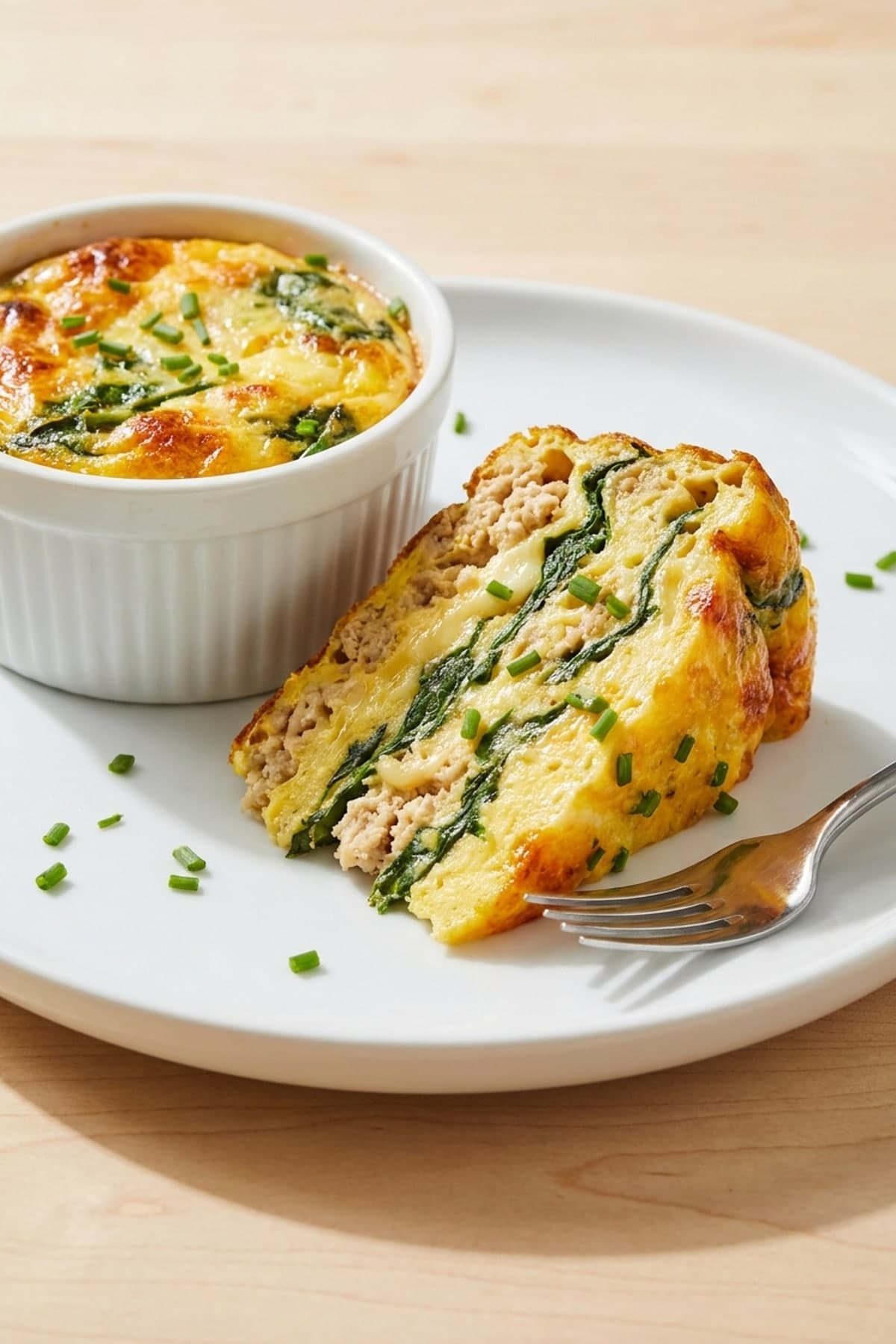
Plan high protein low carb recipes with sixteen practical formats, ingredient-weight guidance, and clear methods for logging your own macros.
High Protein
- High-protein
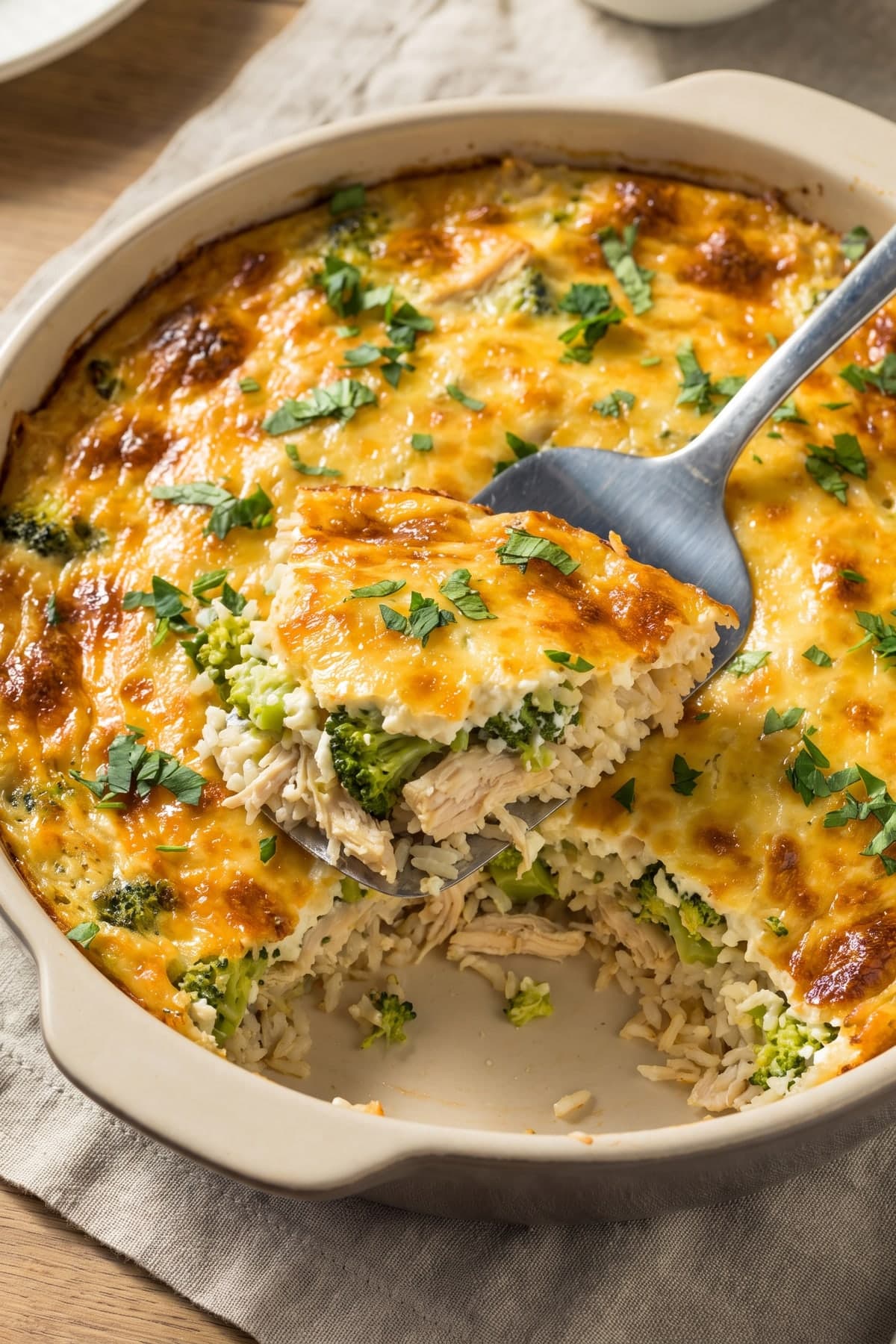
High Protein Casserole Recipes: Chicken Broccoli Rice Bake
50 min total6 servings47.8g protein510 kcal
A practical chicken, broccoli, cottage cheese, and rice bake for high protein casserole recipes, with measured ingredients and make-ahead steps.
High Protein
- High-protein
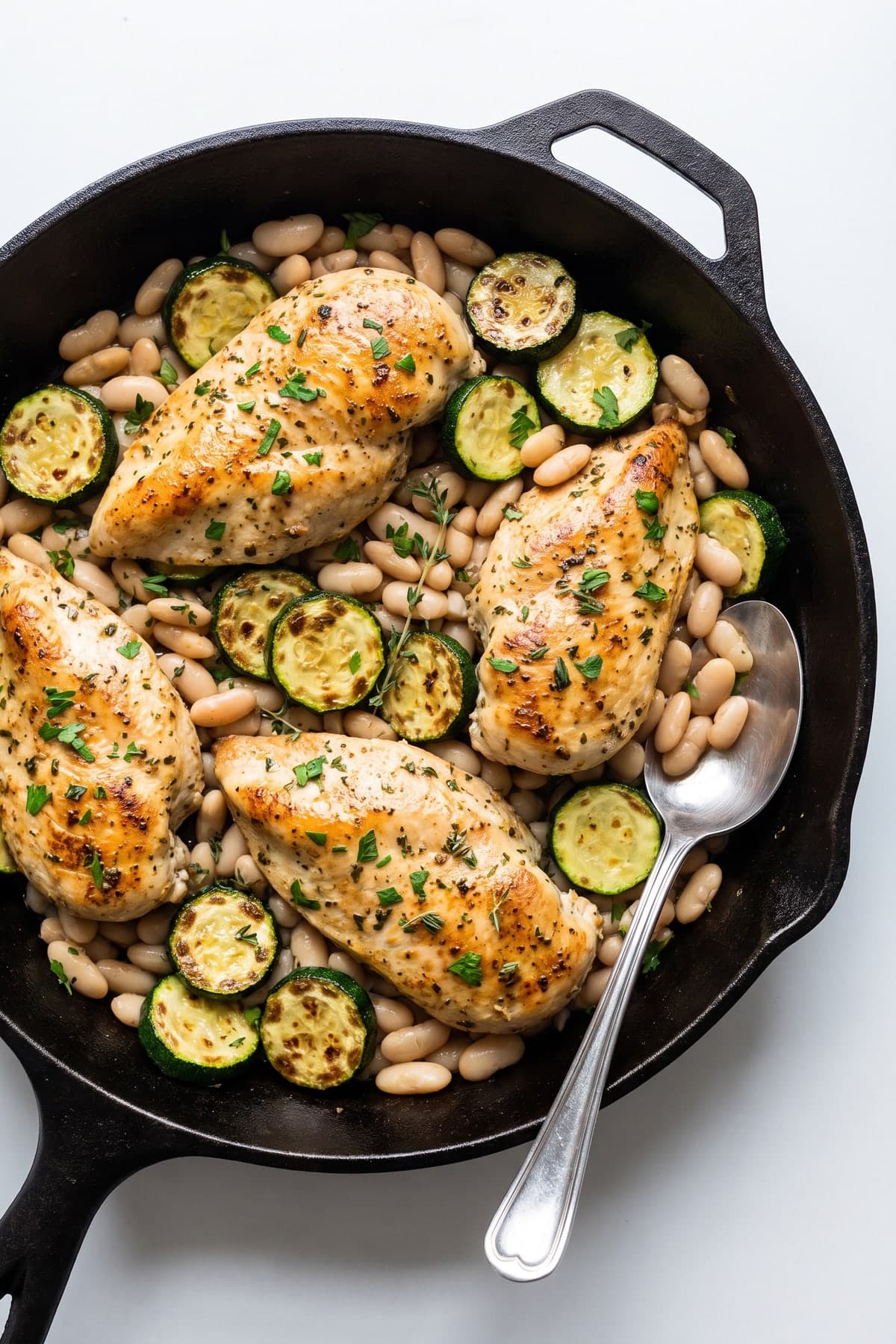
High Protein Chicken Recipes: Garlic Herb Skillet
35 min total4 servings51.1g protein473 kcal
Make this garlic herb chicken skillet with zucchini, peppers, white beans, and feta for a dependable dinner built around chicken breast.
High Protein
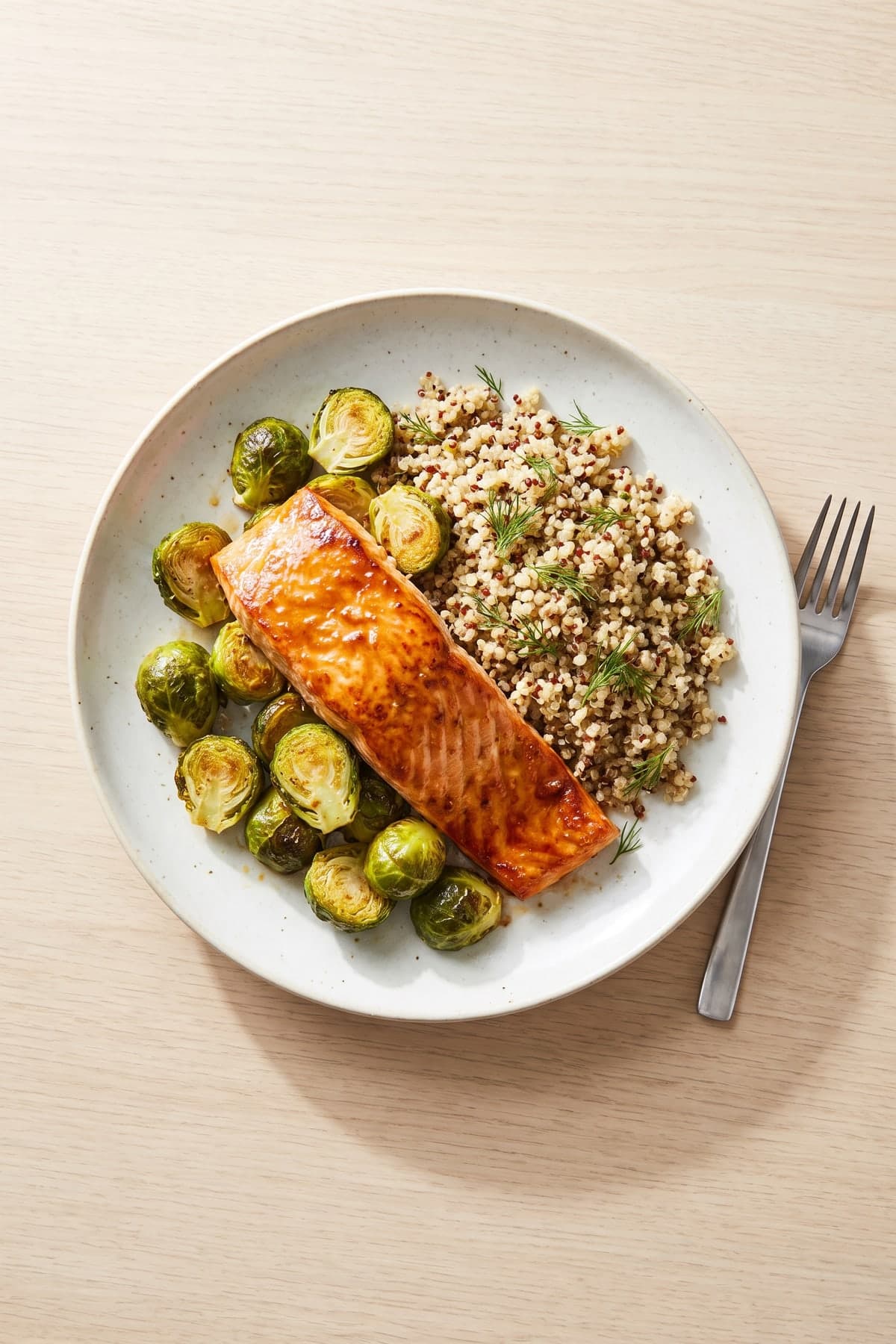
High Protein Dinner Recipes, Sorted by Grams
Plan weeknight dinners around chicken, beef, shrimp, eggs, and tofu, with linked recipe cards to check portions and nutrition details.
High Protein
- Low-carb
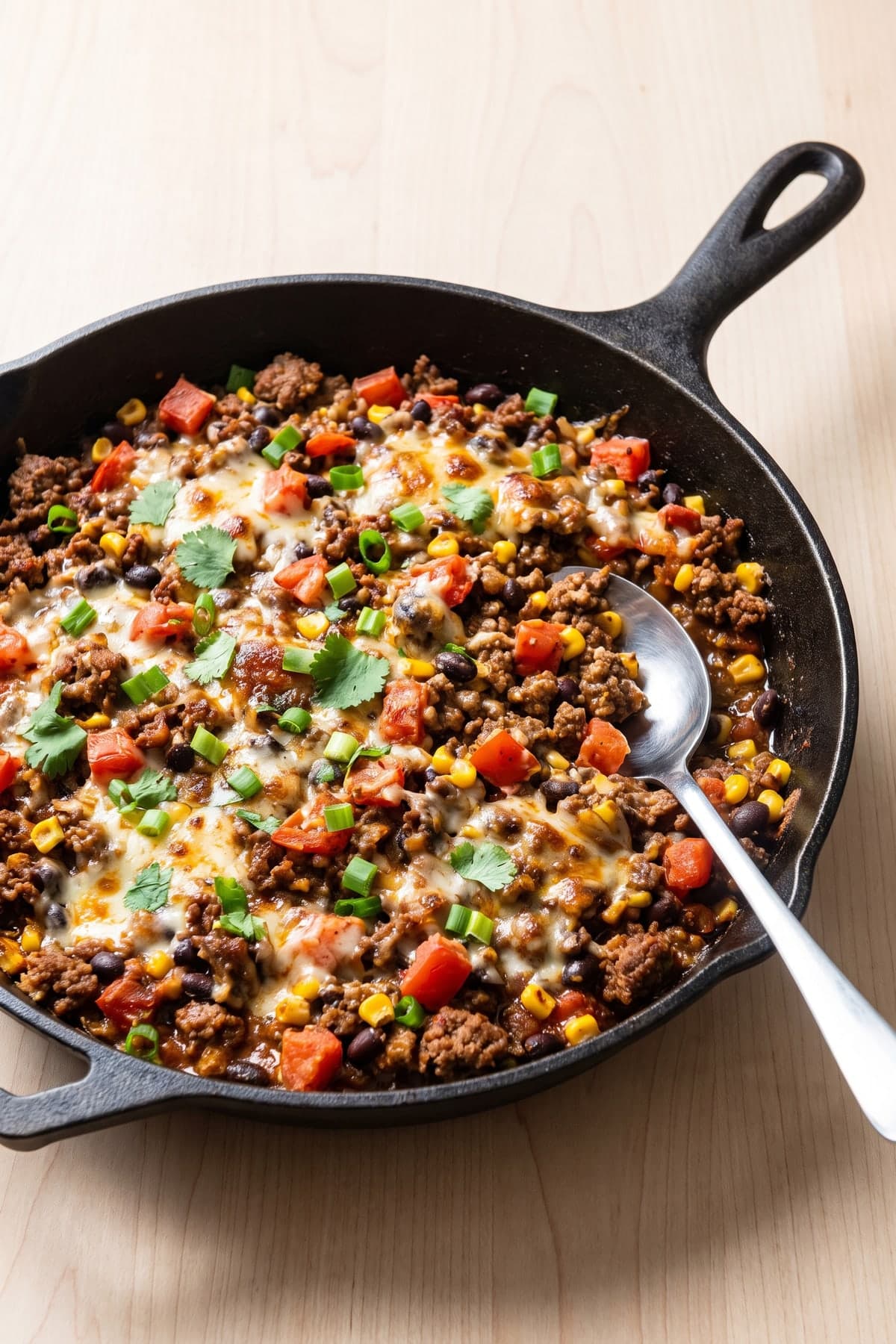
High Protein Ground Beef Recipes: Beef Taco Skillet
35 min total4 servings47.1g protein636 kcal
Build a reliable beef taco skillet with lean ground beef, eggs, peppers, spinach, salsa, and cheddar. It serves four in 35 minutes.