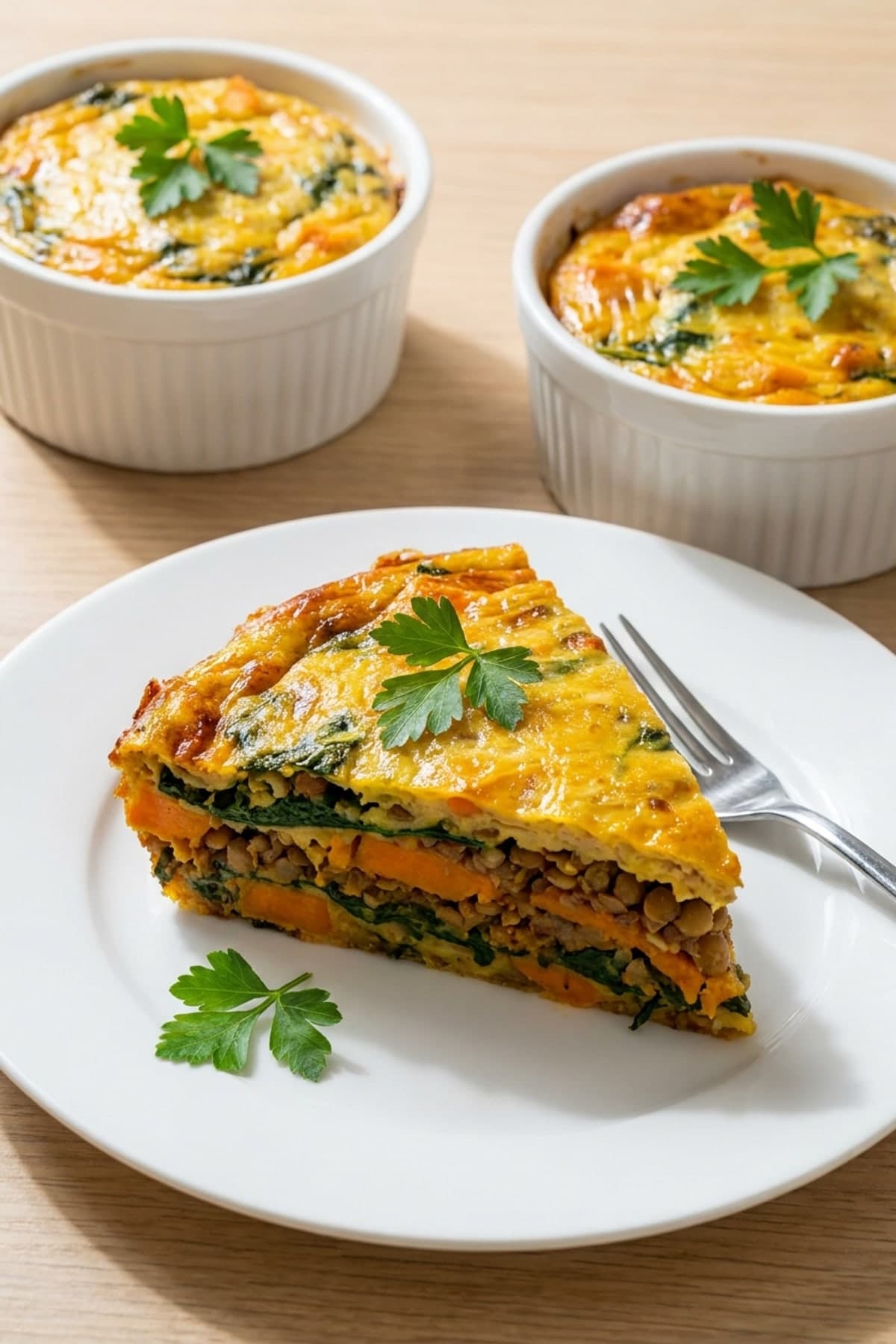
High Protein Vegetarian Recipes for 30g Planning
Protein for each portion is not listed because verified recipe calculations were not supplied for this collection. That matters when a headline centers a 30g target: ingredient combinations can suggest a direction, but they do not prove a finished macro count. Use this list to choose vegetarian formats worth calculating with your labels and portions.
These protein-forward high protein vegetarian recipes organize eggs, dairy, tofu, beans, and skillets into practical variety. Choose creamy bakes, bowls, soups, or casseroles, then calculate the portions you use. That approach respects ingredient differences instead of assuming every plate reaches a shared target.
15 recipes in this roundup
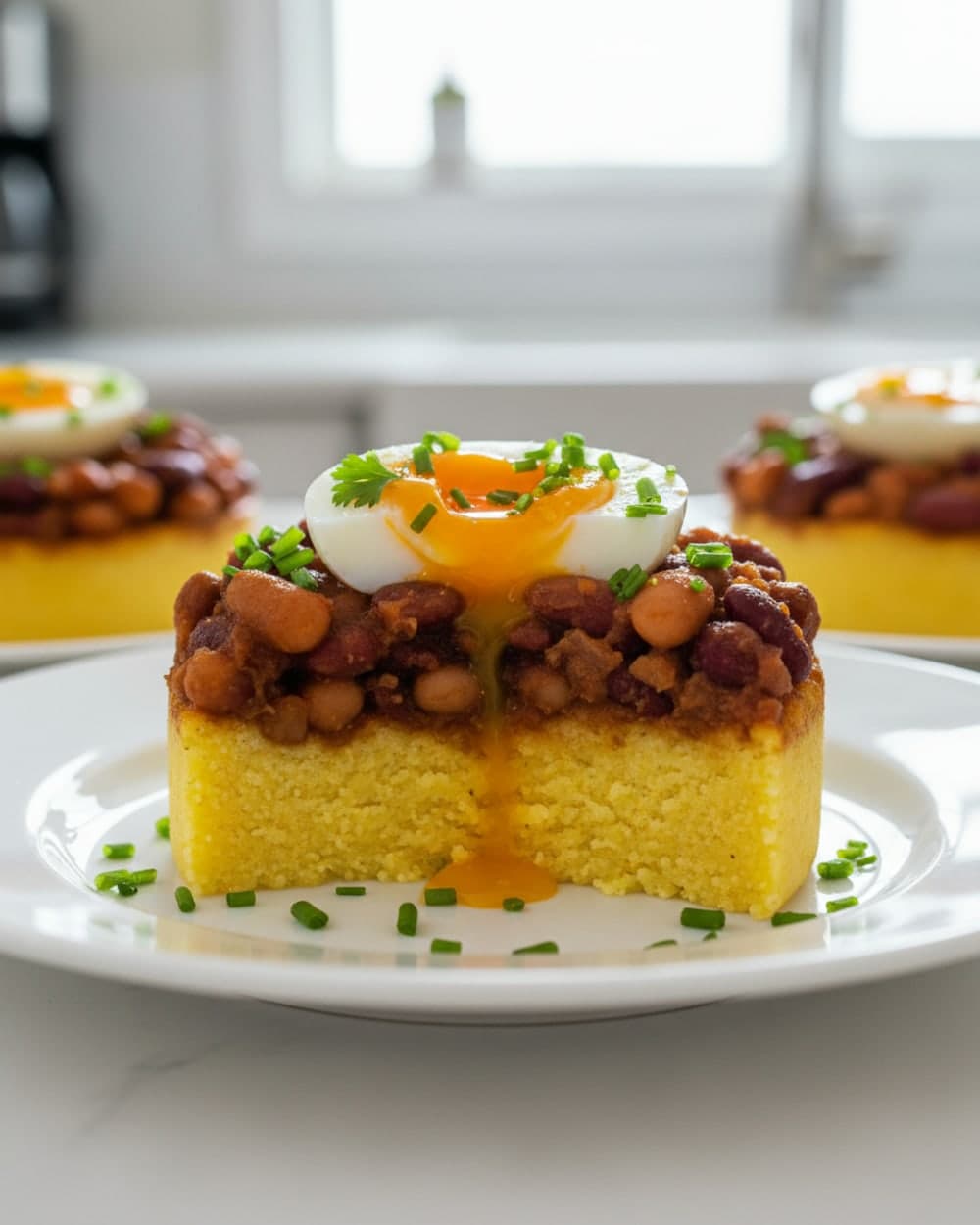
Polenta, Beans, and Eggs
Soft polenta gives this meatless dinner a warm, spoonable base, while beans and eggs bring structure to the bowl. Keep the seasoning direct with garlic, tomato, herbs, and a sharp cheese if the recipe calls for it. It suits a night when separate components sound tiring. Calculate the bowl after choosing your bean amount, egg count, and finishing cheese, since those portions drive the protein total more than the polenta.
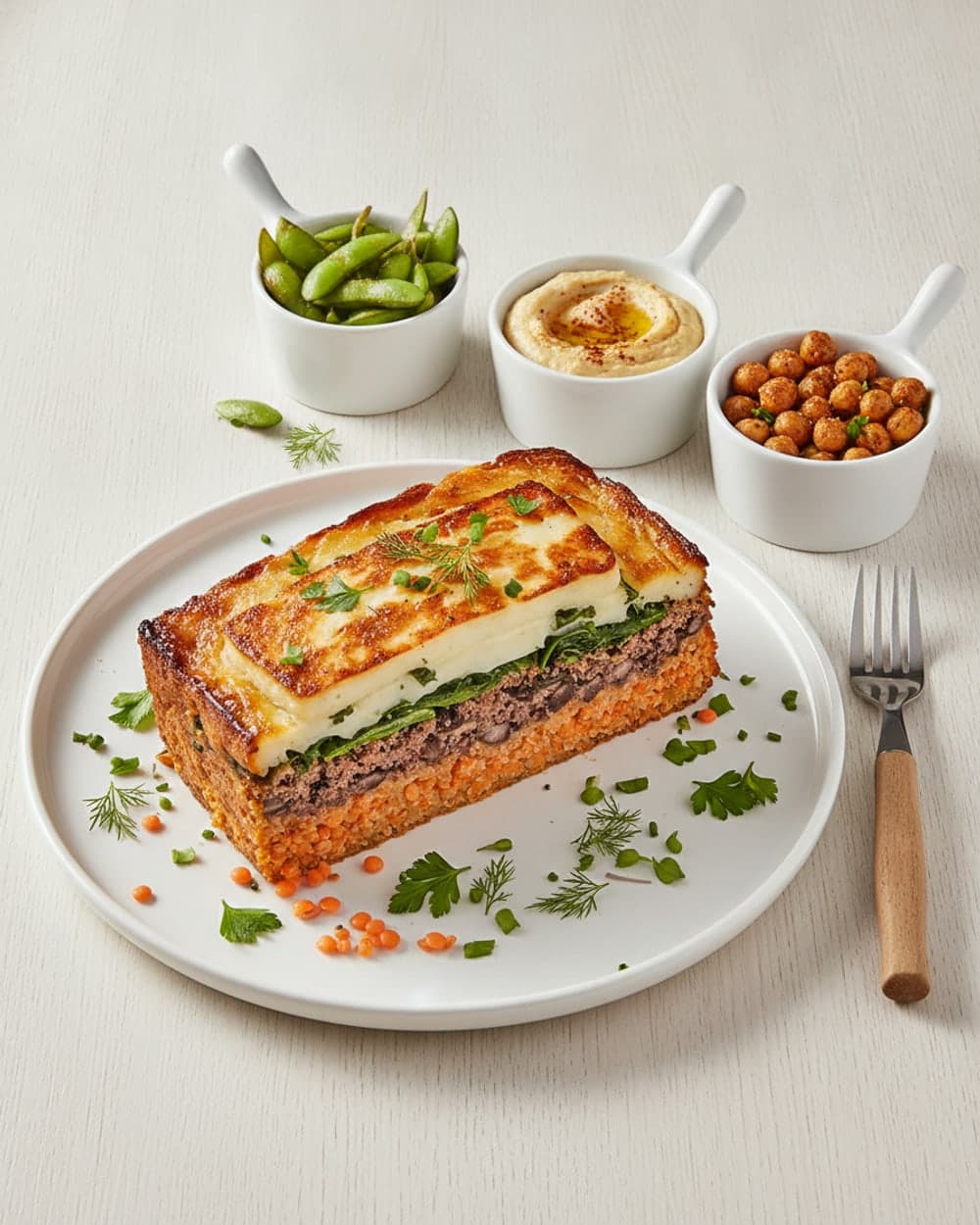
Vegetarian Meal Ideas for Protein Planning
This collection focuses on vegetarian meals arranged around concentrated protein ingredients rather than a large grain base. Expect combinations that use tofu, eggs, Greek yogurt, cottage cheese, legumes, or cheese according to each card. Read it as a planning index, not a verified nutrition table. Pick one recipe, enter the ingredients and divided yield into your calculator, then adjust portions to match the protein amount you intend to eat.
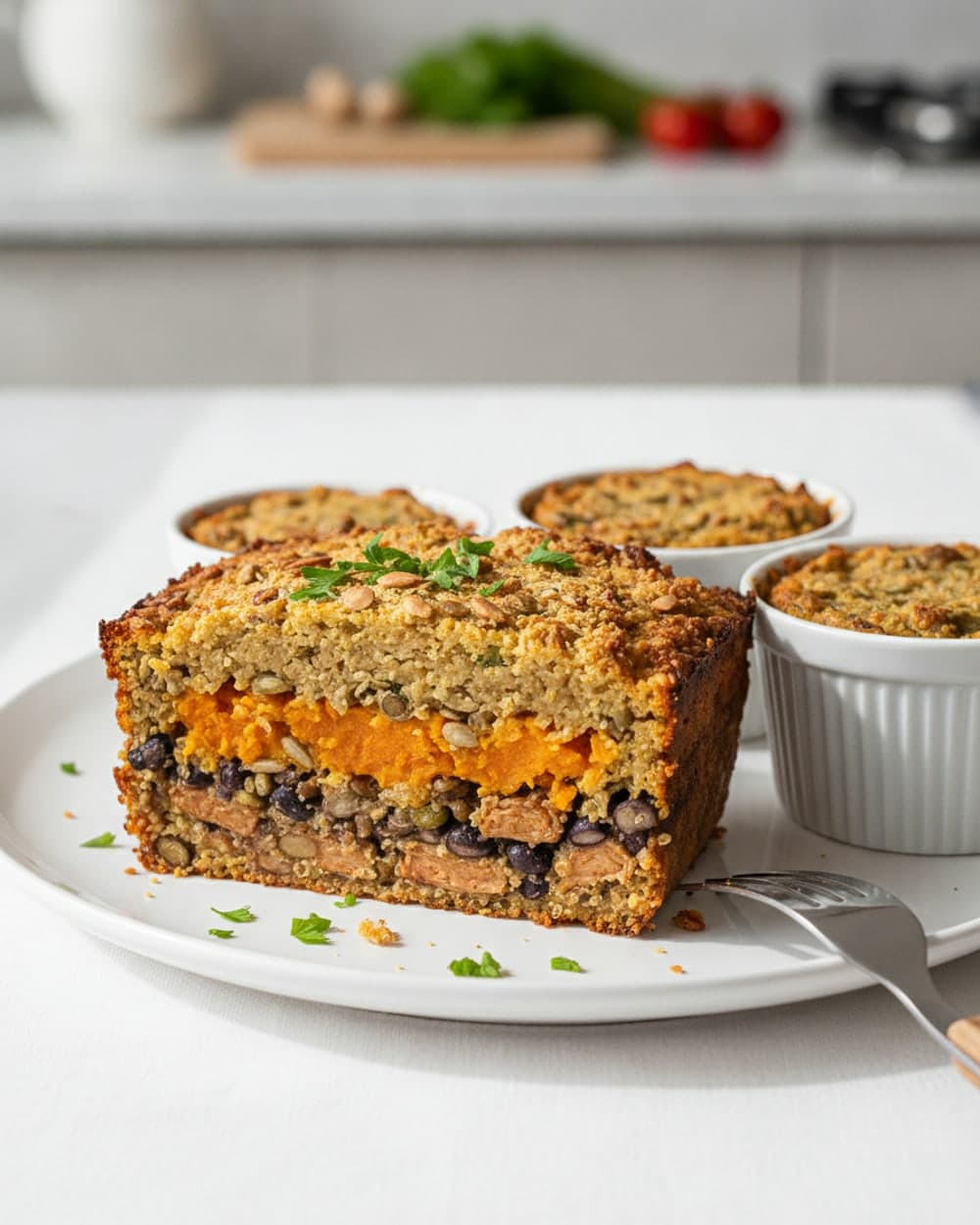
Vegetarian Meals With Bigger Protein
Use this recipe group when dinner needs more substance than a vegetable side and a starch. The cards collect vegetarian formats where the main ingredients do more of the work: eggs, dairy, tofu, beans, or lentils. A composed bowl can be useful, but measure the topping and sauce as well. Those additions may change your final totals substantially, especially when cheese, yogurt, nuts, or legumes are involved too regularly.
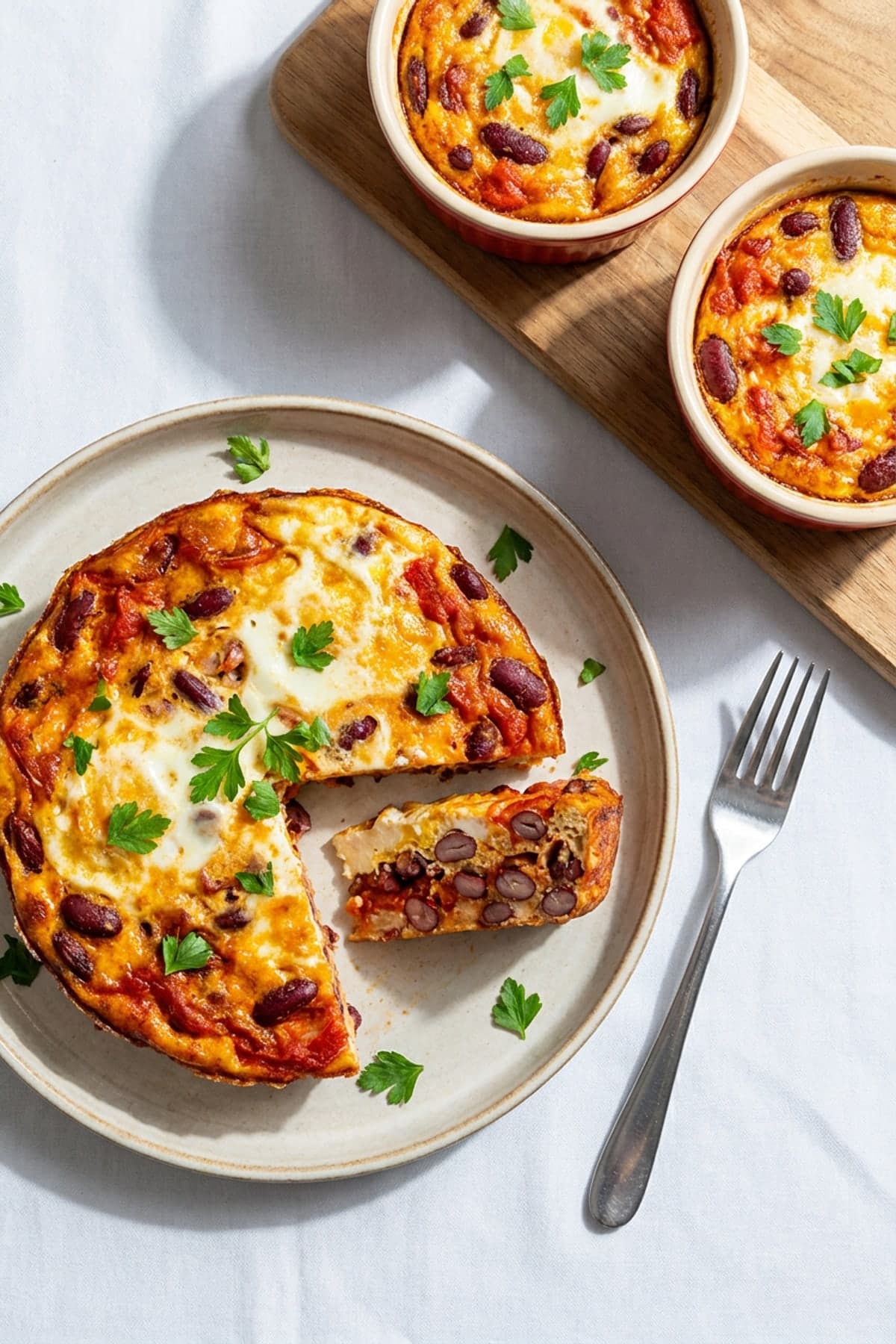
Tomato Bean Egg Skillet
A tomato and bean skillet with eggs makes a compact dinner format that uses ordinary pantry ingredients. Let the tomato base simmer enough to thicken before adding the eggs, so the finished dish stays scoopable rather than watery. Serve it in a bowl or beside roasted vegetables. For protein planning, record the specific beans, egg size, and any cheese or yogurt added at the table; each choice changes the result.
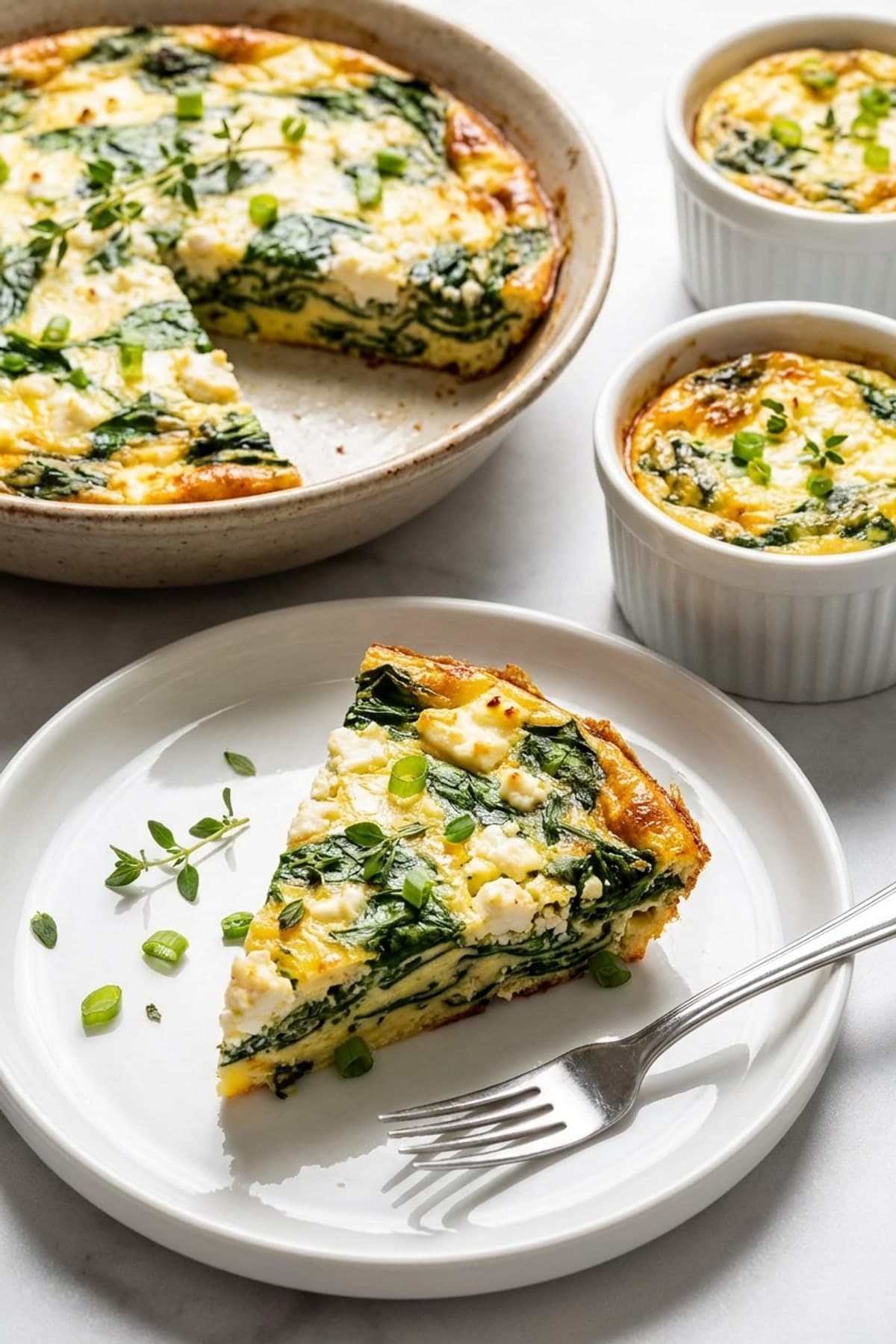
Spinach Feta Egg Skillet
Spinach, feta, and eggs give this skillet a short ingredient list with enough contrast to avoid a flat breakfast-for-dinner routine. Wilt the spinach first, then cook the eggs to the texture you prefer and scatter feta near the end. A side salad makes it a complete plate without adding another pan. Use the egg count and feta weight from your own portions when you calculate the finished meal at home.
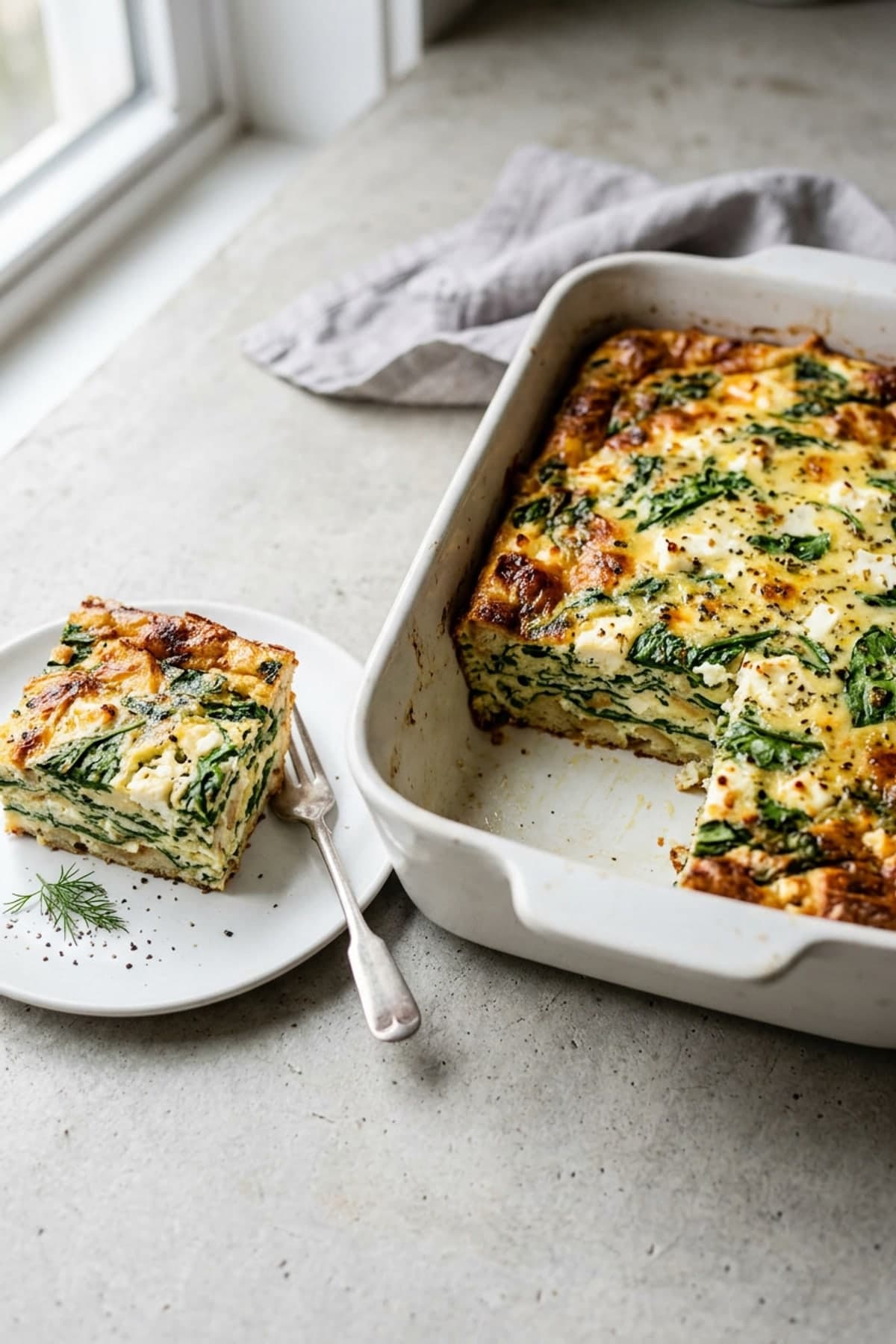
Spinach Feta Egg Bake
This egg bake turns the same spinach and feta pairing into a sliceable format for planned breakfasts or lunches. Whisk the eggs thoroughly, distribute the greens evenly, and leave the pan to settle briefly before cutting squares. It works well with tomatoes, cucumber, or a dressed greens side. The recipe format is useful for portions, but a 30g target still requires calculations based on the ingredients and serving size you choose.
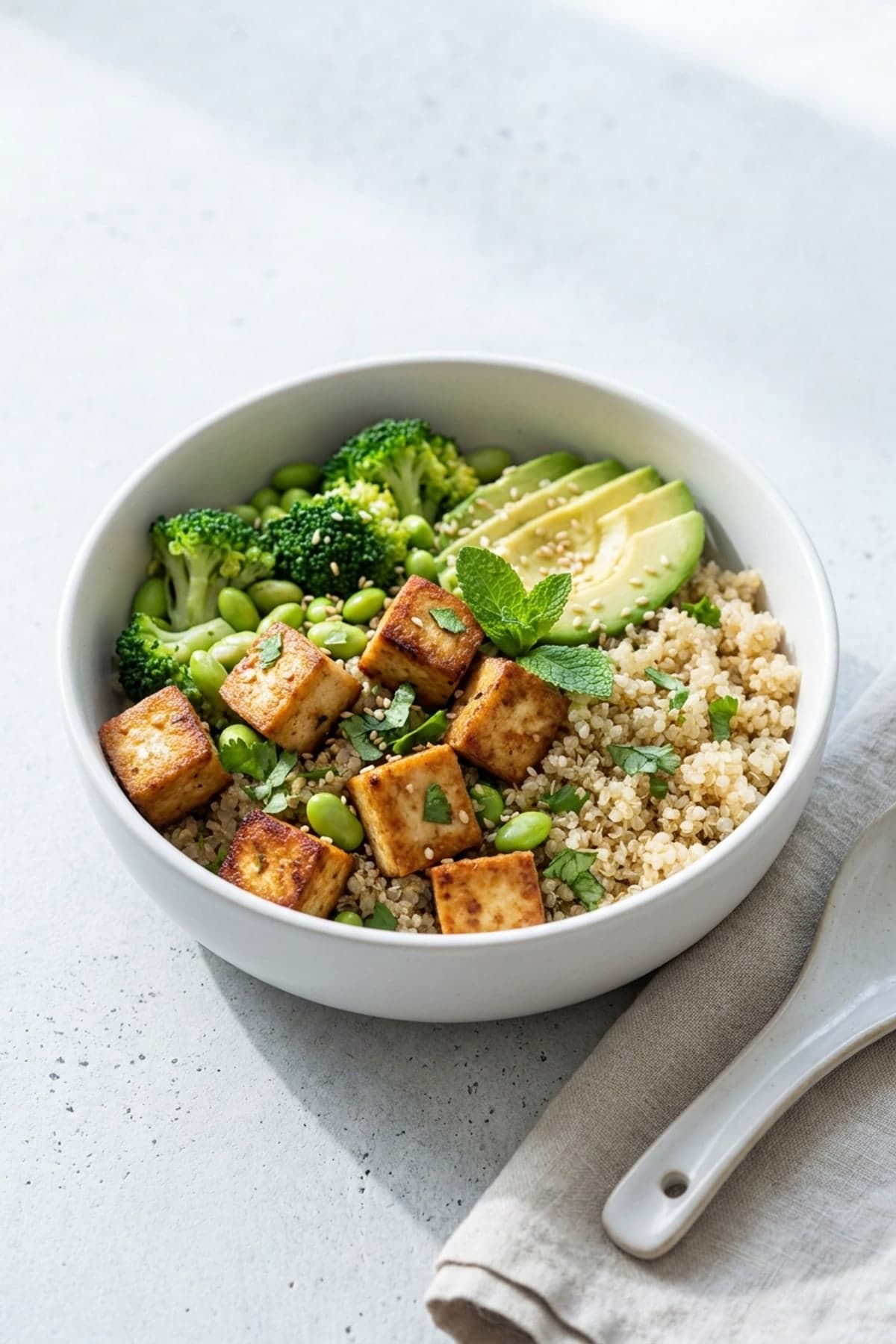
Crispy Tofu Quinoa Bowls
These bowls pair crisp tofu with quinoa and vegetables for a meatless meal that has distinct textures in every bite. Pressing and browning the tofu helps it carry a sauce, while crunchy vegetables keep the bowl from becoming soft throughout. Quinoa adds a grain component, so it may fit some vegetarian plans better than stricter low-carb days. Calculate tofu, quinoa, sauce, and toppings separately before treating it as a protein-target meal.
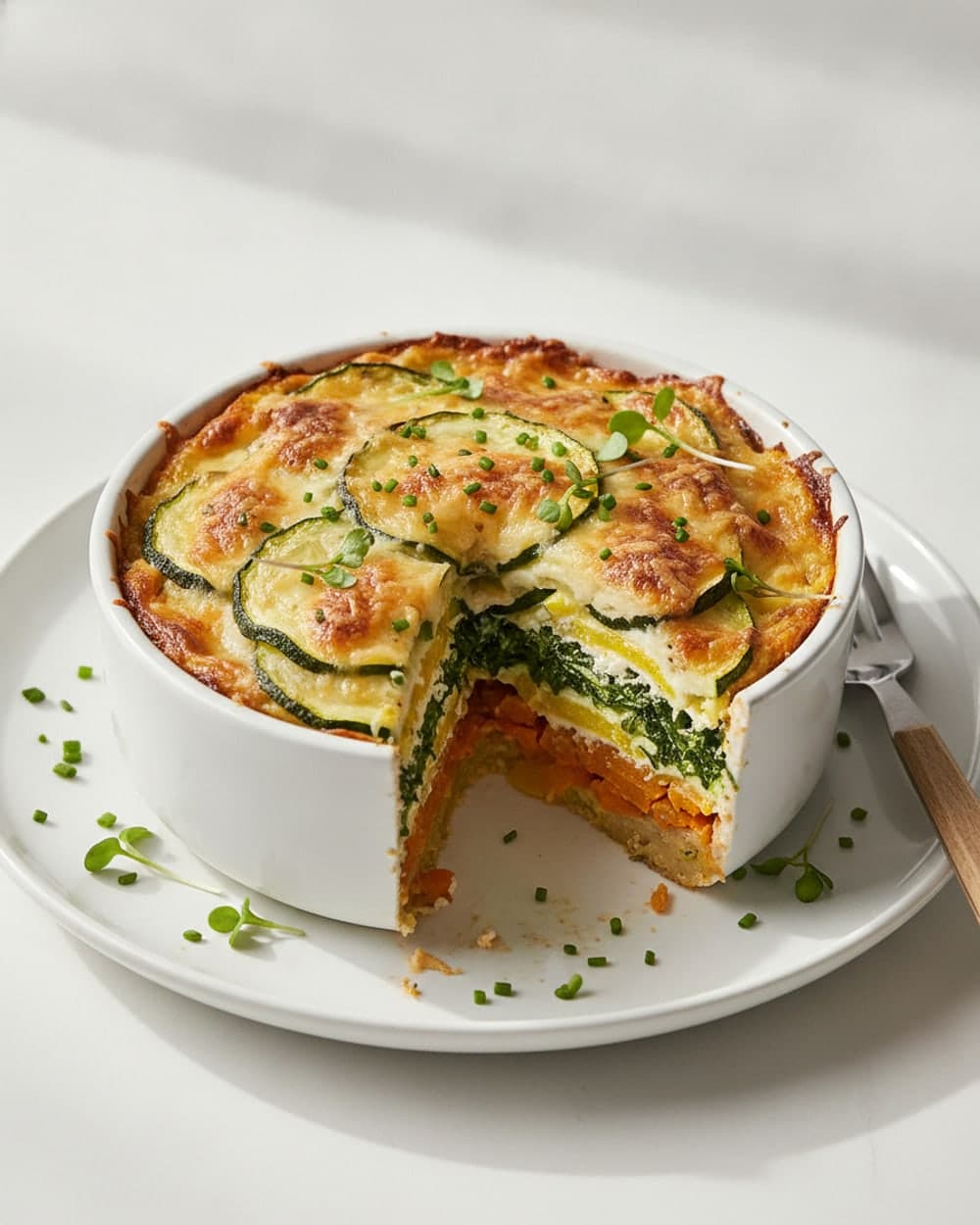
Vegetarian Recipes for a 30g Aim
Plan from this recipe collection when you want a vegetarian menu built around a stated protein goal. The useful step is comparing ingredient lists before shopping, because dairy, eggs, tofu, and legumes contribute differently by brand and portion. Keep a calculator beside the recipe card and divide the finished dish by the number of portions you plate. That leaves you with a number based on your ingredients, not a assumption.
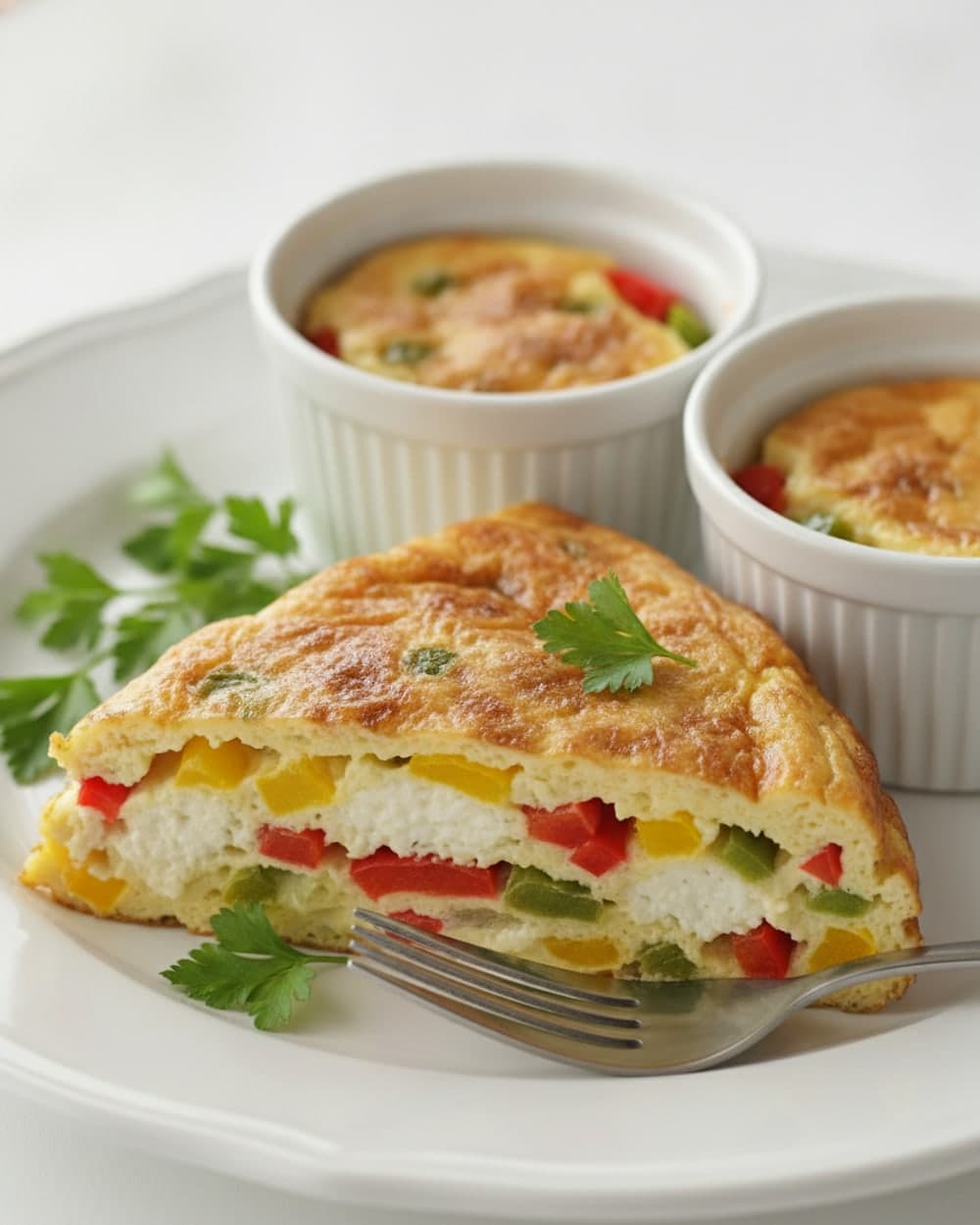
Cottage Cheese Pepper Omelet
Cottage cheese can blend into beaten eggs for an omelet with a softer center and a mild dairy note. Add peppers, scallions, and herbs, then fold in a measured amount of cheese once the eggs begin to set. Keep the filling simple so the omelet cooks evenly. Since cottage cheese varies widely across products, log the container label and the amount used rather than carrying over a number from another recipe.
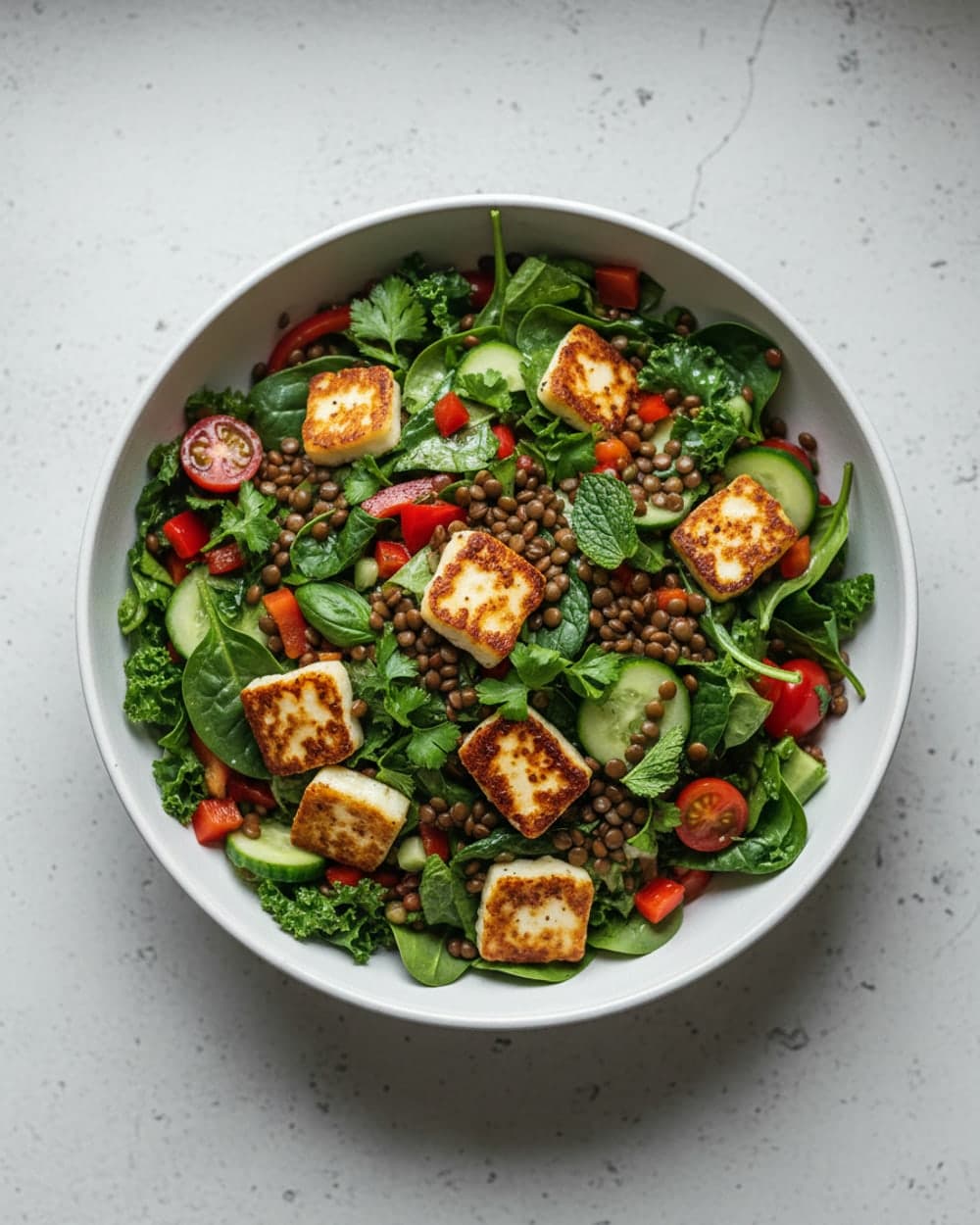
Lentil Halloumi Chopped Salad
Brown lentils and salty halloumi make a sturdy salad that is more dinner than side dish. Use crisp cucumber, tomatoes, lemon, and herbs to balance the richer cheese, then dress just before eating. This format travels well when components are packed separately. Lentil varieties, cheese weights, and dressing amounts all affect the final calculation, so portion the salad into containers first and enter each component before deciding whether it meets your goal.
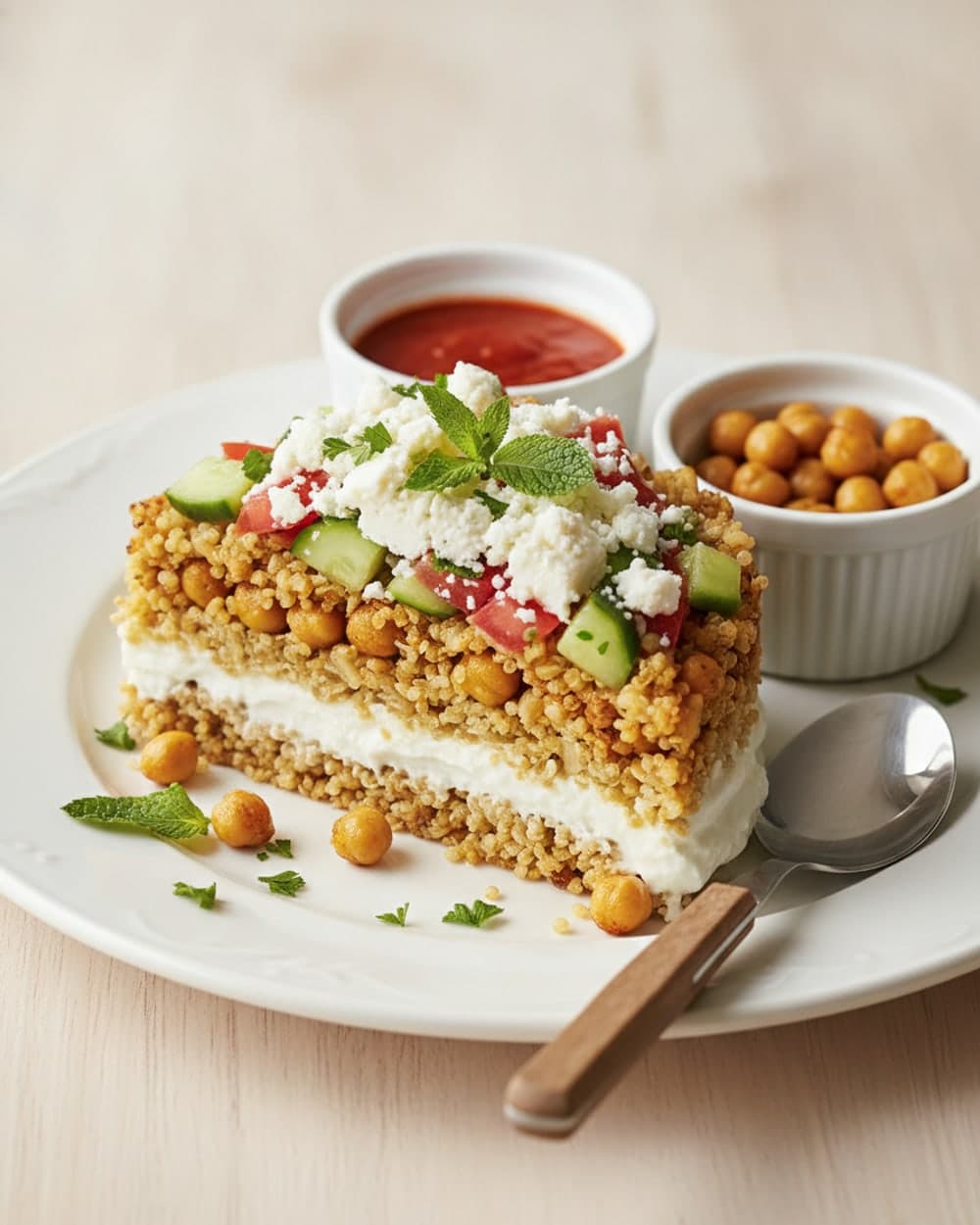
Greek Yogurt Chickpea Grain Bowl
Greek yogurt can become the creamy element in a chickpea bowl instead of a heavier sauce. Combine it with lemon, garlic, and herbs, then layer it under chickpeas, chopped vegetables, and a measured grain portion. Use farro, quinoa, or cauliflower rice according to your carbohydrate plan. The bowl is flexible, but that flexibility means the protein total depends on yogurt style, chickpea amount, and every topping added at home.
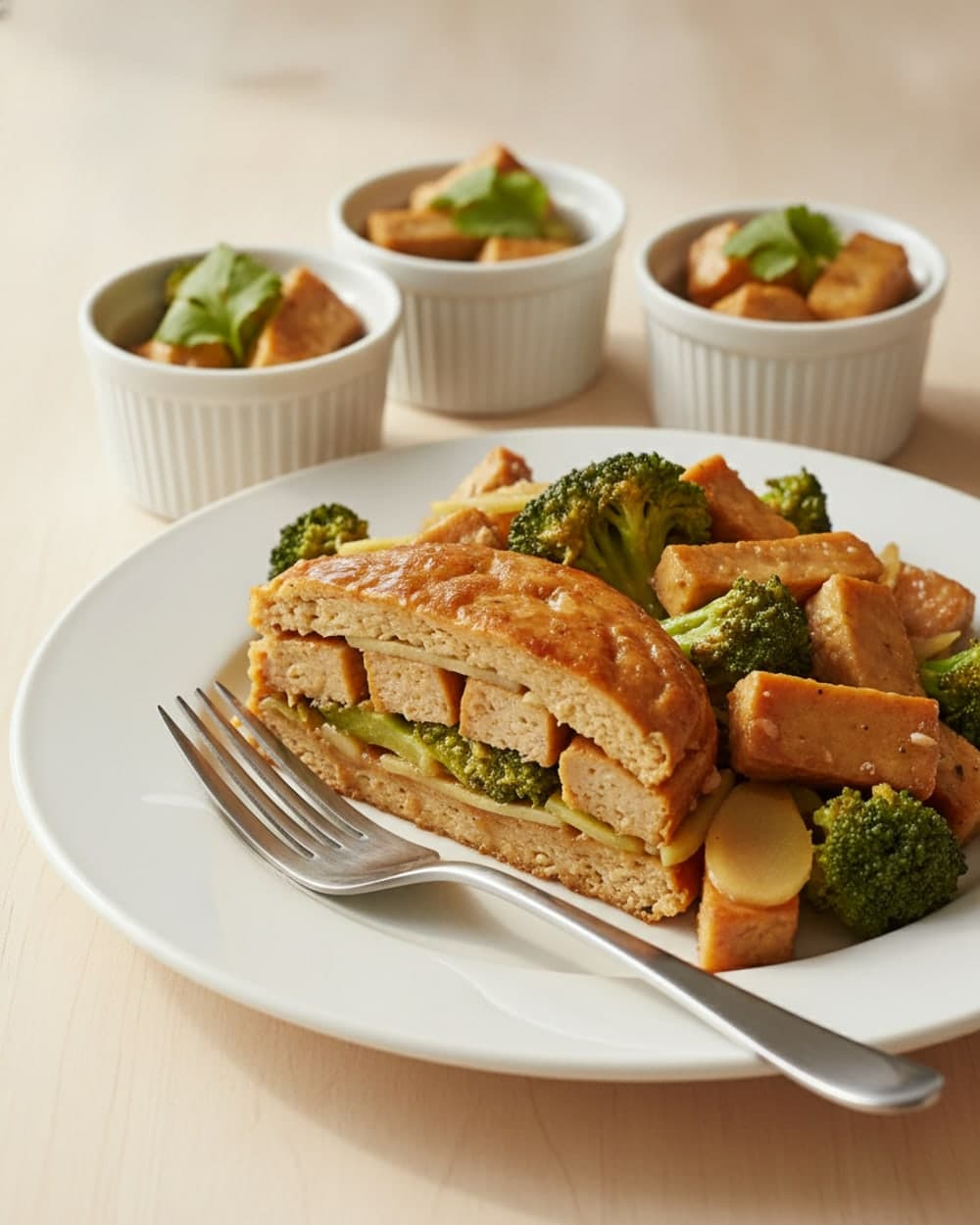
Seitan Broccoli Ginger Stir-Fry
Seitan offers a chewy centerpiece for a quick broccoli stir-fry with ginger, garlic, and a salty sauce. Slice it thinly so it browns quickly, then add broccoli that has been steamed or blanched until tender-crisp. Serve as is or over cauliflower rice for a lower-carbohydrate base. Check the package nutrition and ingredients for your chosen seitan, then calculate the sauce and side before setting a protein target for dinner tonight.
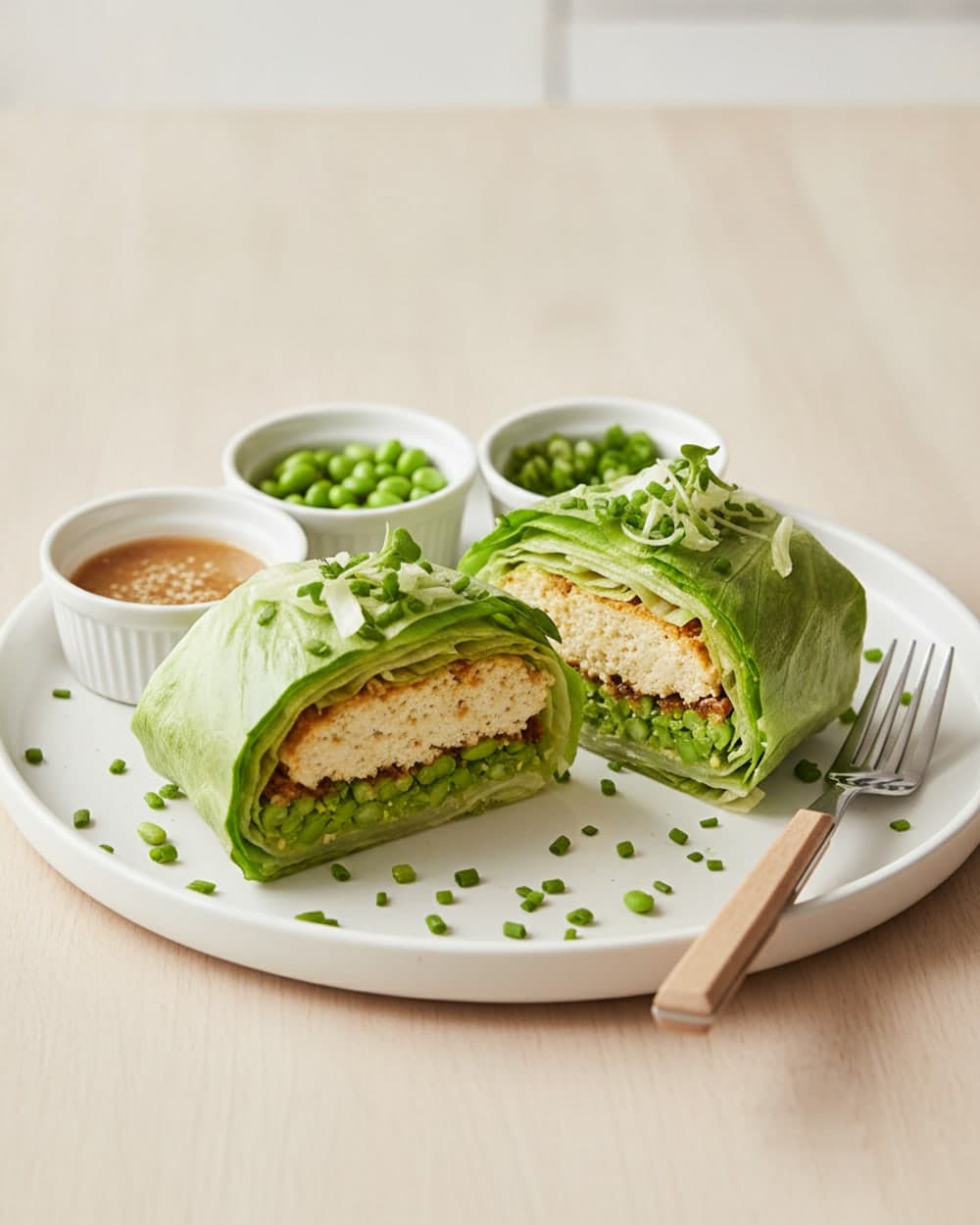
Edamame Tofu Lettuce Cups
Edamame and tofu bring two soy textures to lettuce cups with a savory, crunchy filling. Crumble the tofu, cook it with ginger and garlic, then fold in edamame and sliced water chestnuts or cabbage. Spoon the mixture into sturdy lettuce leaves just before eating. This is an easy format for portioning, although the exact result changes with tofu firmness, edamame quantity, sauce, and any crunchy garnish you choose at home.
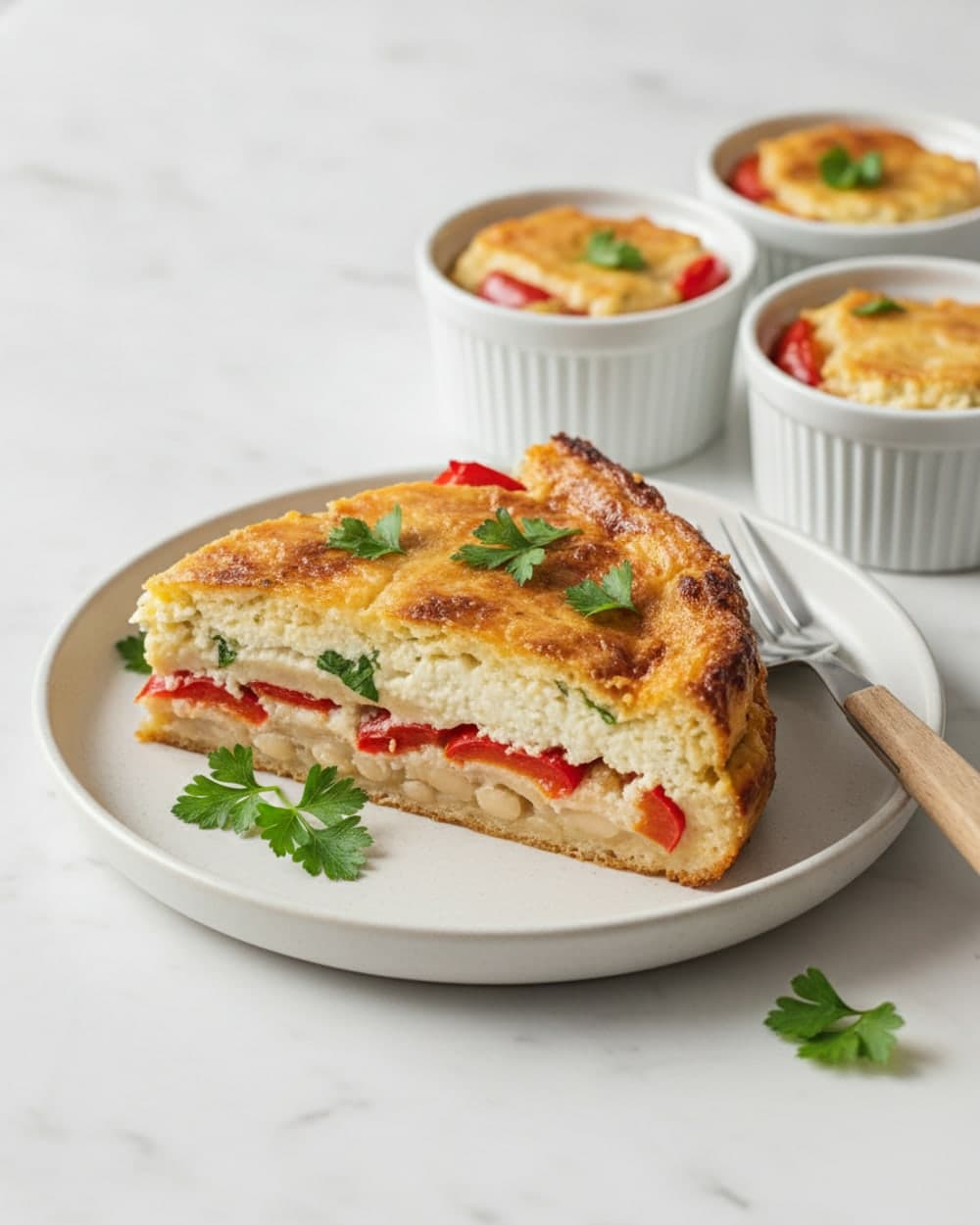
White Bean Ricotta Peppers
Stuffed peppers give white beans and ricotta a contained, fork-ready dinner shape without relying on a large pasta portion. Season the filling with garlic, herbs, tomato, and lemon zest, then bake until the peppers are tender. Add a crunchy salad for contrast or serve the peppers alone. Use drained bean weight and the ricotta label in your calculation, because moisture and product differences can shift the finished serving in either direction.
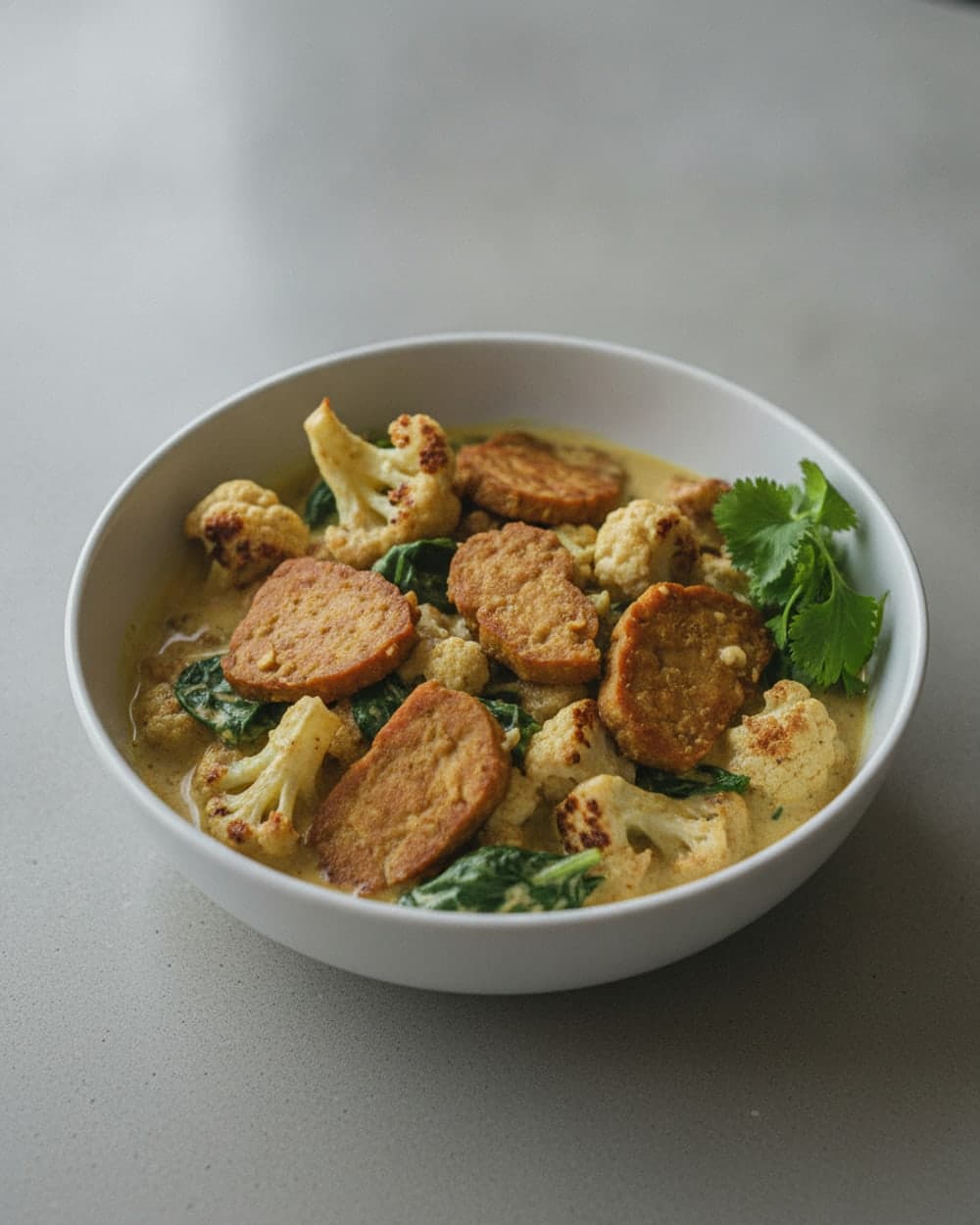
Tempeh Cauliflower Curry Bowls
Tempeh brings a nutty, firm bite to a cauliflower-based curry bowl with spinach and coconut milk. Brown the tempeh first for better texture, then simmer it briefly in the sauce so it absorbs the spices. Cauliflower rice keeps the base lighter than a standard grain bowl. The calculation should include coconut milk, tempeh weight, and any yogurt or nuts used to finish each portion at dinner time for your plan.
Before you go
Save the recipes that fit your ingredient budget, then choose two different formats for the week: perhaps a skillet for tonight and a bake for planned portions. Before shopping, decide which dairy, egg, tofu, or legume anchor you want to calculate. That small step makes a vegetarian rotation easier to repeat, while leaving room for sauces, vegetables, and the flavors that keep dinner interesting.
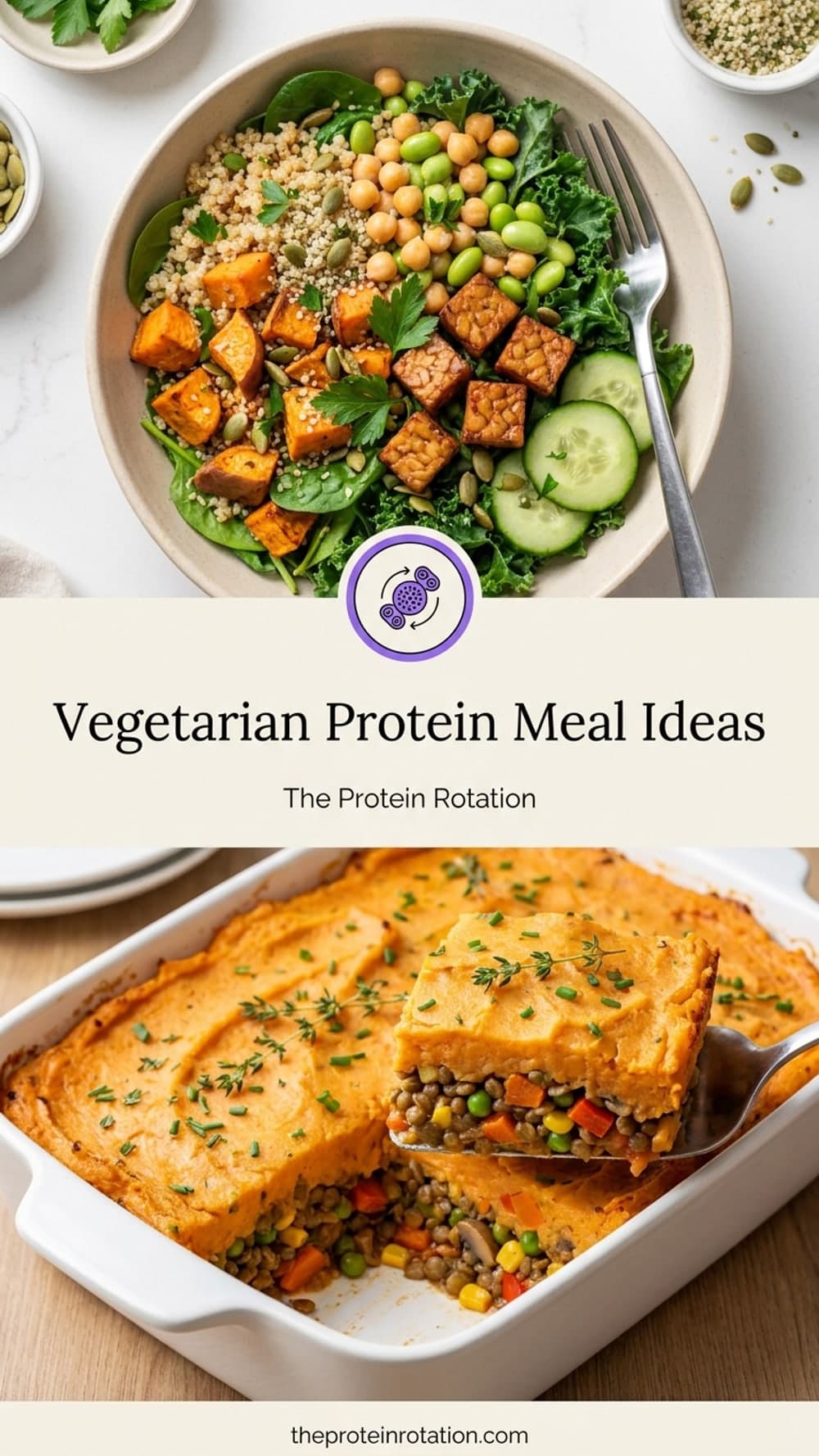
Save this for later
Vegetarian Protein Meal Ideas
Tags
- high-protein-vegetarian-recipes
- vegetarian-meal-planning
- protein-goal-planning
- meatless-dinners
Read next
High Protein
High Protein Vegetarian Recipes for a 30g Target
Build a practical vegetarian meal rotation with 18 sturdy breakfast, lunch, and dinner ideas built around tofu, eggs, beans, dairy, and grains.
Low Carb
- Vegetarian
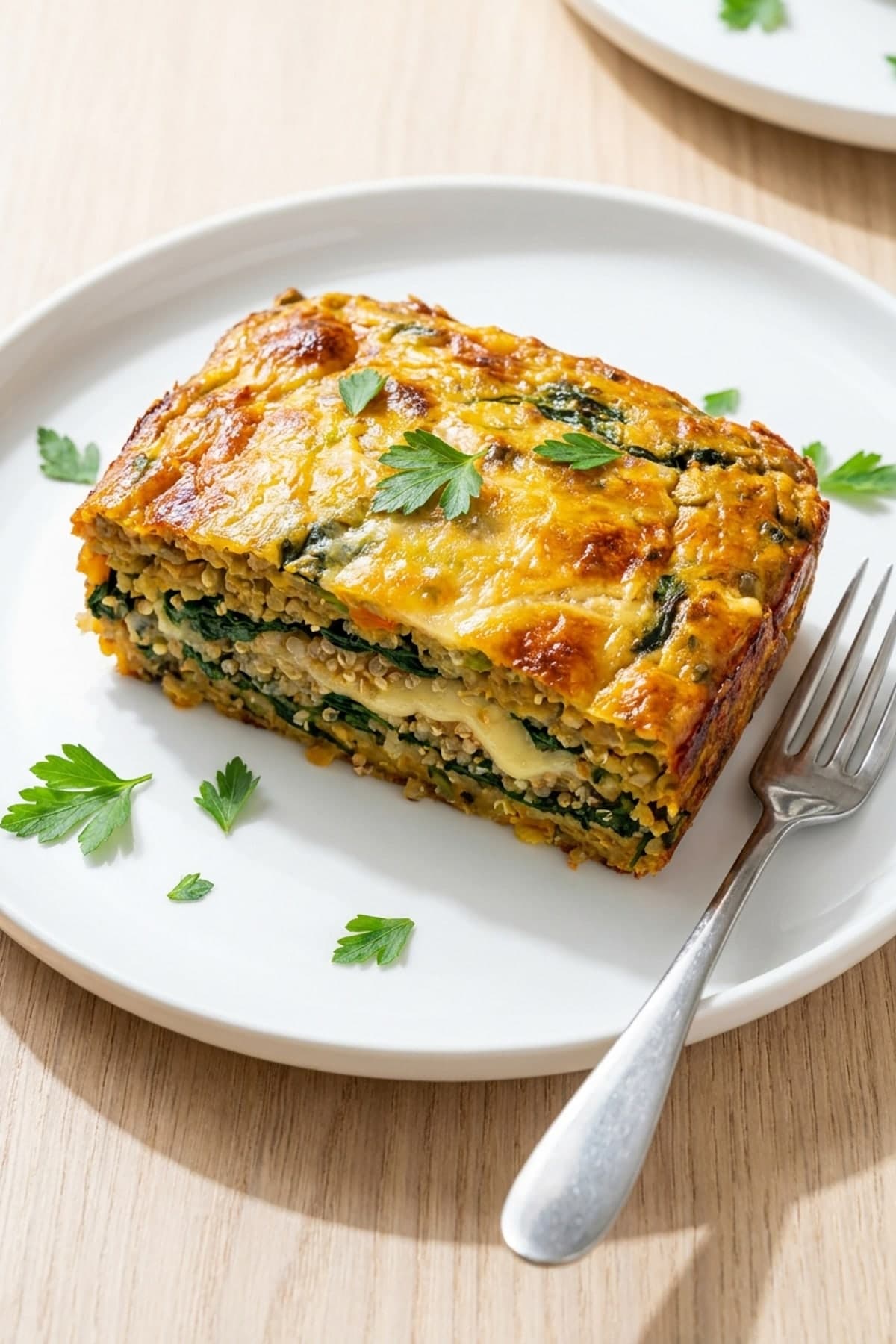
Low Carb Vegetarian Recipes: Spinach Feta Egg Skillet
45 min total6 servings16.1g protein268 kcal
Make this low carb vegetarian spinach feta egg skillet with zucchini, ricotta, and basil for a practical meatless breakfast or dinner.
High Protein
- High-protein
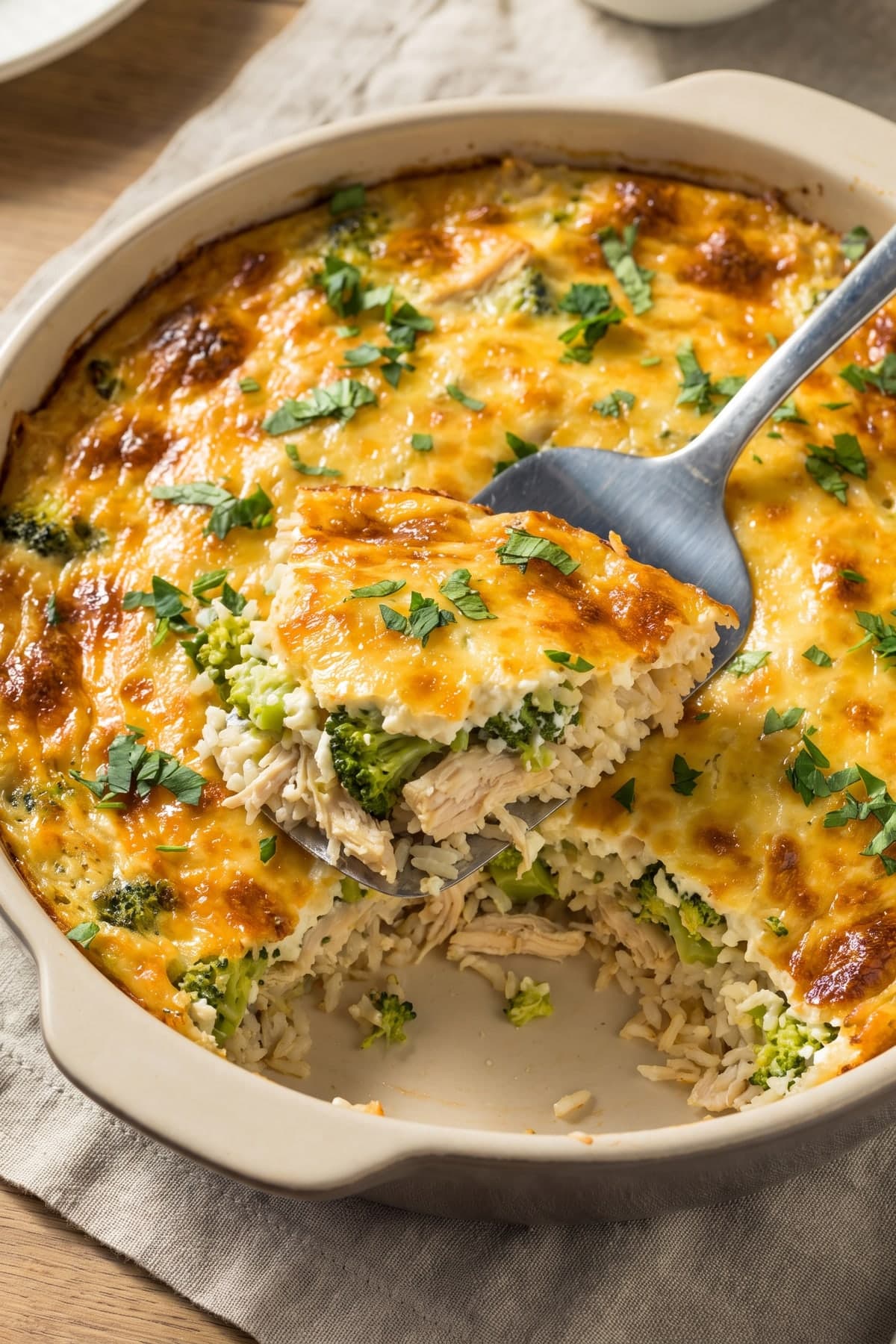
High Protein Casserole Recipes: Chicken Broccoli Rice Bake
50 min total6 servings47.8g protein510 kcal
A practical chicken, broccoli, cottage cheese, and rice bake for high protein casserole recipes, with measured ingredients and make-ahead steps.
High Protein
- High-protein
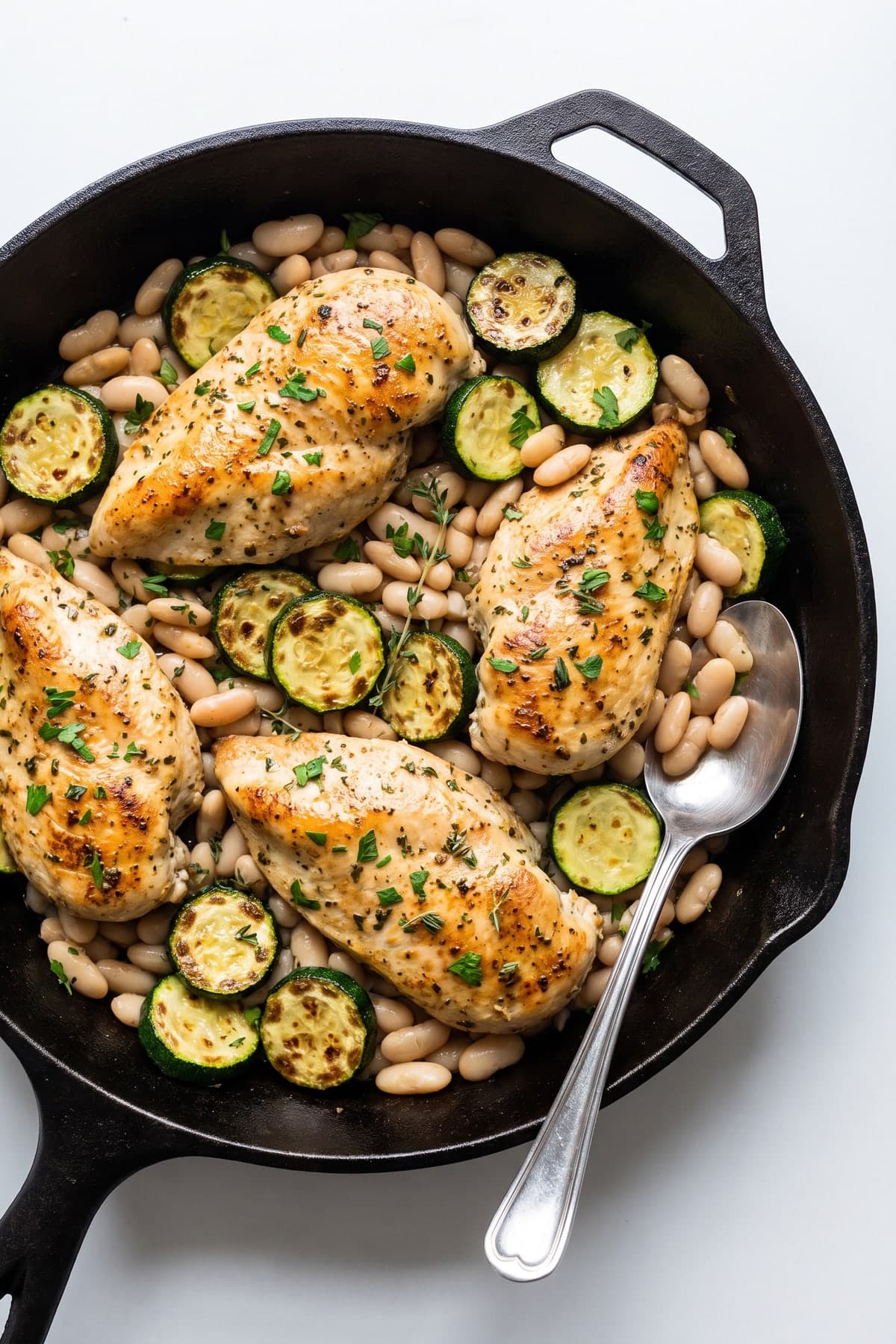
High Protein Chicken Recipes: Garlic Herb Skillet
35 min total4 servings51.1g protein473 kcal
Make this garlic herb chicken skillet with zucchini, peppers, white beans, and feta for a dependable dinner built around chicken breast.
High Protein
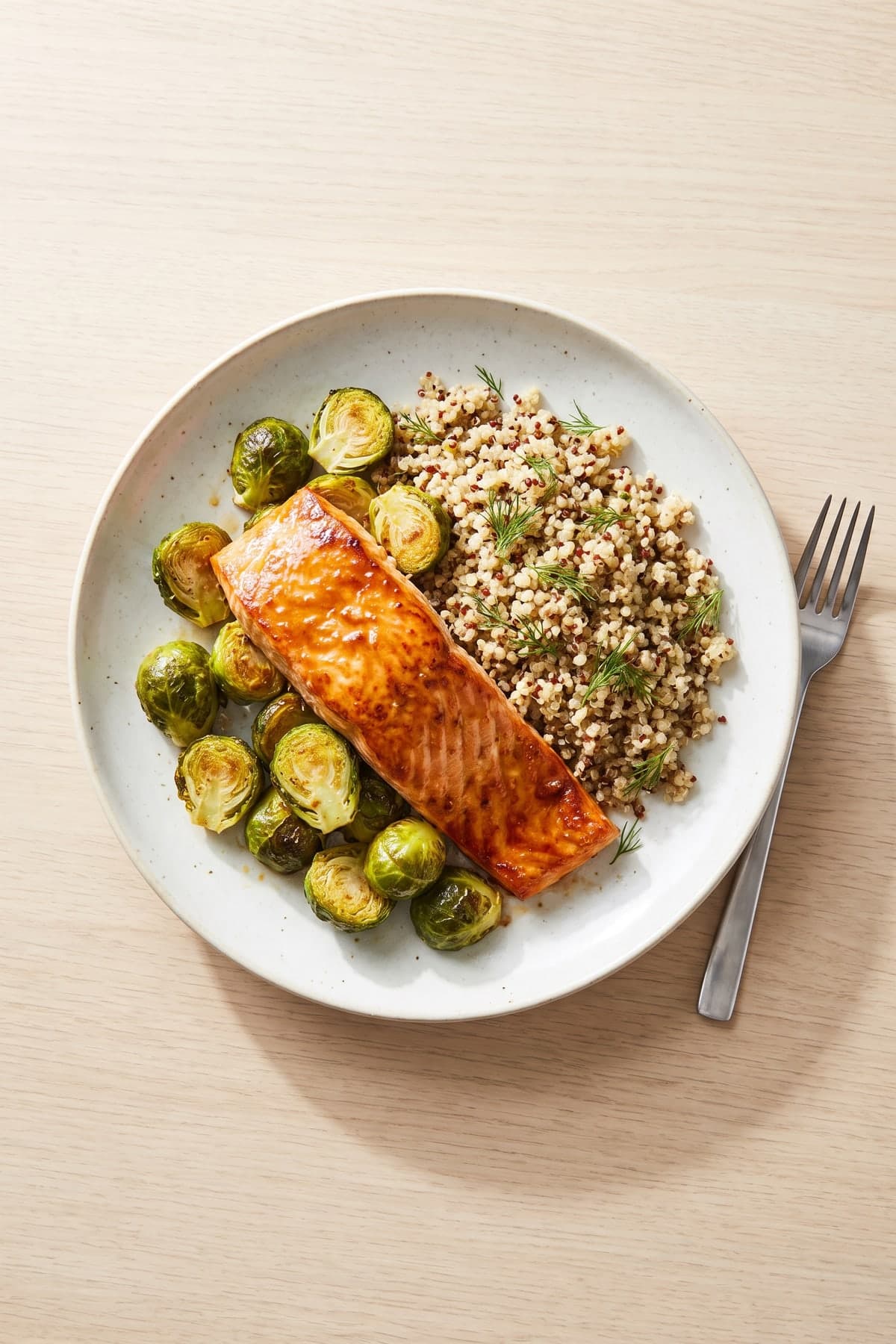
High Protein Dinner Recipes, Sorted by Grams
Plan weeknight dinners around chicken, beef, shrimp, eggs, and tofu, with linked recipe cards to check portions and nutrition details.
High Protein
- Low-carb
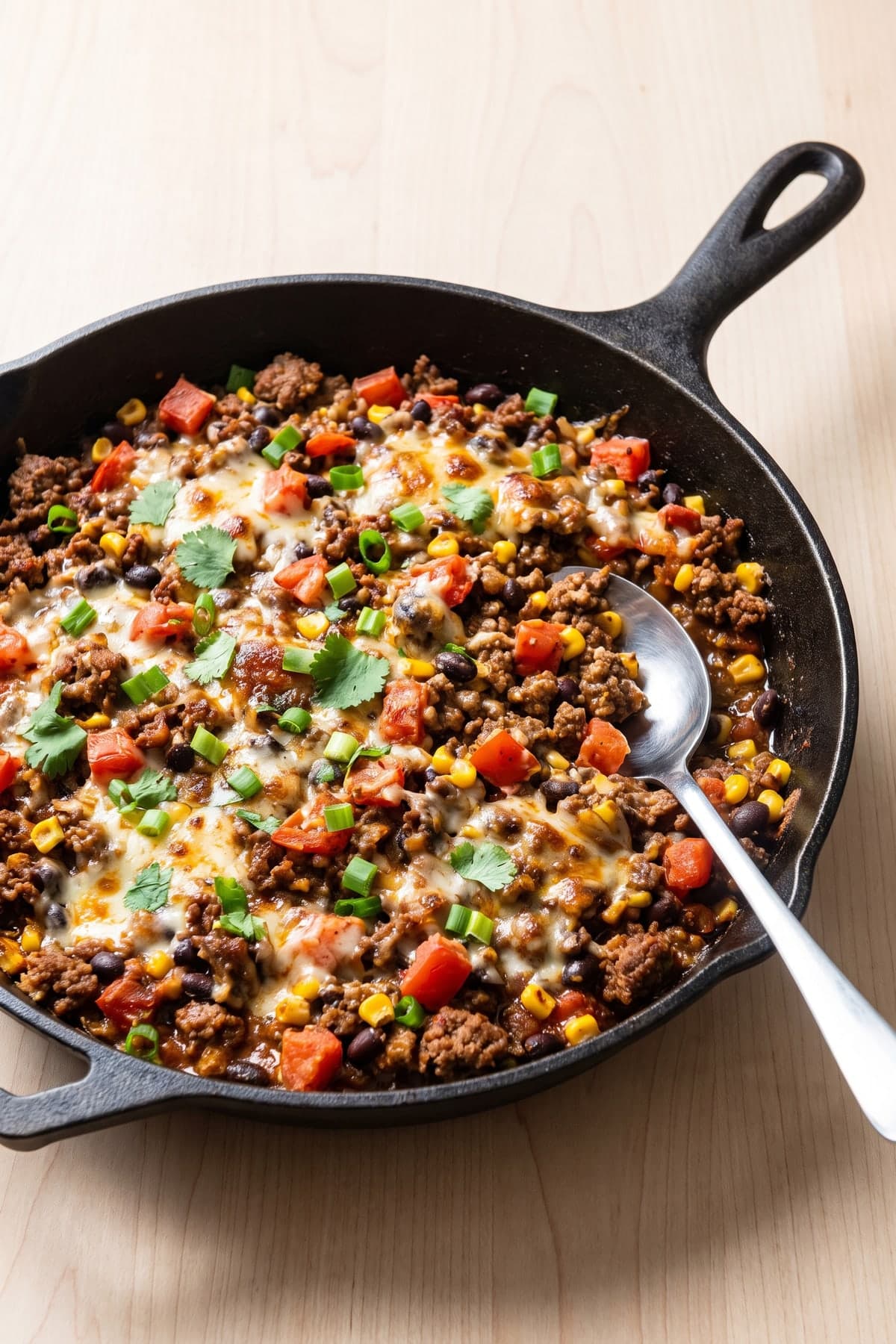
High Protein Ground Beef Recipes: Beef Taco Skillet
35 min total4 servings47.1g protein636 kcal
Build a reliable beef taco skillet with lean ground beef, eggs, peppers, spinach, salsa, and cheddar. It serves four in 35 minutes.