Low Carb Recipes for Easier Carb Tracking
Poultry, beef, eggs, shrimp, and tofu give a low-carb rotation enough range without turning dinner into a separate project. This list gathers skillet meals, casseroles, soups, and meal-prep lunches built around familiar ingredients. Each entry flags the starch choices that change the total, so you can check labels and portion sizes before adding a dish to your week. Exact nutrition values are not presented here because no verified calculation was supplied.
Protein grams per serving are likewise not listed; choose your anchor portion separately, then use the recipe instructions as a dinner framework for a practical weekly plan.
18 recipes in this roundup
Creamy Garlic Chicken Skillet
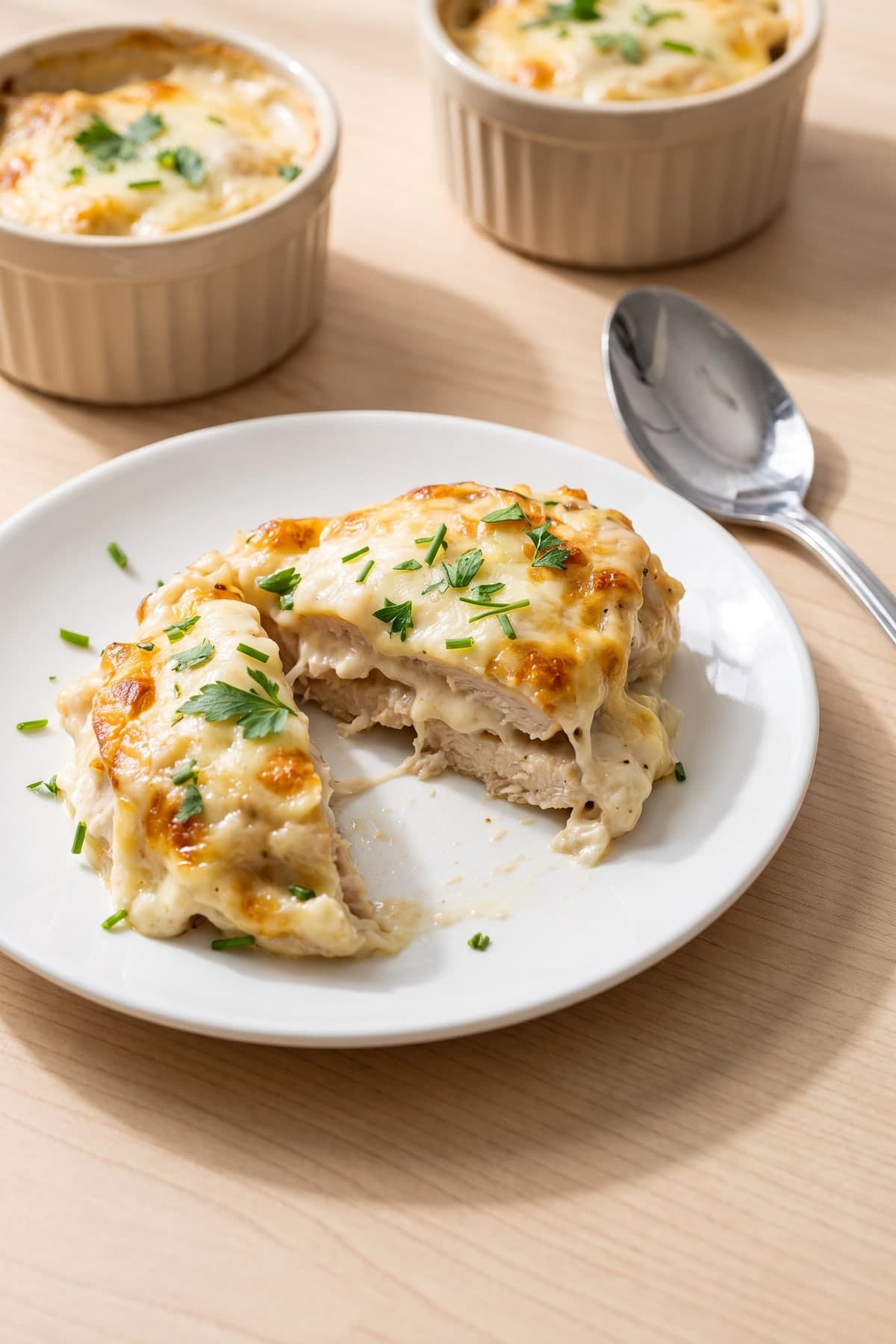
Boneless chicken cooks in a skillet with garlic and a creamy sauce, making it a direct option for nights when you want one pan. Pair it with cauliflower, broccoli, or a simple green salad rather than pasta. Measure any sauce additions from their labels, since dairy products vary. The dish belongs near the start of a rotation because the cooking method is straightforward and the side can change easily through winter.
Lemon Feta Shrimp Skillet
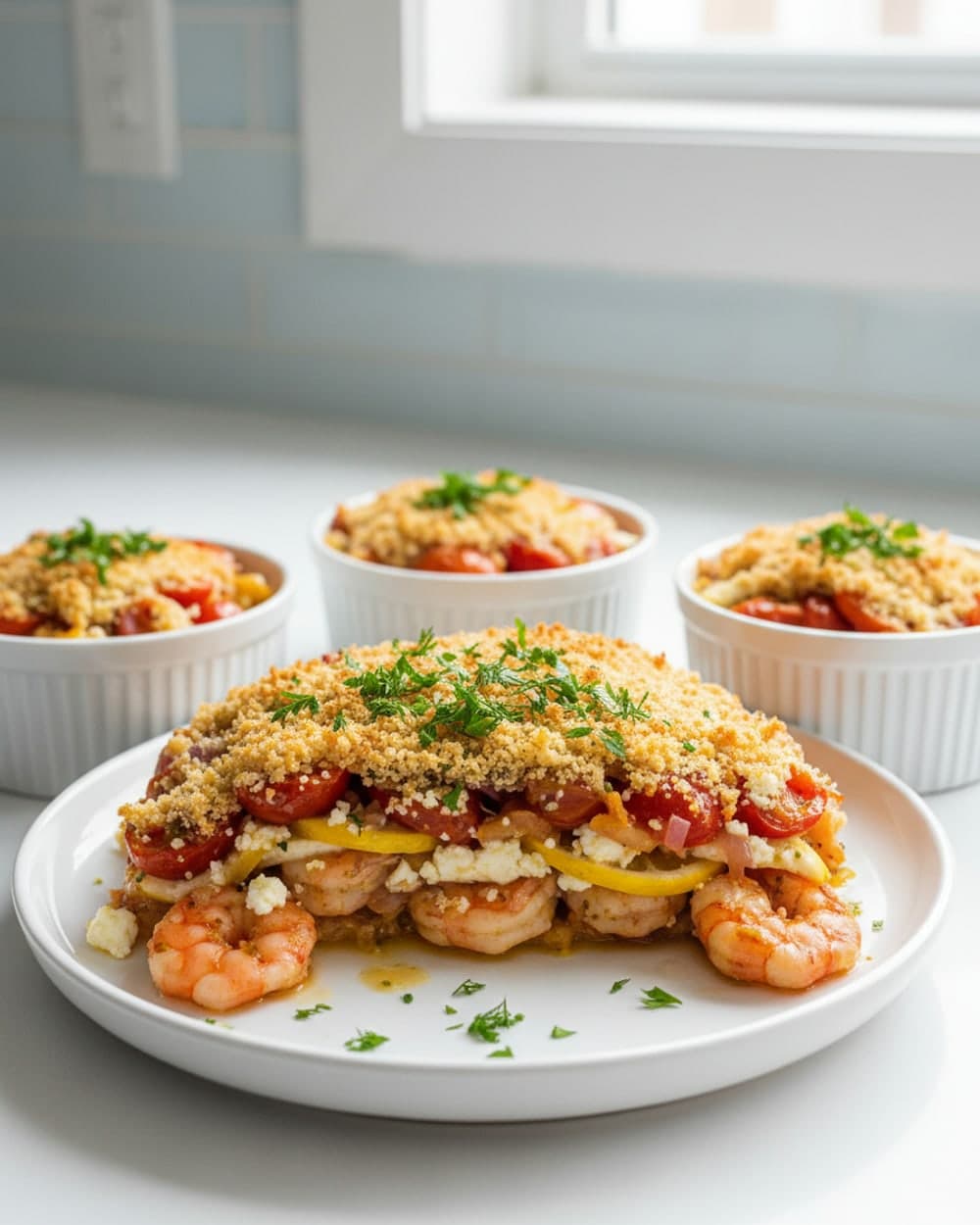
Shrimp, lemon, feta, and vegetables create a fast skillet format with a bright, salty direction. Keep the vegetables cut evenly so they finish near the same time as the shrimp. Serve it alone, over greens, or with cauliflower rice depending on your plan. Check the feta and any prepared seasoning blend for label differences, then keep the portioning consistent when you repeat the meal during a busy week at home again.
Cheeseburger Cabbage Skillet
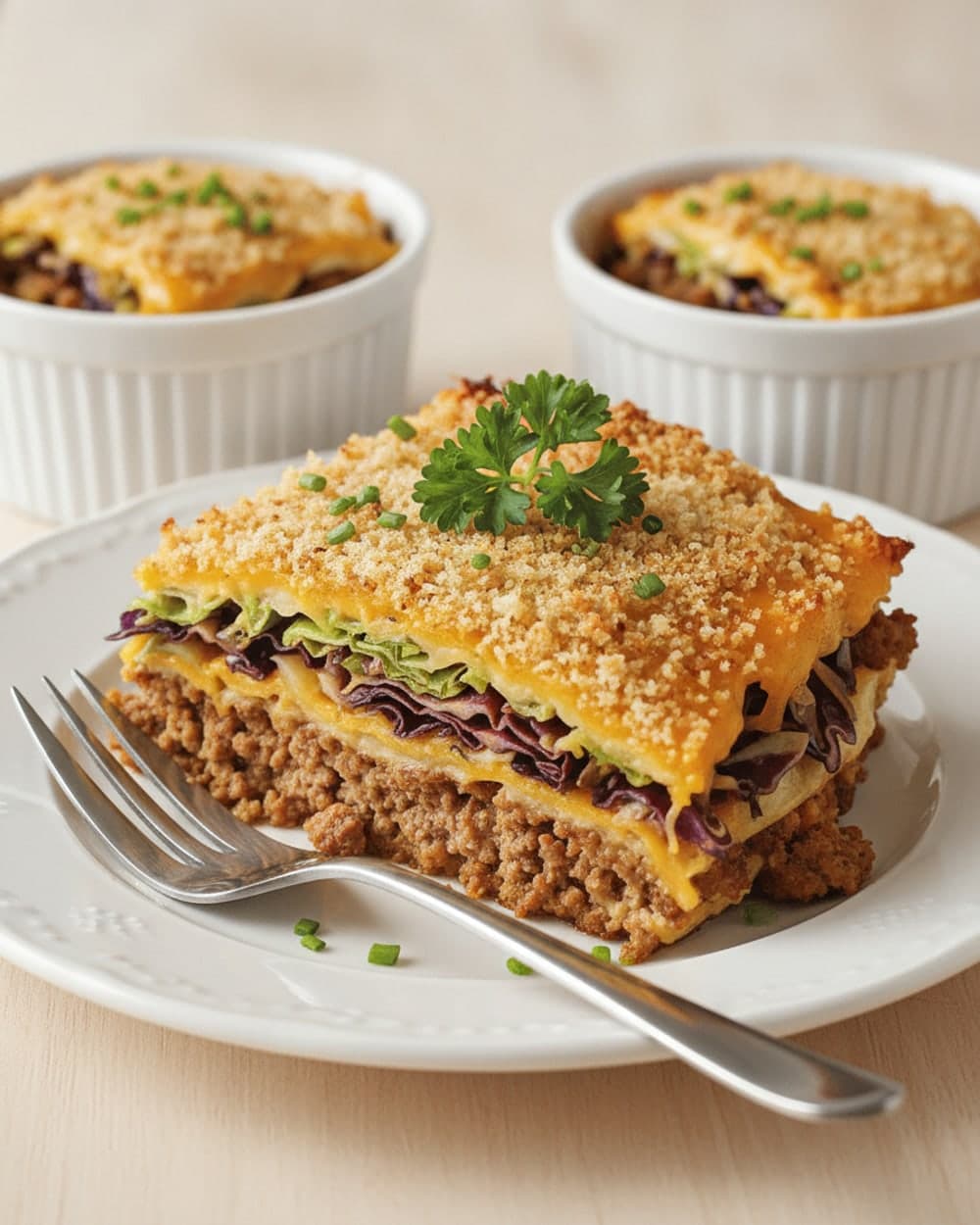
Ground beef and cabbage make this a useful skillet meal when you want familiar burger flavors without a bun. Onion, cheese, and a tangy sauce bring the main flavor notes, so keep those measured rather than pouring freely. Use a broad pan to give the cabbage room to soften. For a dinner rotation, portion the finished skillet into containers with pickles or a crunchy cucumber side for easy packed lunches later this week.
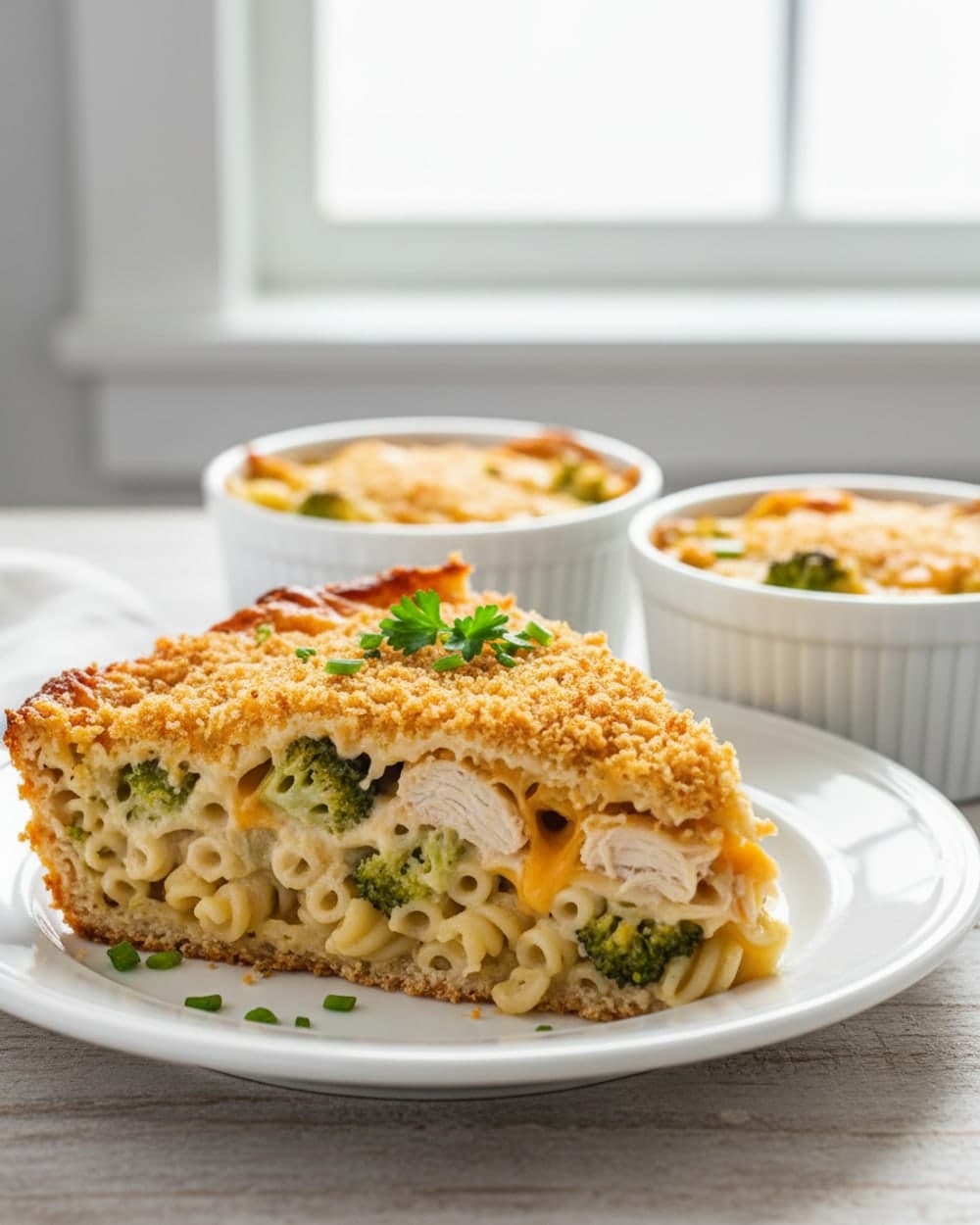
Chicken Broccoli Cheddar Casserole
Chicken, broccoli, and cheddar suit a casserole format that can cover several planned dinners. Cut broccoli into small florets so each scoop includes both vegetables and sauce. The recipe works best with a clearly measured cheese layer, since that ingredient can shift the overall carbohydrate total between products. Bake until the center reaches 165°F. Divide the pan after cooling, and choose a crisp salad for contrast alongside fresh herbs if wanted.
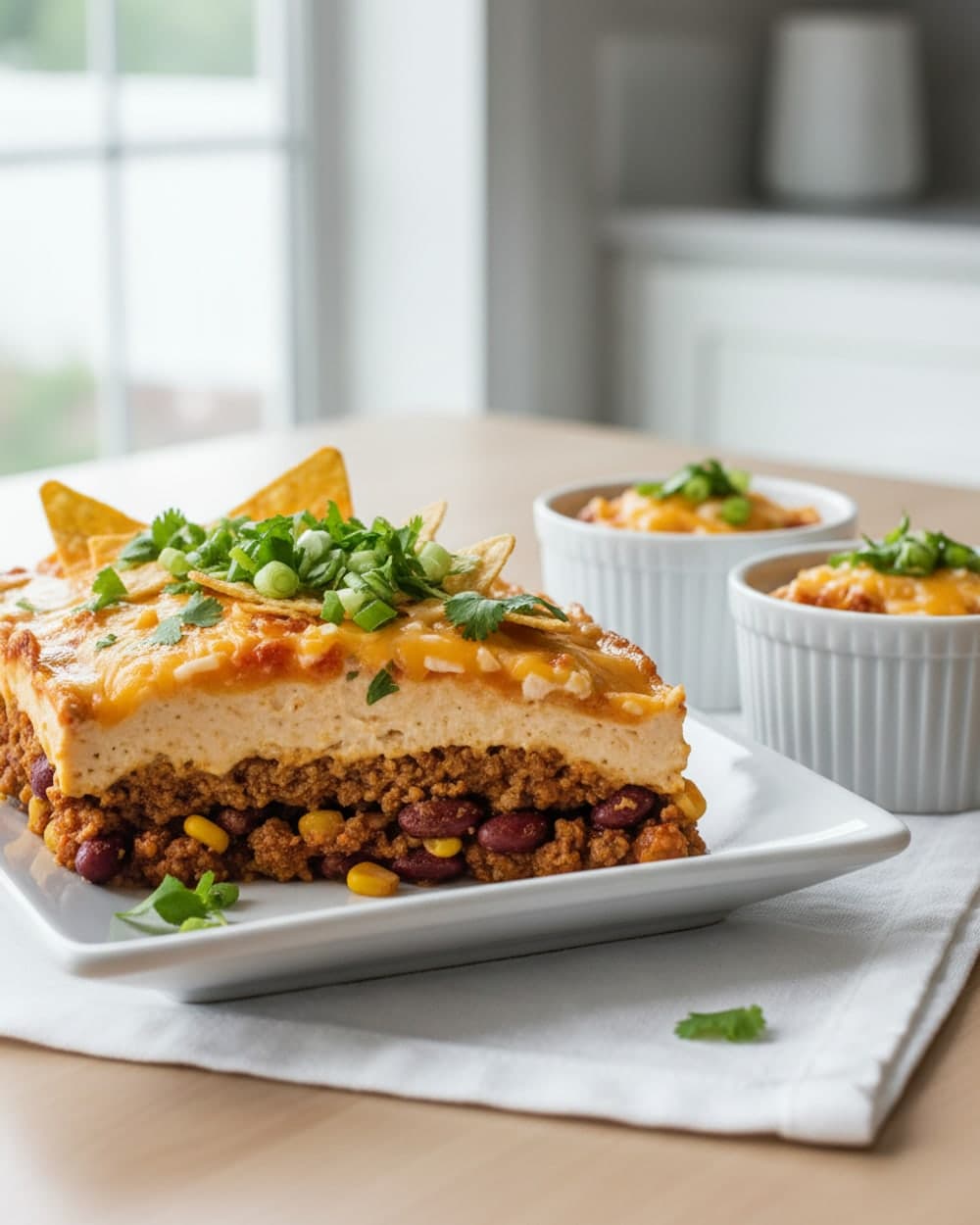
Creamy Taco Soup
Ground beef, broth, spices, and a creamy finish give this soup a sturdy place in cold-weather planning. Keep toppings separate until dinner so cabbage, radishes, or avocado retain their texture. A measured seasoning mix matters here because packaged blends can include starches. Make a larger pot when you need several lunches, then use identical bowls to make portions easier to compare across the week and write down your serving plan beforehand.
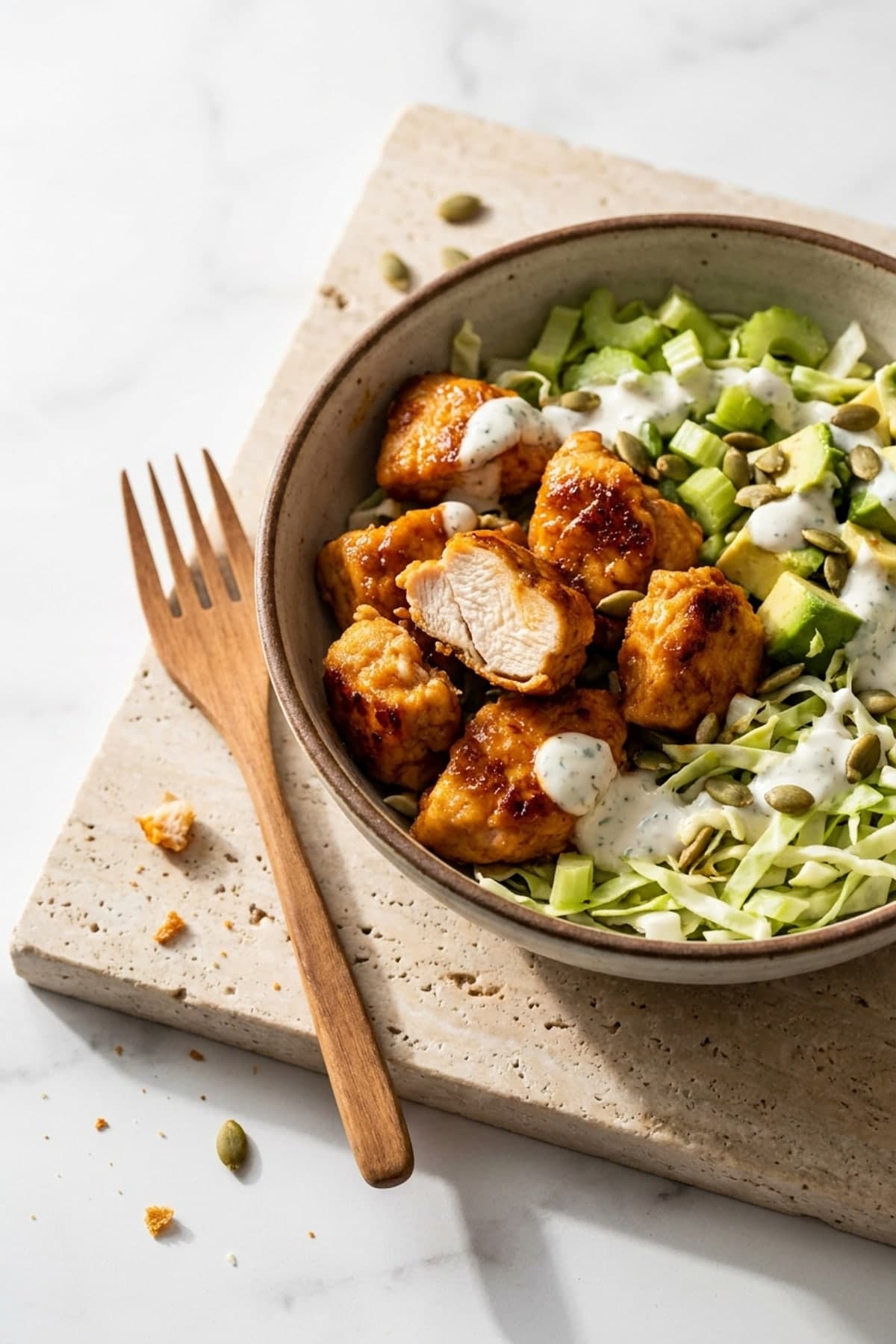
Buffalo Chicken Crunch Bowls
These bowls center chicken and crisp vegetables, with buffalo-style sauce providing the sharp, spicy element. Build each container with a measured sauce portion instead of dressing the full batch at once. Cabbage and celery provide crunch, while avocado can add a richer component when it fits your plan. Use the bowl format for lunch planning, but verify every packaged sauce and seasoning label before calculating your own totals at home first.
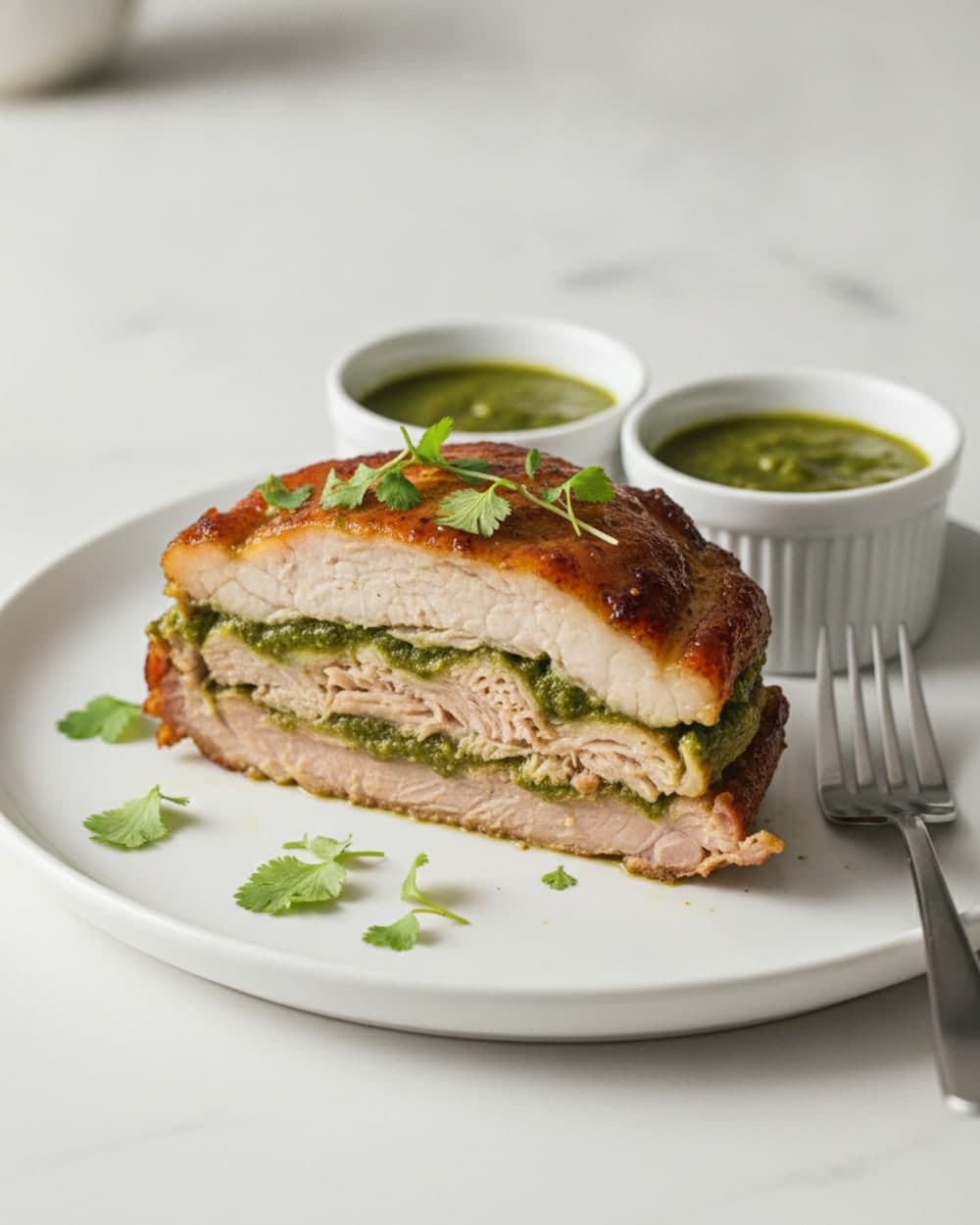
Salsa Verde Pork
Pork cooked with salsa verde offers a hands-off route to bowls, lettuce cups, or cauliflower rice plates. Choose a salsa verde with a label you can track, because jarred versions differ in ingredients. Shred the pork after cooking and stir it back through the juices for an even distribution of flavor. Add radishes, cilantro, and lime at the table to keep the base batch flexible for several meals through the week ahead.
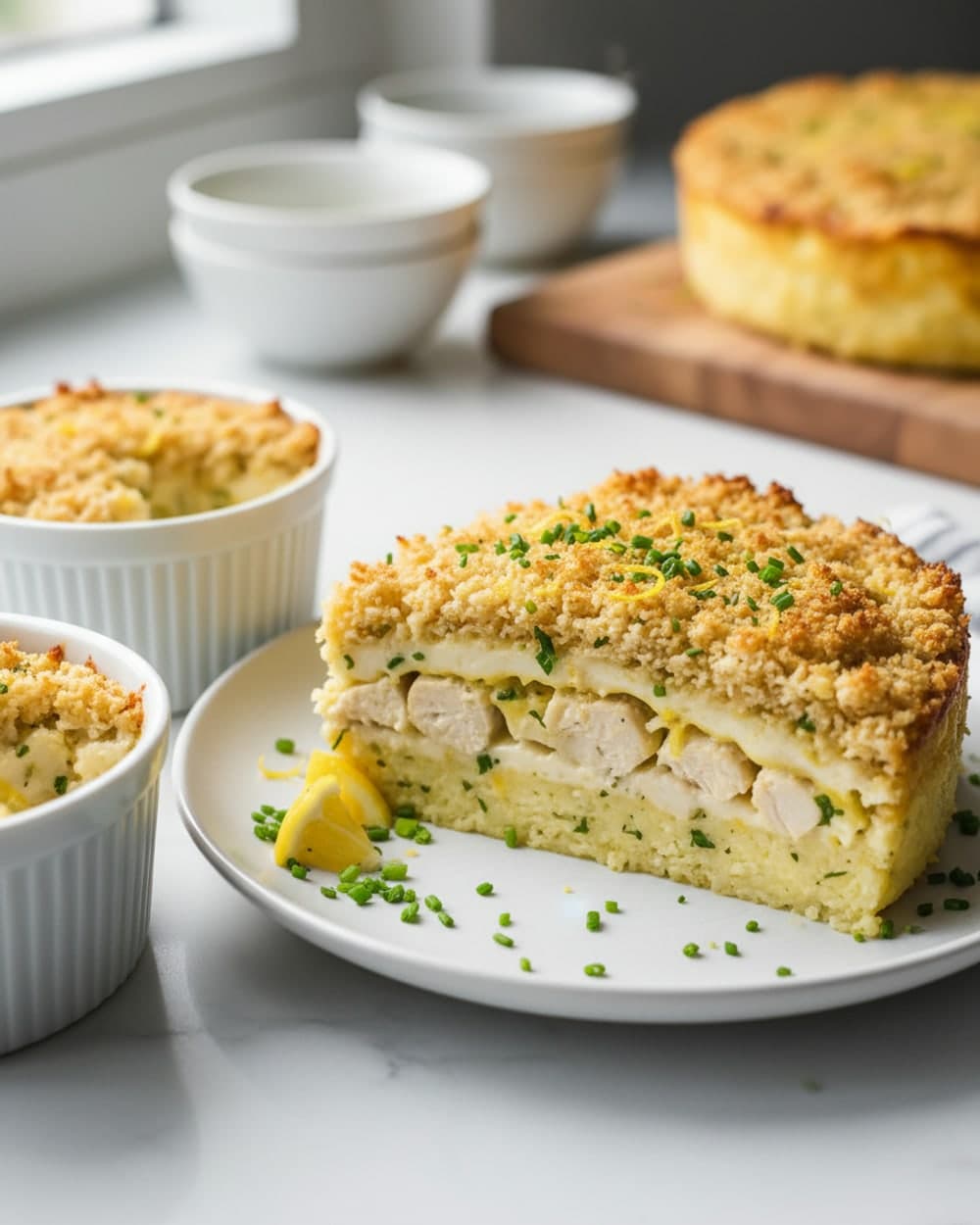
Lemon Chicken Cauliflower Dinner
Lemon chicken with cauliflower keeps the plate built around a main protein and a vegetable side. Brown the chicken first, then let lemon and pan juices flavor the cauliflower in the same pan. A fresh herb finish prevents the dish from reading flat without requiring a separate sauce. Choose this when you need a short ingredient list and want leftovers that can move easily into lunch containers the following day too.
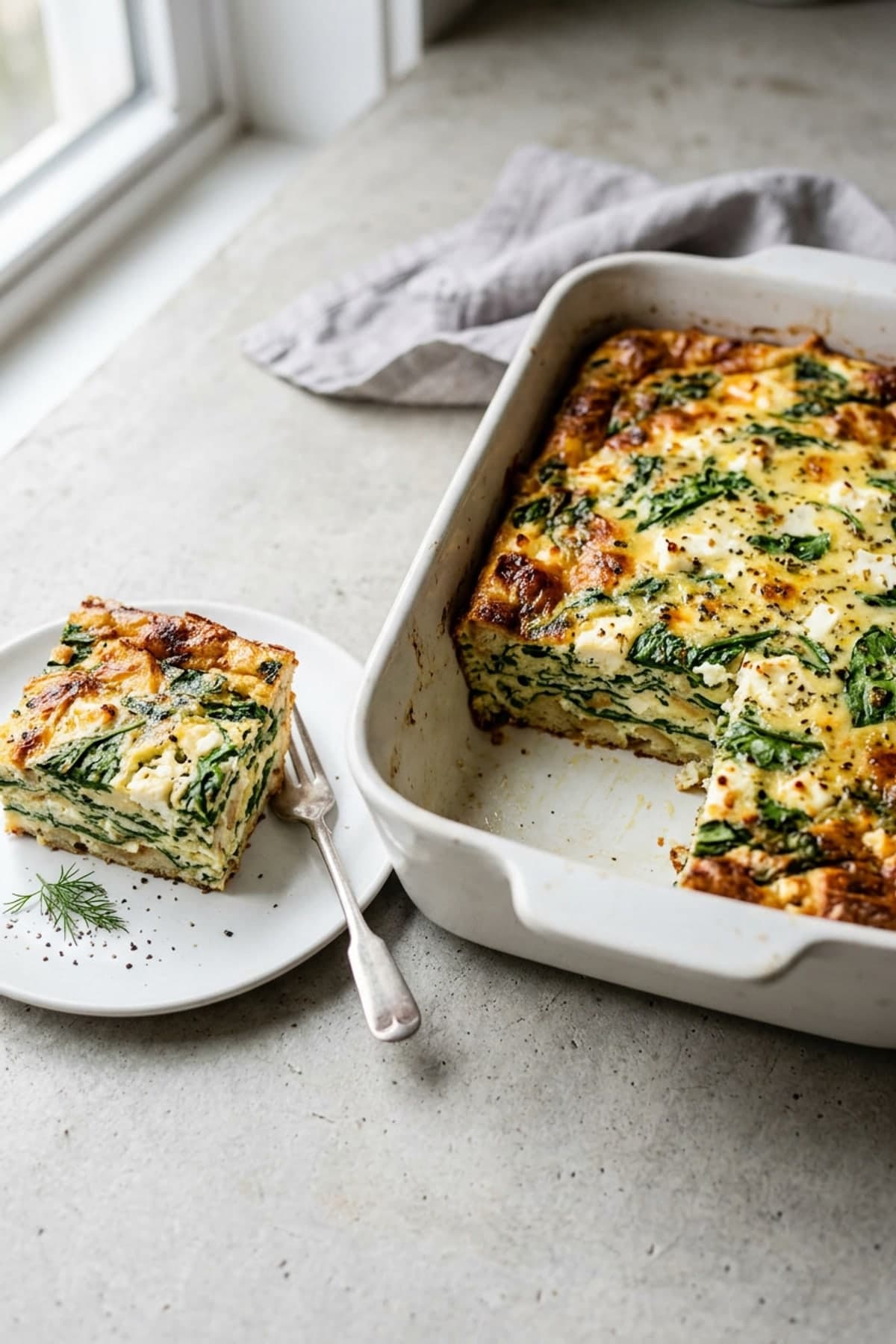
Spinach Feta Egg Bake
Eggs, spinach, and feta make a compact bake for breakfast, lunch, or a light dinner. Slice the finished pan into equal squares so the add-ins are distributed more predictably. Pair a square with tomatoes, cucumbers, or leftover roasted vegetables rather than toast if you are keeping the meal lower in carbohydrates. Bake until the center reaches 160°F, then cool before packing portions for a planned weekday morning or midday meal later.
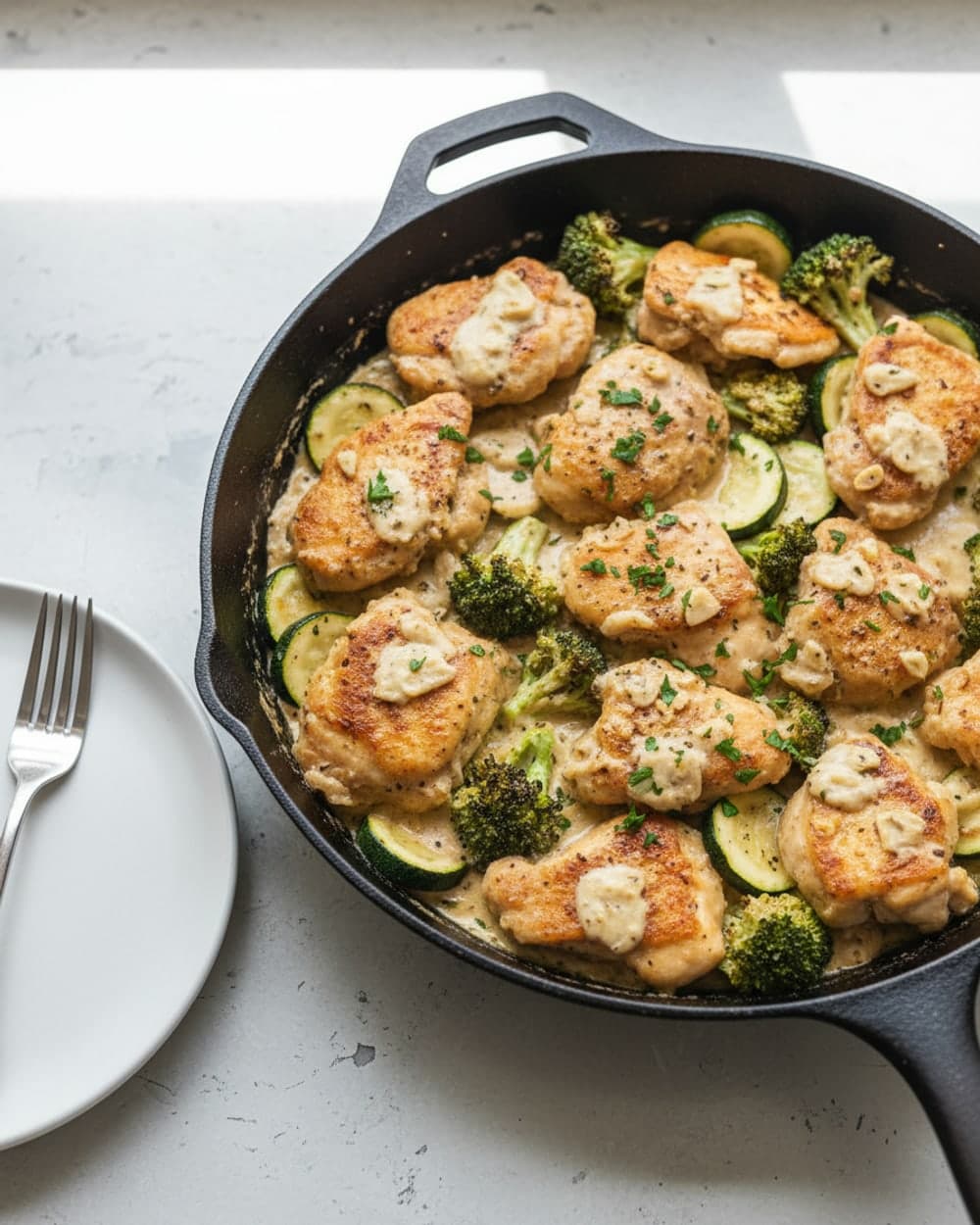
Garlic Parmesan Chicken Skillet
Garlic and parmesan give chicken a rich skillet direction, while broccoli or zucchini can handle the vegetable role. Use finely grated parmesan so it melts into the sauce instead of clumping in the pan. The dish works with a simple side salad when you want more volume without another cooked component. Keep jarred garlic products and seasoning blends visible during planning, since their labels are the details worth checking each time.
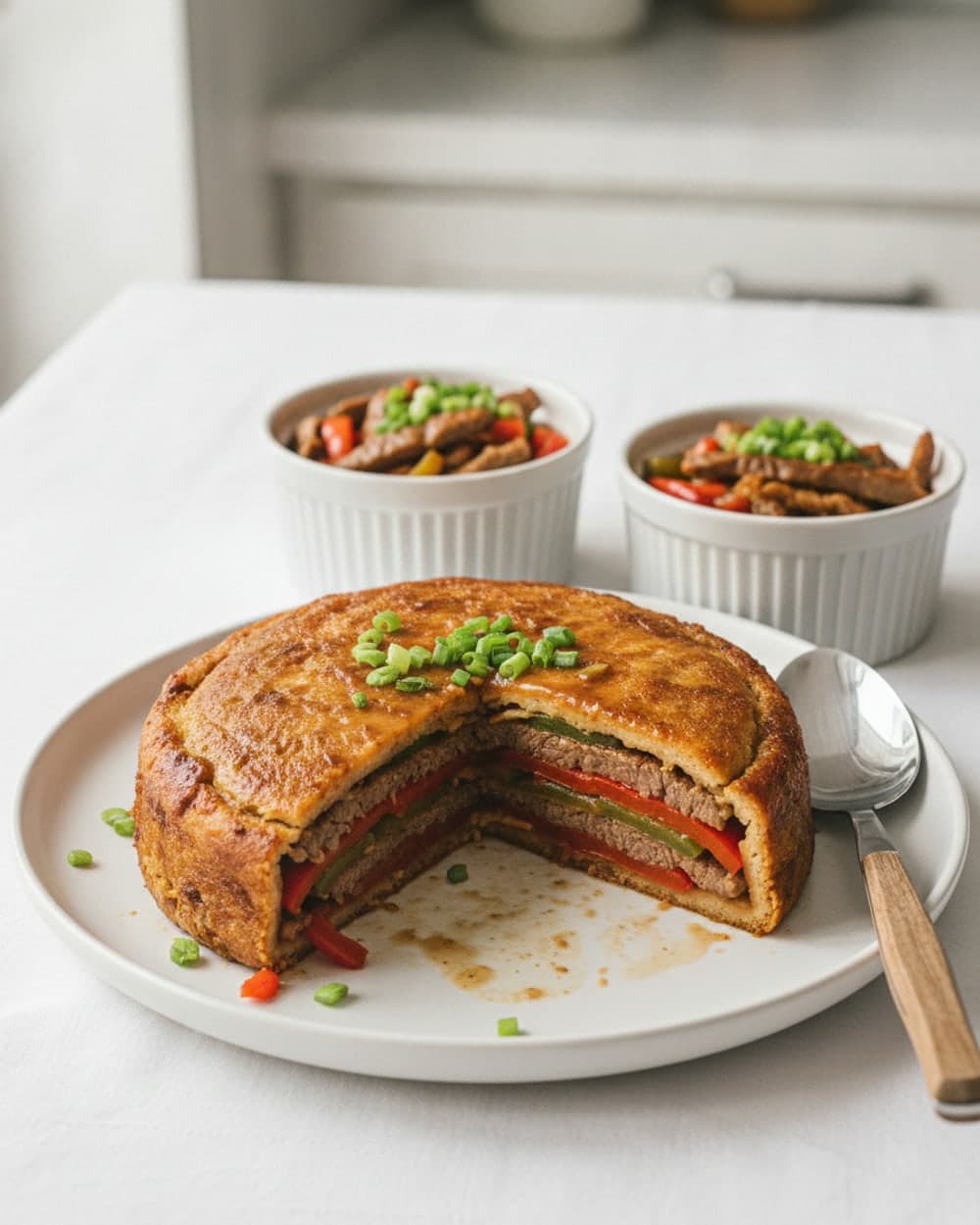
Beef and Pepper Skillet
Ground beef, bell peppers, and onions create a direct dinner that can be finished with cheese or herbs. Cook the vegetables until softened but still distinct, which keeps the skillet from becoming watery. This is a practical place to use a measured condiment, especially ketchup-style sauces that vary widely by product. Serve it in bowls or lettuce cups, then reserve any higher-carbohydrate sides for another household meal at the same table.
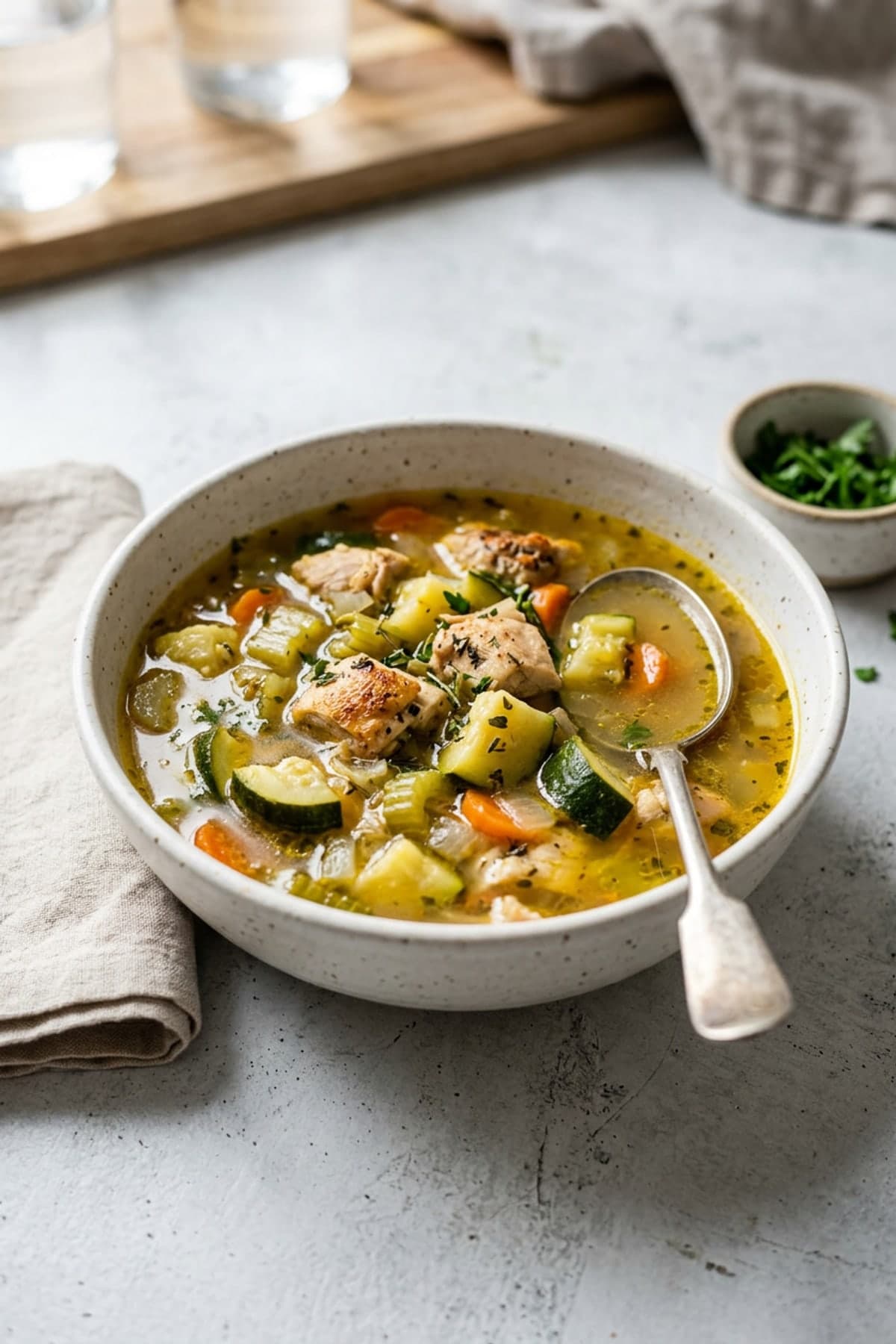
Chicken Zucchini Soup
Chicken and zucchini give this soup a light structure, while broth, herbs, and lemon keep the flavor defined. Cut zucchini close to the same size so the pieces cook evenly without disappearing into the broth. This pot suits a lunch rotation when you want a vegetable-heavy option that is still centered on a substantial main ingredient. Portion the soup after it cools, and add fresh herbs when reheating each bowl at home later.
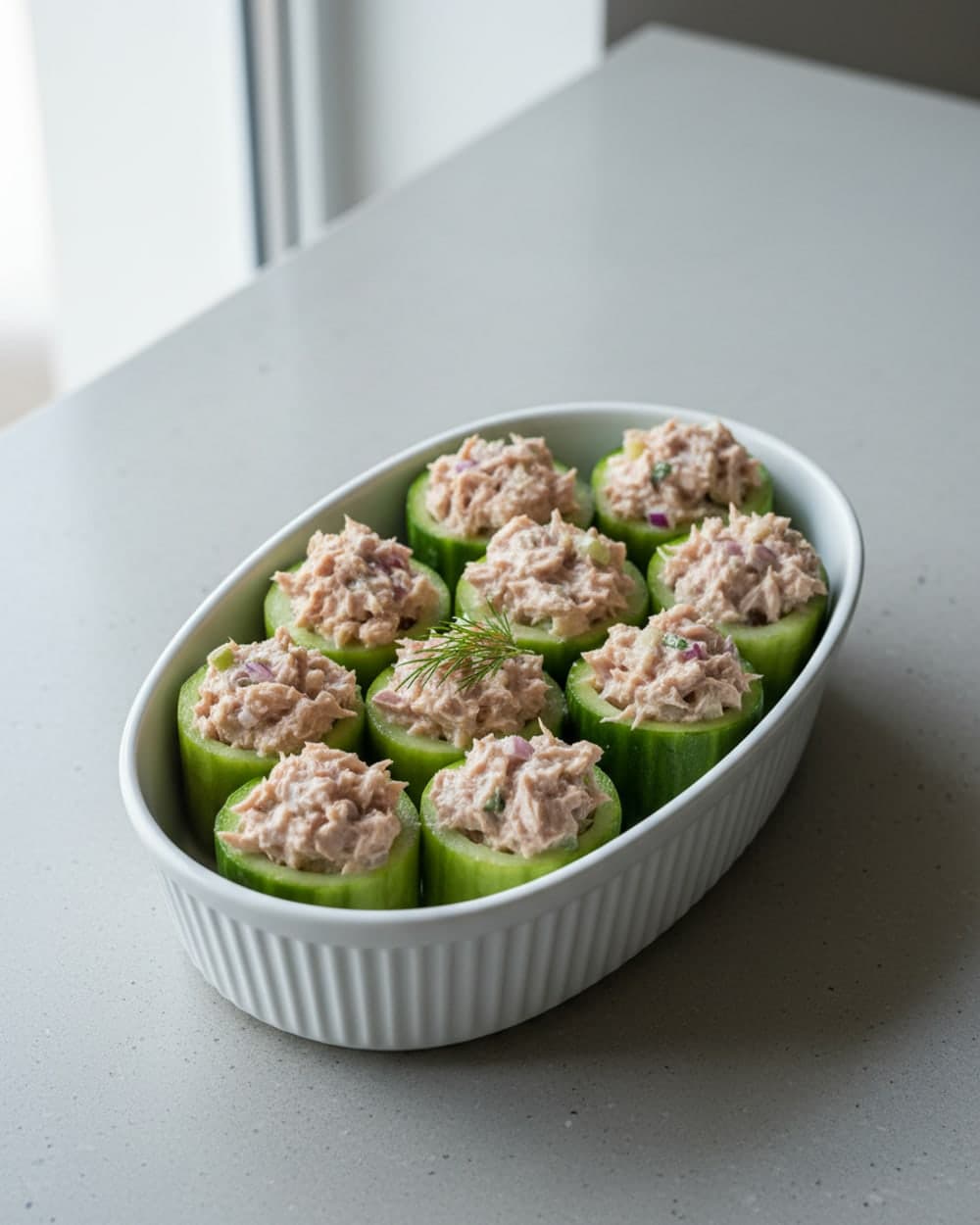
Tuna Cucumber Boats
Tuna and cucumber make a no-cook lunch structure that does not depend on bread or crackers. Mix the filling with a measured binder, then spoon it into halved cucumbers just before eating for the cleanest texture. White beans are optional but will change the carbohydrate total, so treat them as a planned addition rather than a default. Pack the tuna filling and cucumbers separately if you are assembling lunch away from home.
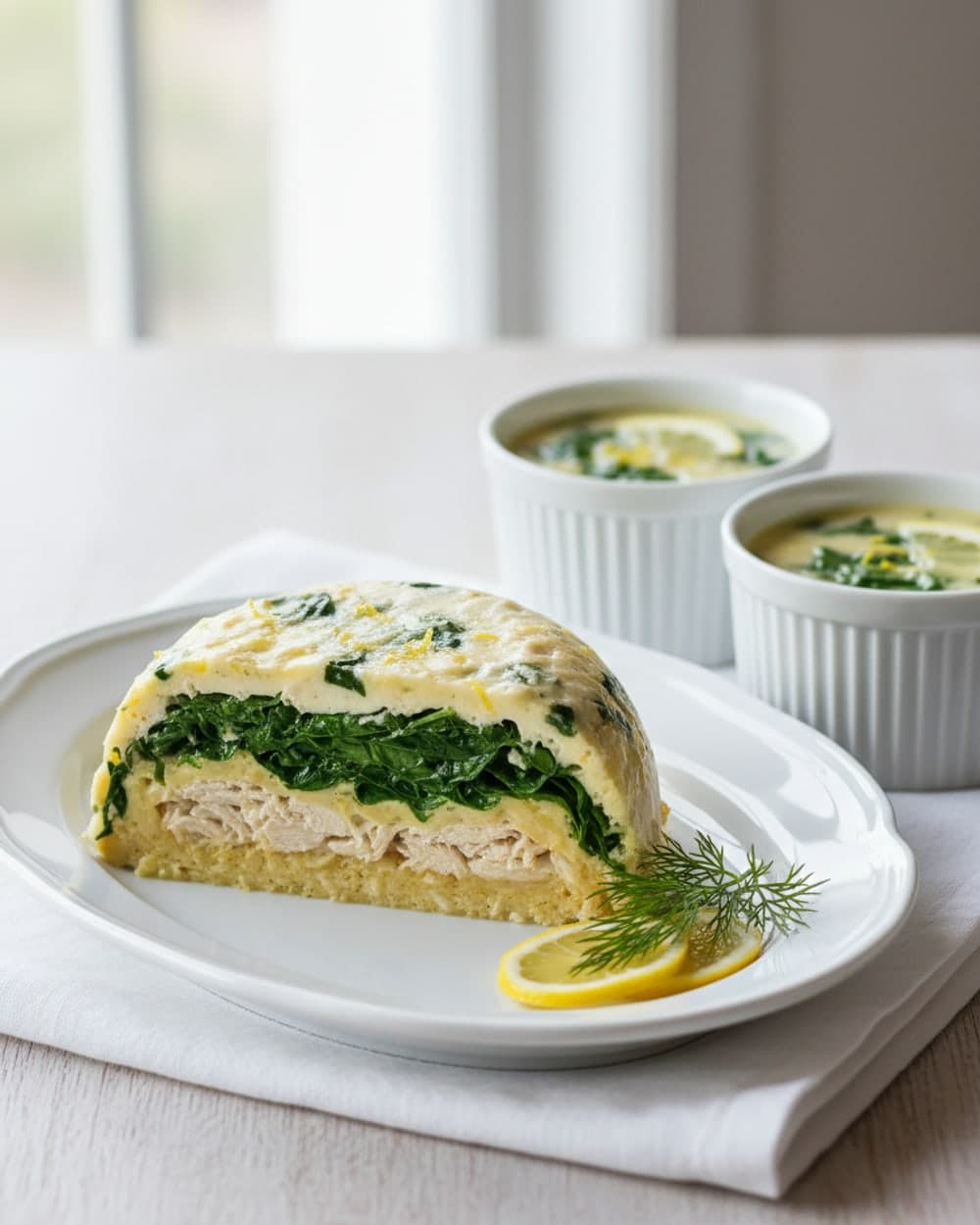
Chicken Spinach Lemon Soup
Chicken, spinach, and lemon make a bright soup that can replace heavier bowl meals in a weekly plan. Add spinach near the end so it stays green and does not dominate the broth. If using a prepared stock, compare labels before deciding how it fits your carbohydrate target. Serve the soup with a spoonful of yogurt or grated parmesan only when those additions match the totals you are tracking that day.
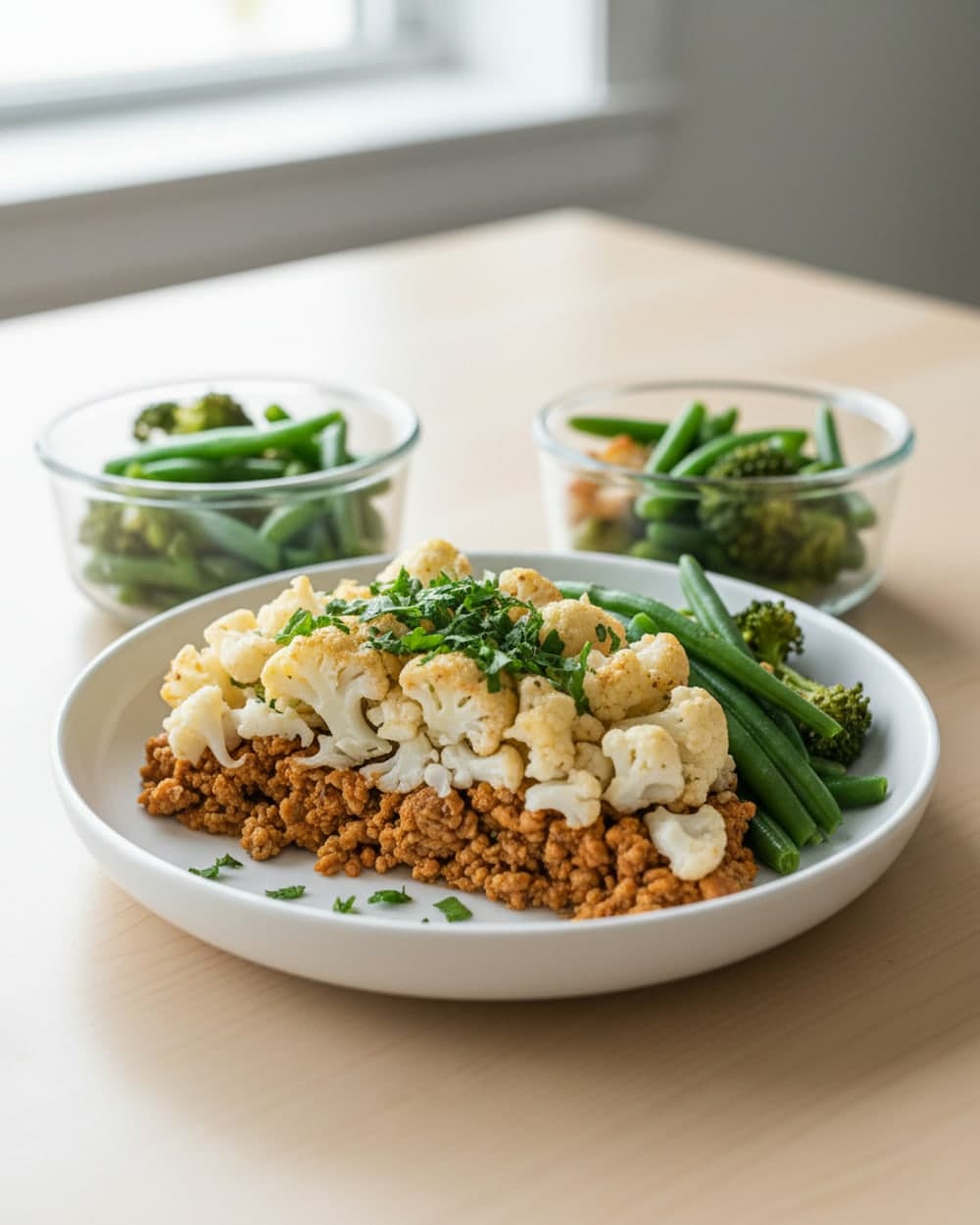
Turkey Cauliflower Meal-Prep Bowls
Roasted turkey and cauliflower form the base for containers that can be varied with herbs, salsa, or crisp vegetables. Keep wet toppings in separate small containers to control the final bowl composition. A weighed cauliflower portion is useful if you are comparing lunches across several days. This format also makes it easy to reserve one component for dinner, then pack the rest for workday meals on a regular weekly schedule at home.
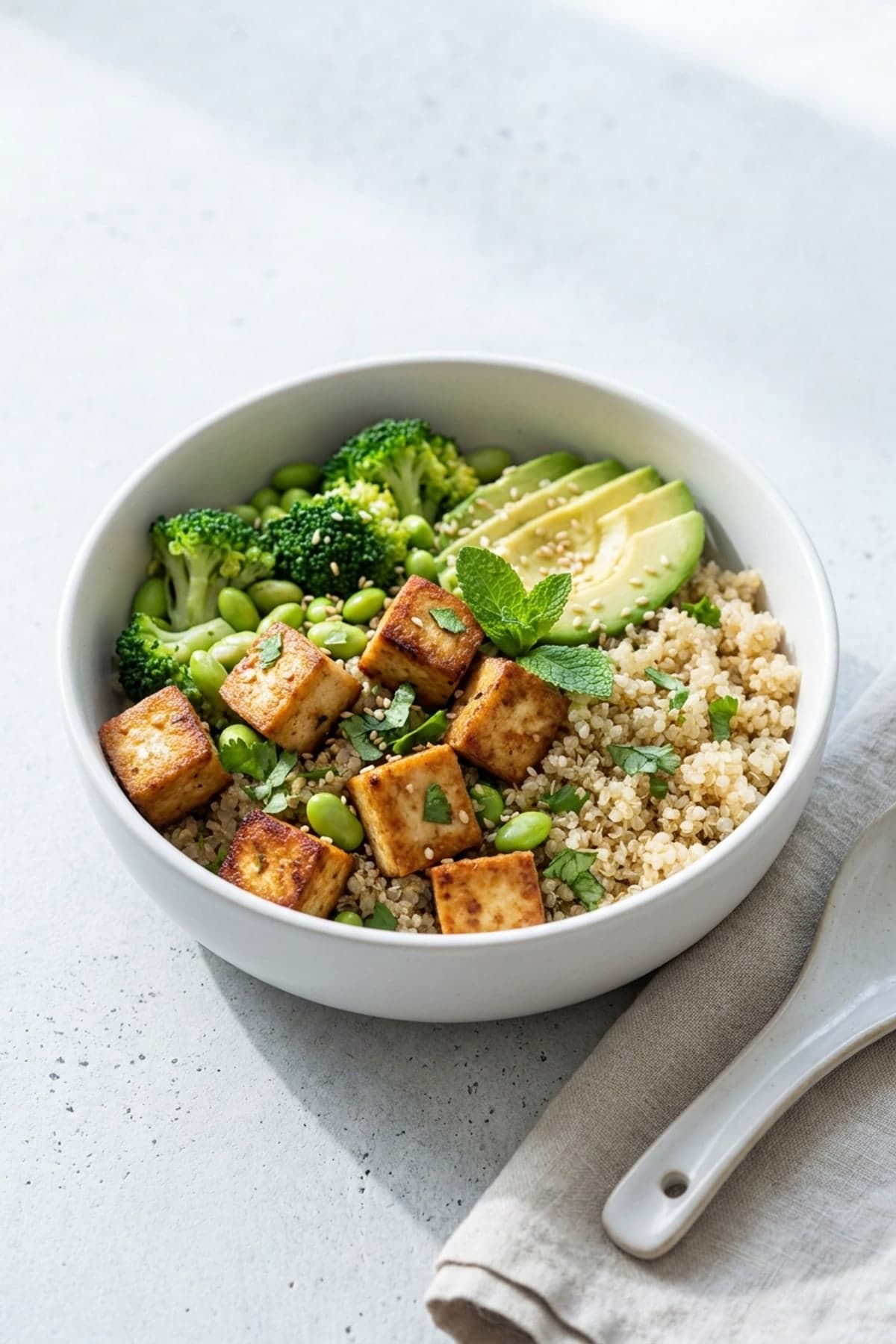
Crispy Tofu Quinoa Bowls
Tofu bowls bring a plant-based option to a low-carb list, but quinoa is the component that needs an intentional portion. Crisp the tofu separately so it remains distinct beside vegetables and sauce. Use cauliflower rice in place of quinoa when you want a lower-carbohydrate bowl, accepting a different texture and flavor. Keep the sauce measured, because it ties the bowl together while often carrying the most variable label information for planning.
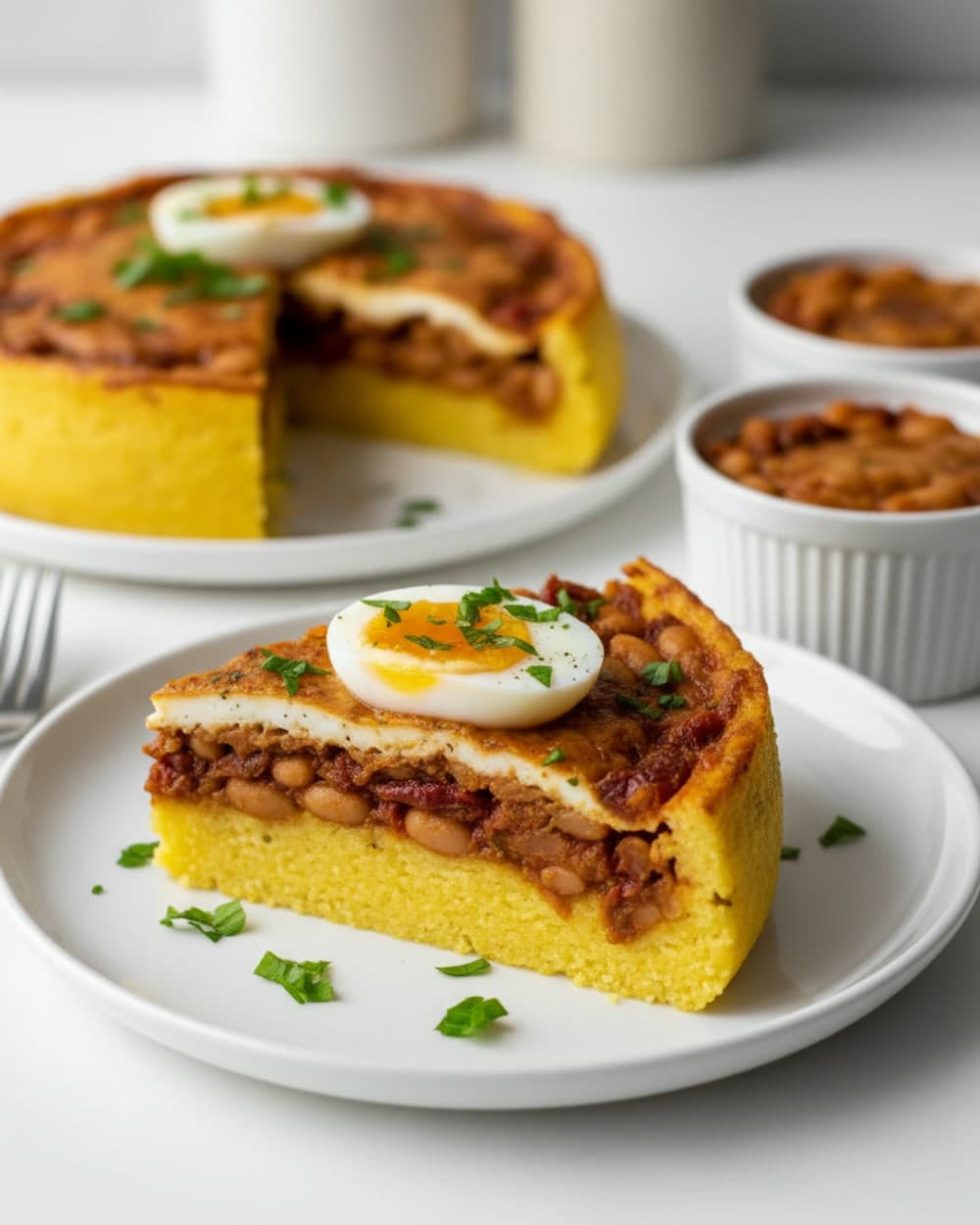
Polenta Beans and Eggs
Polenta, beans, and eggs make a vegetarian skillet with contrasting textures, but the first two ingredients require planned portions. Cook the eggs to your preferred firmness, then spoon them over the warm base. This dish fits a flexible household menu when not every plate follows the same carbohydrate target. For a lower-carb trade-off, use sautéed greens beneath the eggs instead of polenta and beans to change the bowl structure substantially today.
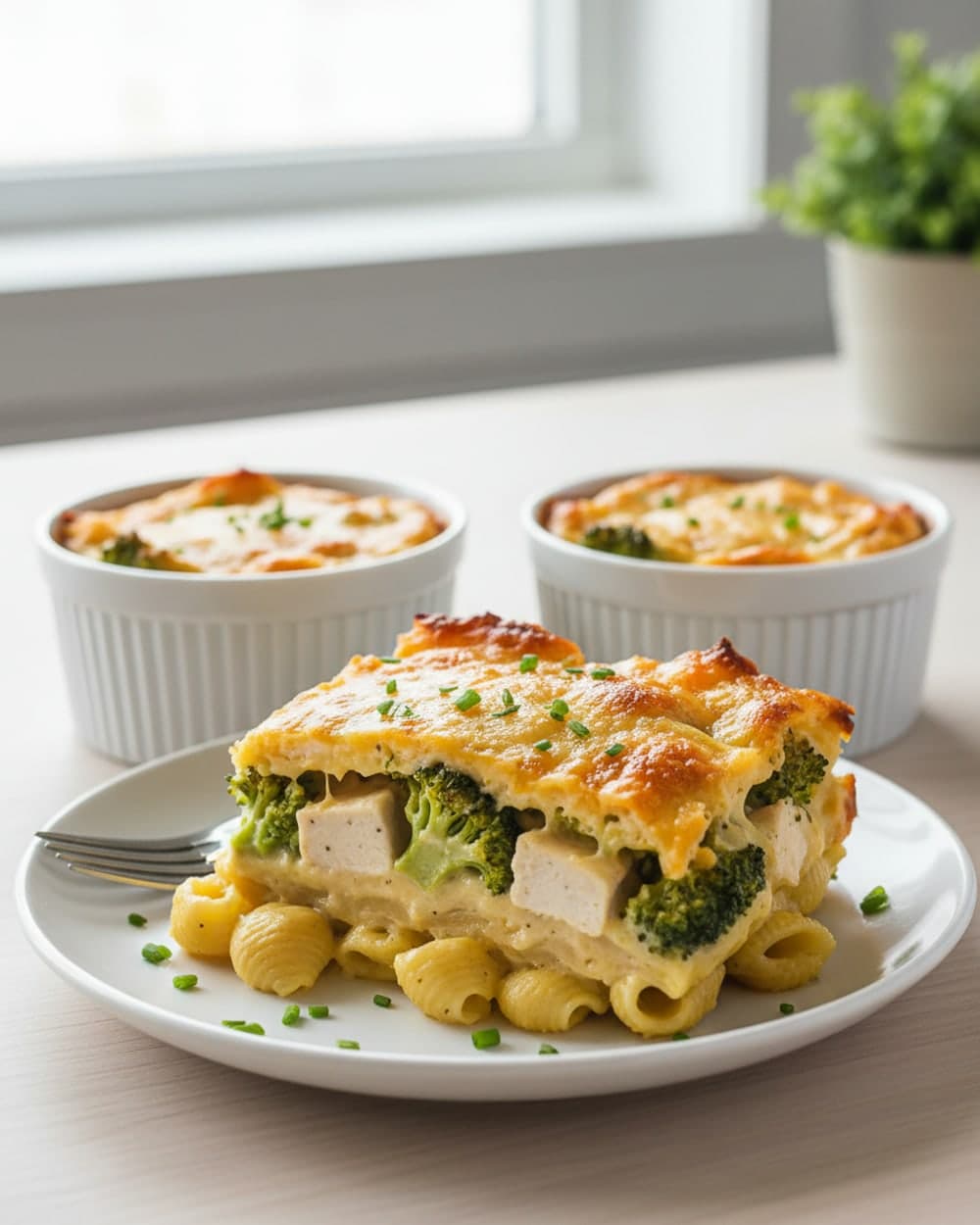
Broccoli Cheddar Chicken Bake
Broccoli, chicken, and cheddar make a familiar baked dinner with a clear vegetable base. Chop the broccoli evenly and distribute the chicken throughout the dish before adding the cheese. The casserole format helps when you want one pan that can be portioned after baking. Use a measured sauce or dairy component, then check the product label if you are recording carbohydrate totals for the finished meal in a meal planner later.
Before you go
Save this list beside your grocery plan, then choose two skillet meals, one soup, and one bake before the week starts. That mix gives you different textures without requiring a new set of specialty ingredients every night. When labels change or a new product enters the kitchen, recalculate that dish before logging it. Return to the recipes with portions and make the rotation fit schedule.
Save this for later
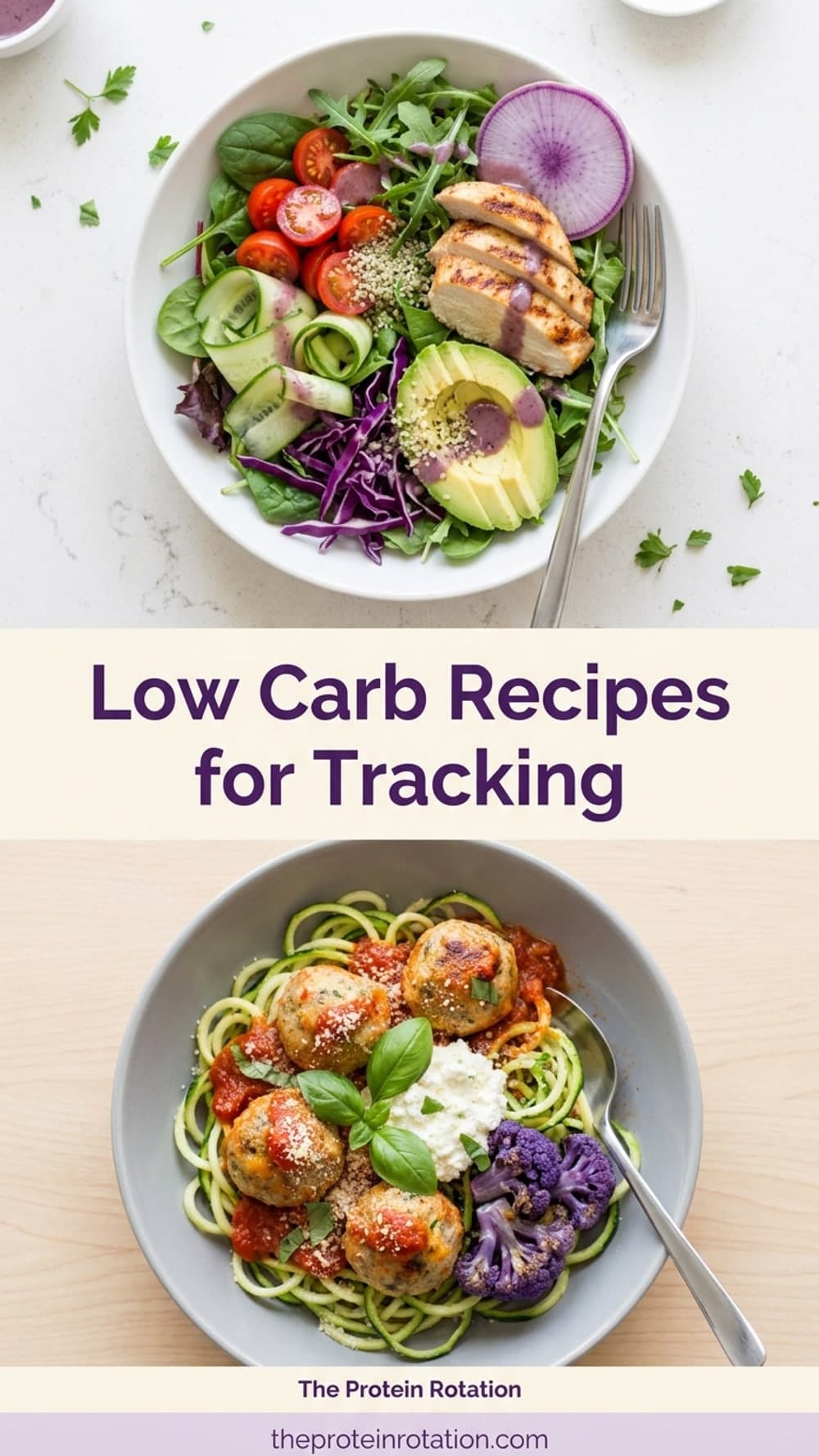
Low Carb Recipes for Tracking
Tags
- low-carb-recipes
- carb-tracking
- low-carb-dinners
- meal-planning
Sources
- Chicken and all poultry is done at a safe minimum internal temperature of 165°F measured with a food thermometer.Chicken from Farm to Table | Food Safety and Inspection Service
- Eggs and dishes containing eggs should be cooked until yolks and whites are firm or to 160°F, and kept refrigerated at 40°F or colder.What You Need to Know About Egg Safety | FDA
Read next
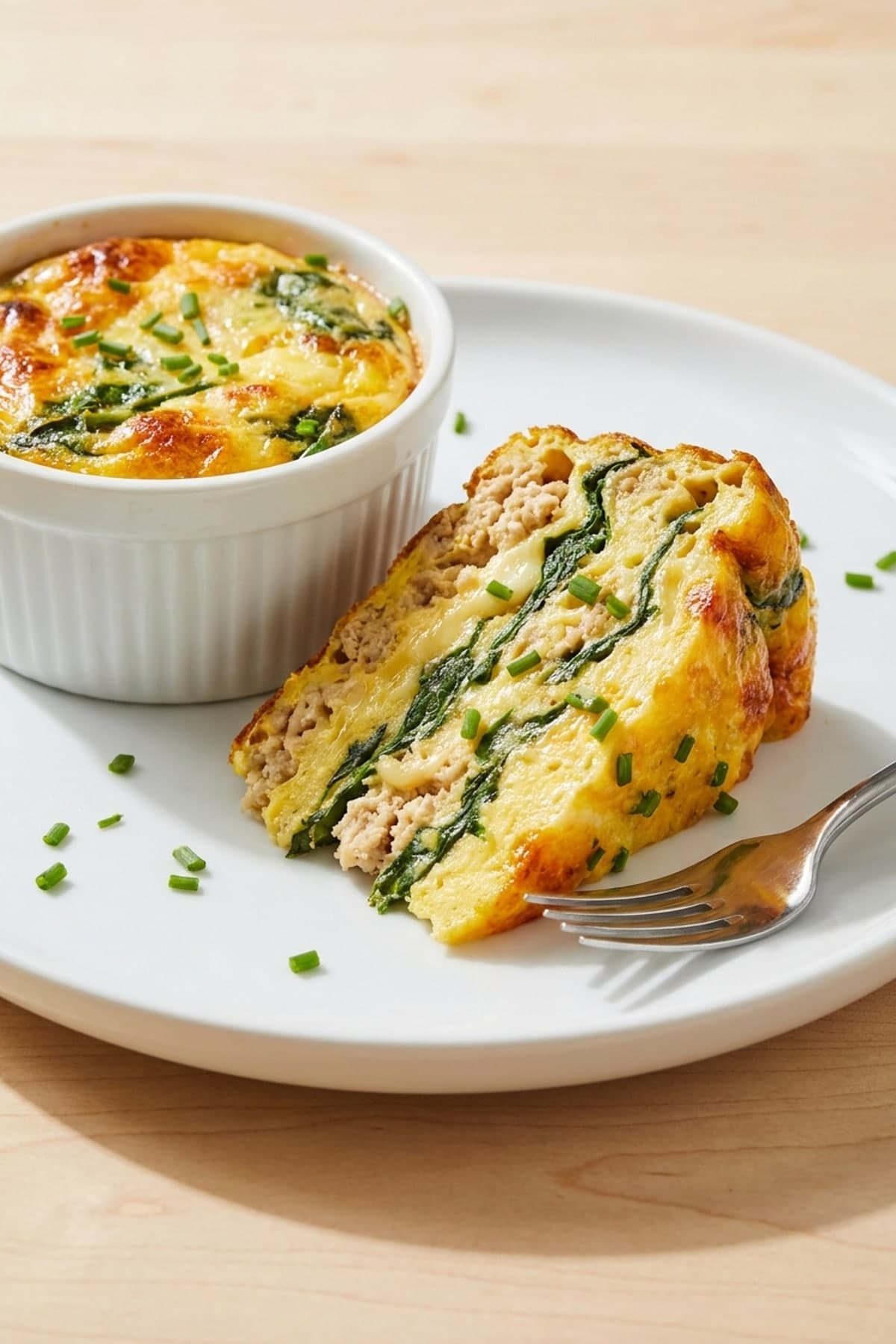
Low Carb
High Protein Low Carb Recipes for Clear Macro Logging
Plan high protein low carb recipes with sixteen practical formats, ingredient-weight guidance, and clear methods for logging your own macros.
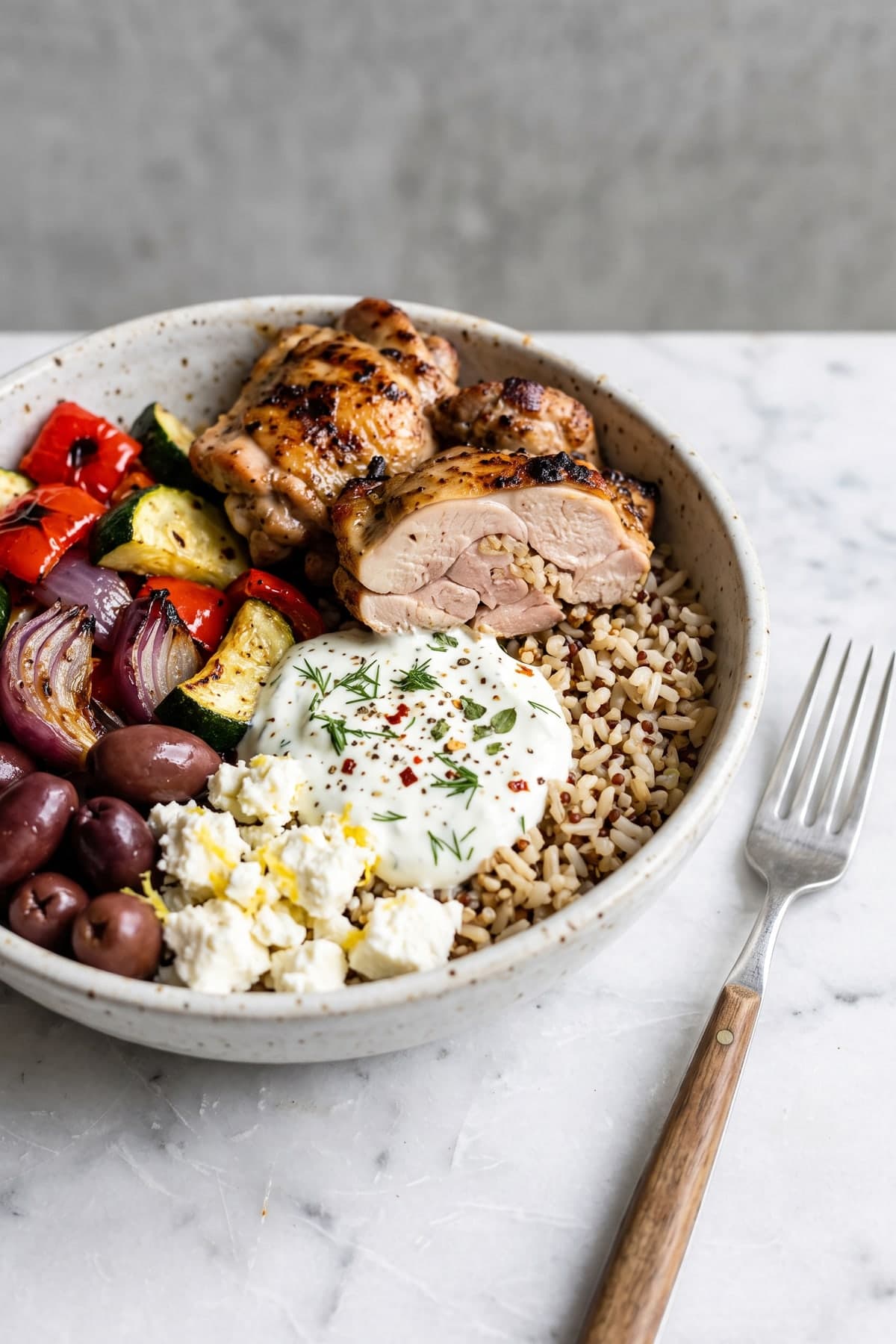
Meal Prep
- Low-carb
Low Carb Meal Prep: Roast Four Greek Chicken Boxes
45 min total4 servings44.5g protein465 kcal
Roast Greek chicken, peppers, zucchini, and red onion, then pack four low-carb meal-prep boxes with lemon feta yogurt sauce.
Low Carb
- One pan
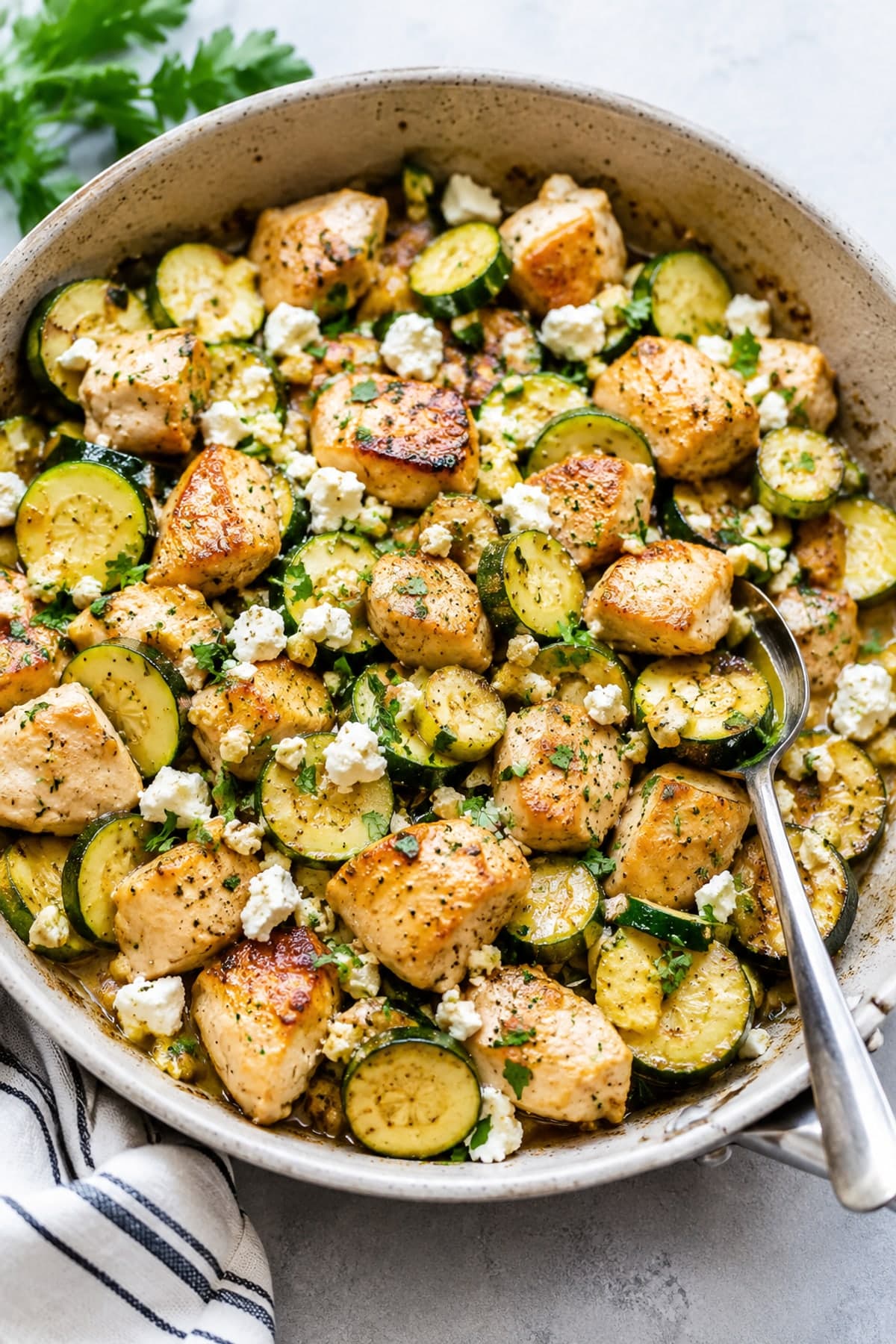
Healthy Low Carb Recipes: Chicken Zucchini Feta Skillet
35 min totalServes 438.2g protein356 kcal
A healthy low carb chicken, zucchini, pepper, and feta skillet with direct seasoning, crisp-tender vegetables, and practical leftovers.
Low Carb
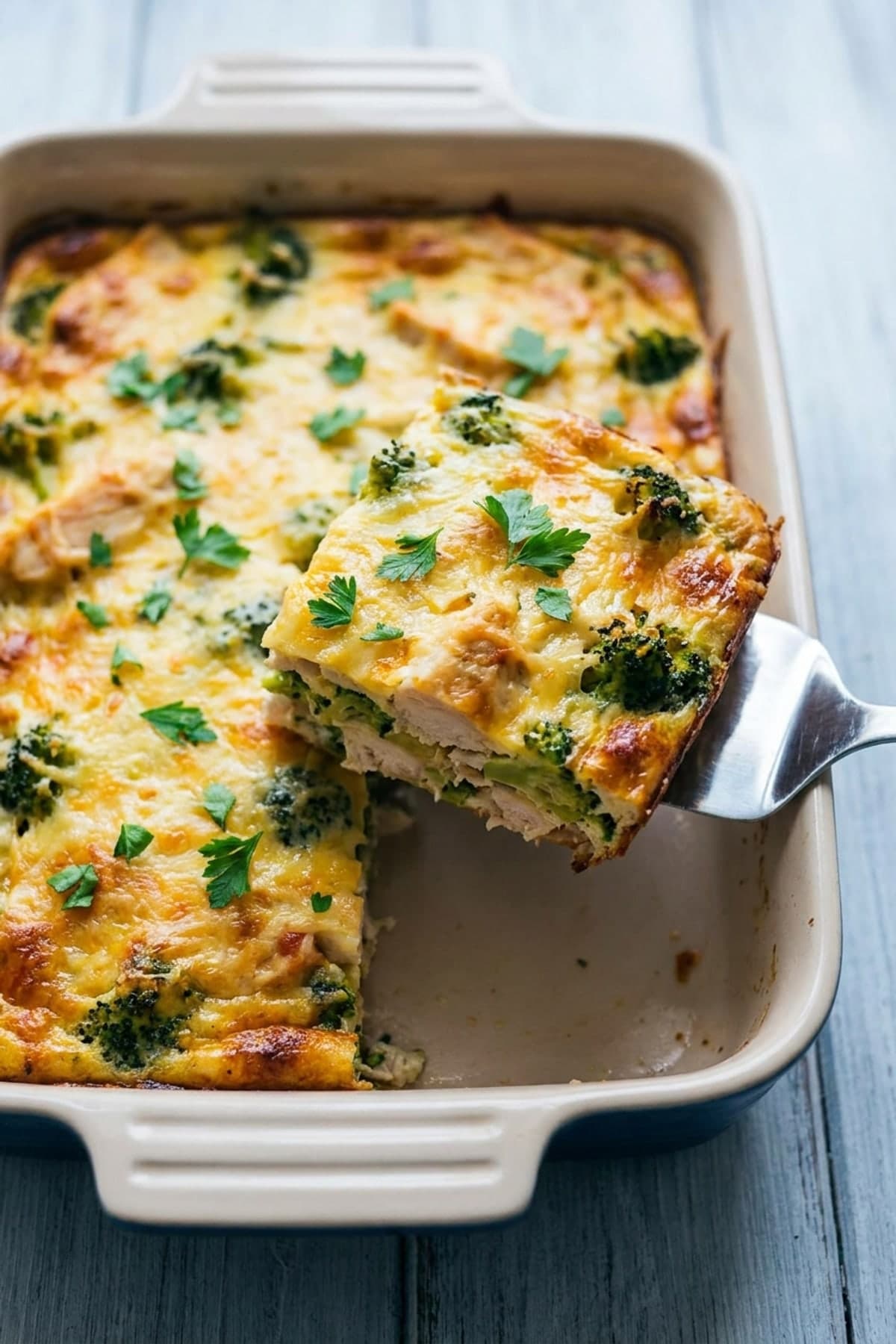
Low Carb Chicken Recipes for Dinner: 15 Options
Plan low carb chicken dinners with skillet meals, casseroles, air-fryer options, and slow-cooker recipes for your weekly menu.
Low Carb
- High-protein
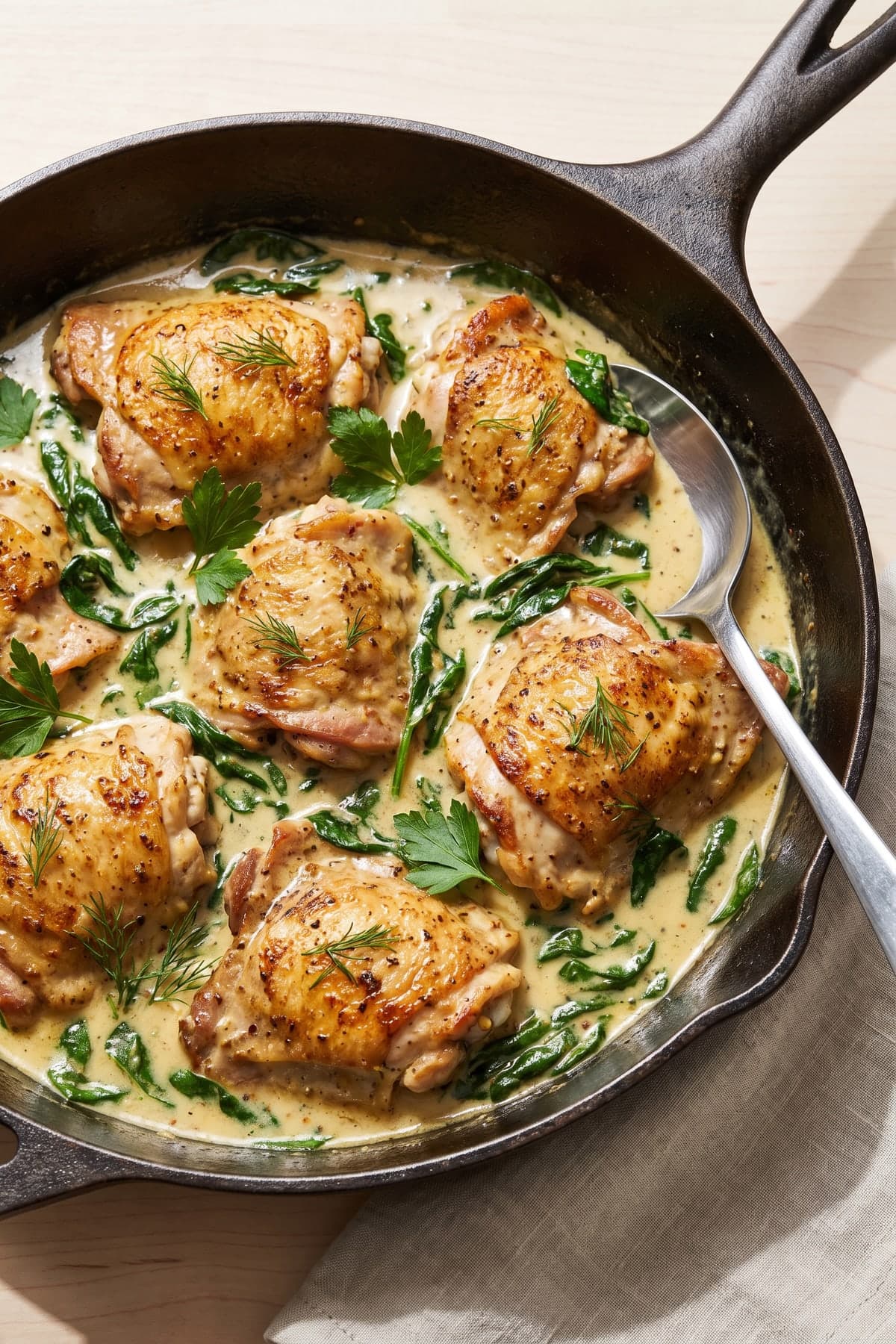
Low Carb Chicken Recipes: Mustard Spinach Skillet
40 min total4 servings57.8g protein603 kcal
Make this low carb chicken recipe with seared chicken cutlets, creamy Dijon sauce, Parmesan, and spinach in one skillet.
Low Carb
- Slow cooker
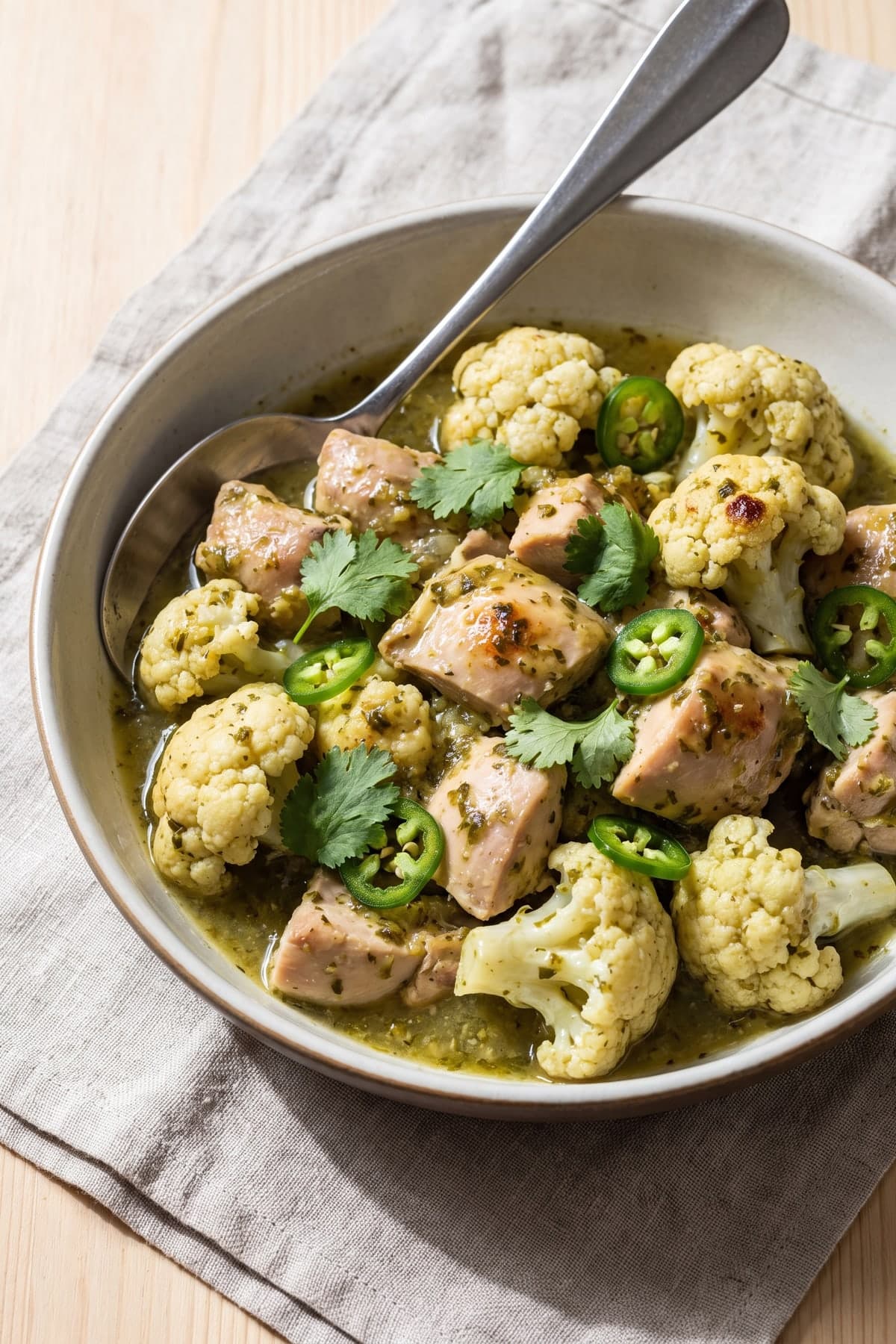
Low Carb High Protein Crockpot Recipes: Chicken Verde
4 hr 45 min total6 servings33.6g protein277 kcal
Make slow cooker chicken verde with thighs, salsa verde, cauliflower, and peppers for a structured low-carb dinner with simple prep.